‘Mank’ VFX: ‘Body-and-Fender’ Work and So Much More

Behind Mank‘s Invisible Visual Effects

Ian Failes
December 14, 2020
befores & afters

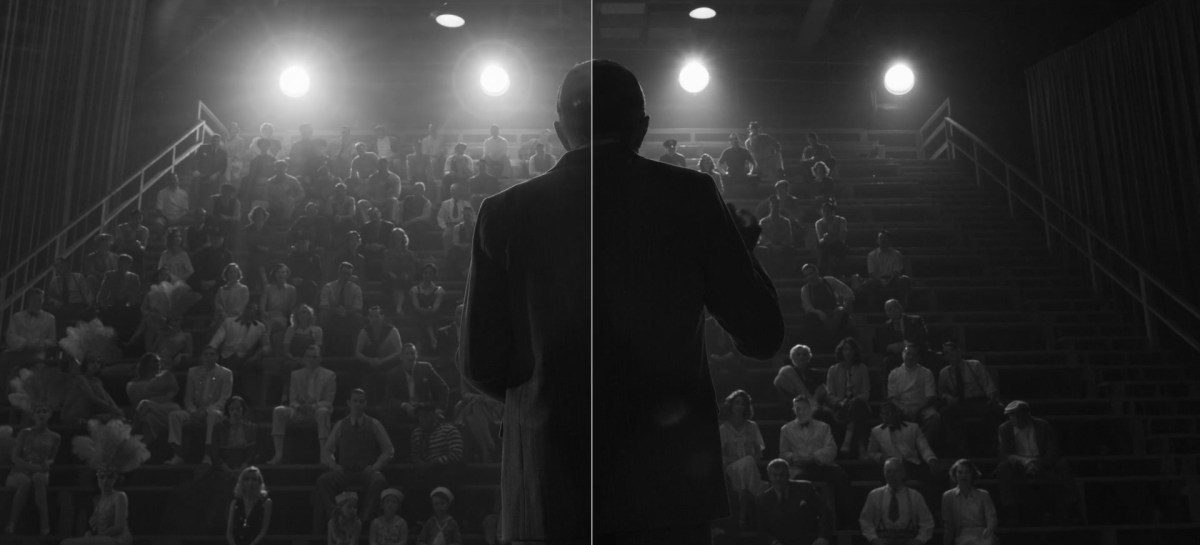
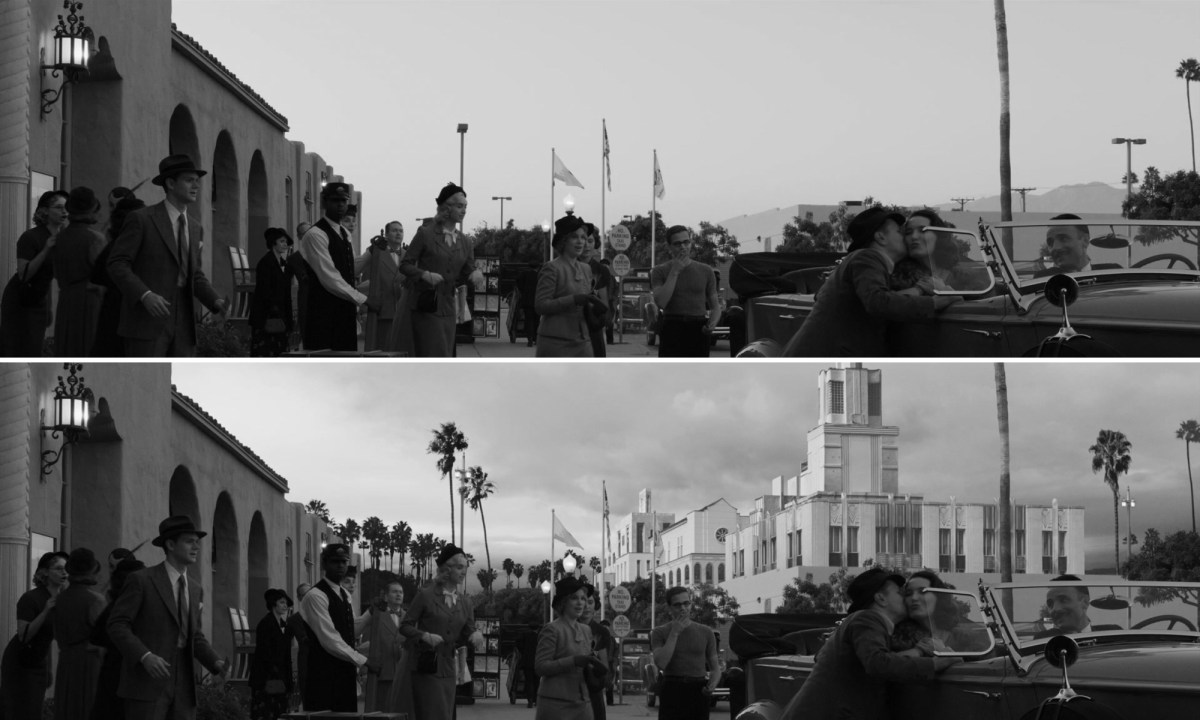
I recently had the chance to ask Territory Studio about their visual effects work for Mank, which involved the re-creation of Wilshire Blvd from the 1930s. Like those shots, so much of Mank’s VFX work was invisible, involving subtle augmentations to tell the period story.

Overseeing these visual effects shots was director David Fincher himself, alongside co-producer Peter Mavromates, and the film’s art department. Fincher and Mavromates co-ordinated an outside effort, also, led by four VFX supervisors at different studios: Artemple (Wei Zheng), Territory Studio (Simon Carr), Savage (John Pastorious) and ILM (Pablo Helman).

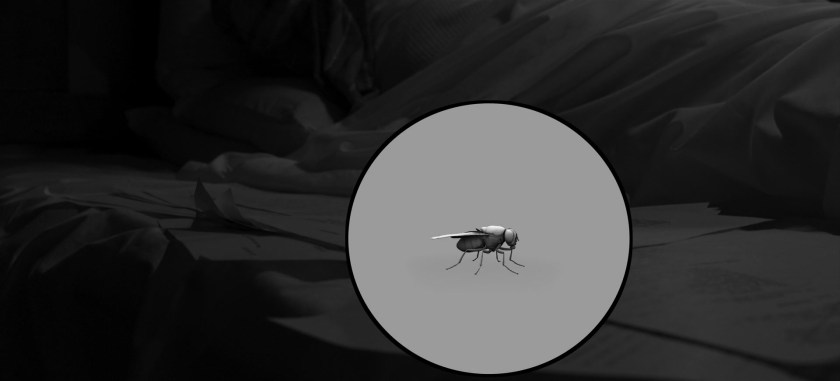
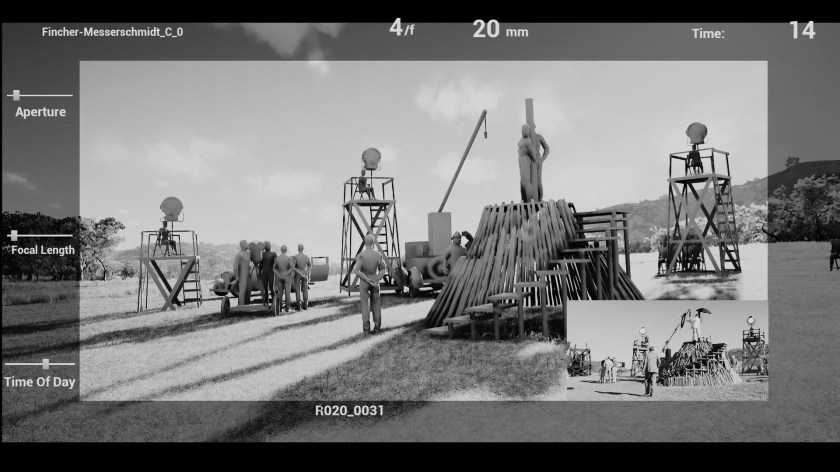
In this befores & afters conversation, Mavromates discusses the various VFX work—from sky replacements to matte paintings, to CG animals and what he calls ‘body-and-fender’ shots—that helped tell Mank’s tale.

Read the full interview
Art Of The Cut Podcast: “Mank” First Assistant Editor Ben Insler

Steve Hullfish (Twitter)
December 9, 2020
Art Of The Cut Podcast (ProVideo Coalition)

The Art of the Cut podcast brings the fantastic conversations that Steve Hullfish has with world renowned editors into your car, living room, editing suite and beyond. In each episode, Steve talks with editors ranging from emerging stars to Oscar and Emmy winners. Hear from the top editors of today about their careers, editing workflows and about their work on some of the biggest films and TV shows of the year.

On this episode of the Art of the Cut Podcast, Steve talks with editor Ben Insler about his work on the new Netflix Film “Mank.” Ben has edited multiple series including the Netflix series “Mindhunter.” In this episode Steve dives deep into the work flows and technology used to cut this film including the challenges of finishing a film remotely due to COVID-19.

On a future episode, Steve will also be talking with editor Kirk Baxter about leading the “Mank” editing team. Make sure to keep a look out for that episode!

This episode of the Art of the Cut Podcast is brought to you by Filmtools.com, Hollywood’s trusted one-stop shop for all things production and post.

Want to read/ listen to more interviews from Steve Hullfish? Check out The Art of the Cut Archive for more than 200 interviews with some of the top film and TV editors of today!

The Art of the Cut podcast is available on:

ProVideo Coalition
Apple Podcasts
Spotify
Anchor
Google Podcasts
Breaker
Pocket Casts
Overcast
Radio Public

If you like the podcast, make sure to subscribe so you don’t miss future episodes and tell an editor friend.

Read the transcription of this interview:

ART OF THE CUT on the workflows and methods for editing “Mank”

Steve Hullfish
December 9, 2020
ProVideo Coalition

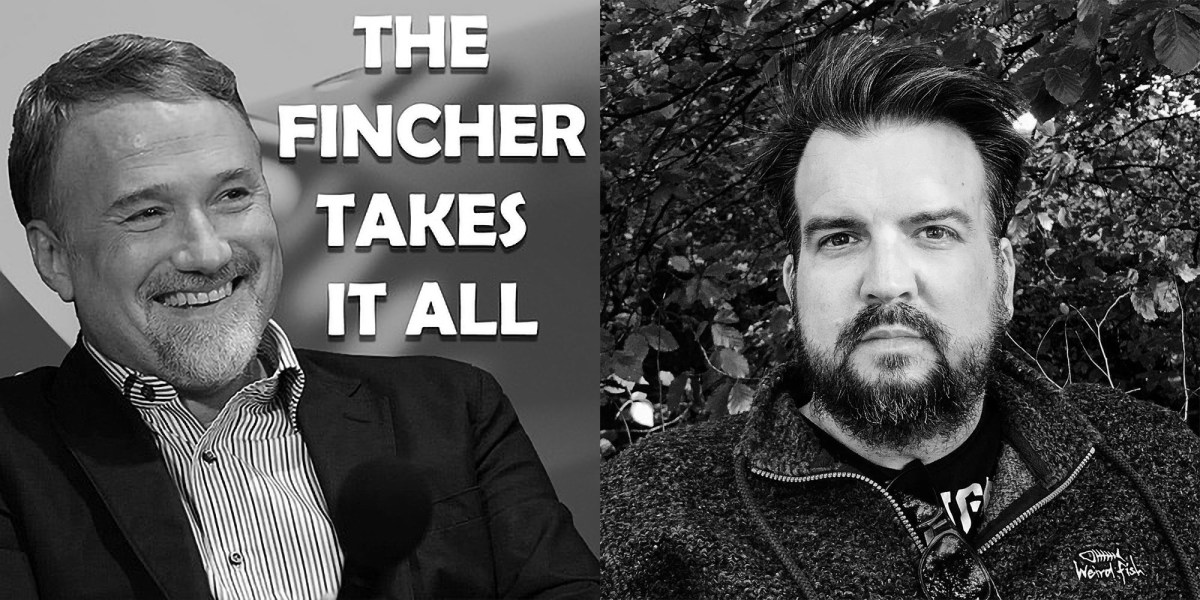
The Fincher Takes It All: Mank with Nev Pierce

The Fincher Takes It All is a limited series podcast reflecting on and celebrating the filmography of director David Fincher ahead of the release of his next film, Mank.

Emily Murray
December 9, 2020
The Fincher Takes It All

Film journalist and filmmaker Nev Pierce joins me to discuss Mank, David Fincher’s latest film which is now available to watch on Netflix and in select cinemas.

Following screenwriter Herman J. Mankiewicz as he races to finish the screenplay for Citizen Kane, the film takes a look at Hollywood and politics.

Me and Nev discuss the film’s analysis of Hollywood liberalism, what it has to say about the idea of the auteur, how Fincher made it feel like an old classic and whether it really does have anything to do with Citizen Kane.

Listen to the complete podcast series

The People Who Can See Inside David Fincher’s Head

The famously meticulous Mank director is surrounded by collaborators tasked with turning his most ambitious ideas into reality.

David Sims
December 9, 2020
The Atlantic

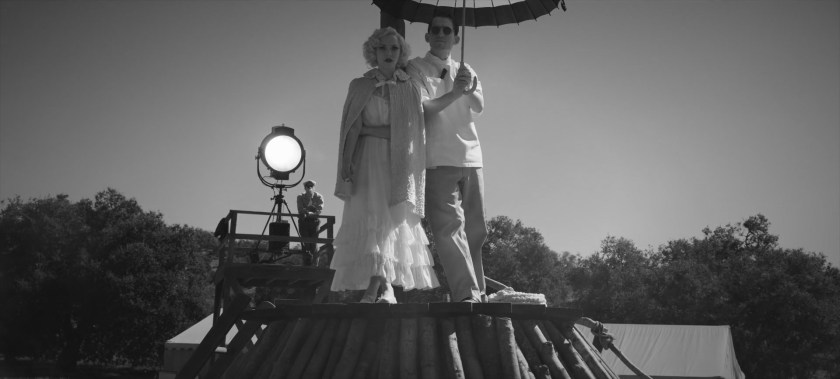
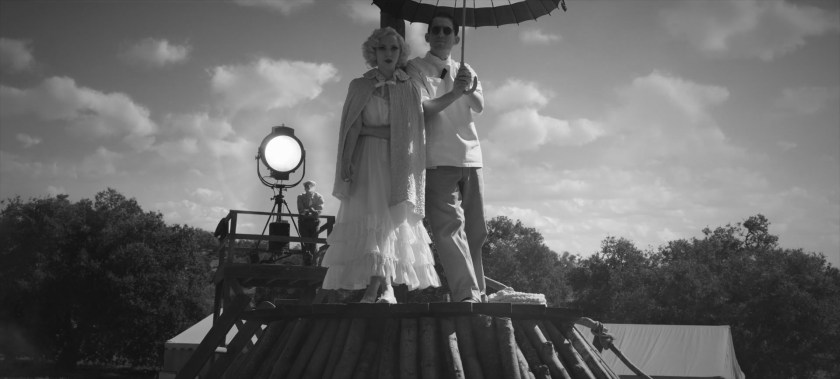
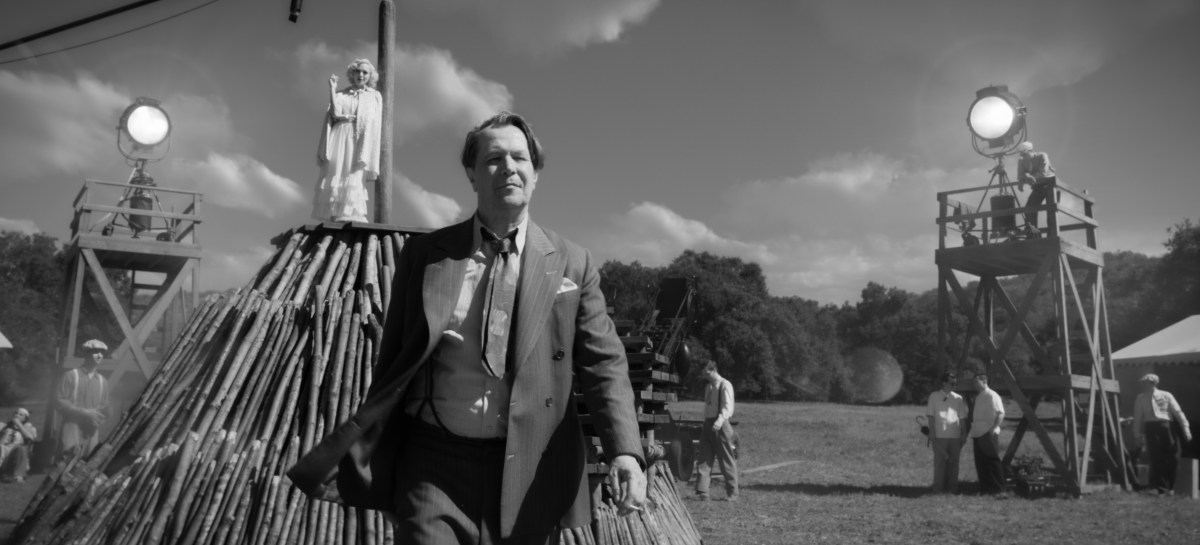
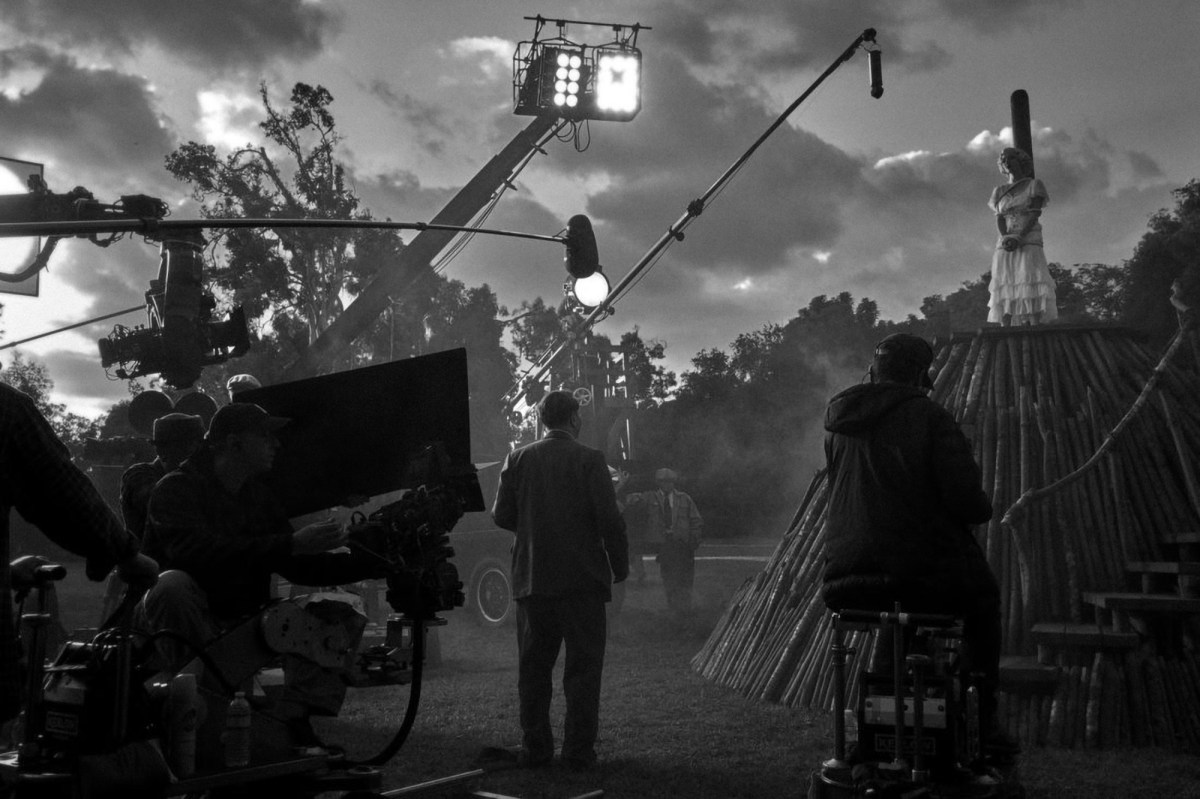
Early in Netflix’s Mank, the screenwriter Herman J. Mankiewicz (played by Gary Oldman) ambles onto an outdoor movie set, where he bumps into an array of glamorous characters. In a scene full of repartee with real-life figures such as the actor Marion Davies, the film honcho Louis B. Mayer, and the mogul William Randolph Hearst, the visual details of the environment might seem unimportant. But to Mank’s director, David Fincher, they mattered. “The grass was not to David’s liking, and the sky was not to his liking, so all that’s been replaced,” Peter Mavromates, his co-producer, told me. When making a movie, Fincher literally controls heaven and earth.

That example sums up the capricious-sounding, godlike power of a director, especially in the age of digital filmmaking, which allows for total command of every frame. But as with all of his movies, Fincher’s vision for Mank was realized by a group of dedicated collaborators, most of whom have worked with the director for many years across projects. This film, which Fincher mulled for nearly three decades, is unlike anything he has made before. An unusual-looking-and-sounding film set in the Golden Age of Hollywood, Mank reflects the aesthetic of the 1930s with its black-and-white cinematography; an echoey, old-fashioned sound mix; and a brassy, orchestral score. But Fincher also wanted it to be a distinctly modern film, which posed many unique and fascinating technical challenges to the creators charged with bringing his lofty ideas to life.

Read the full profile

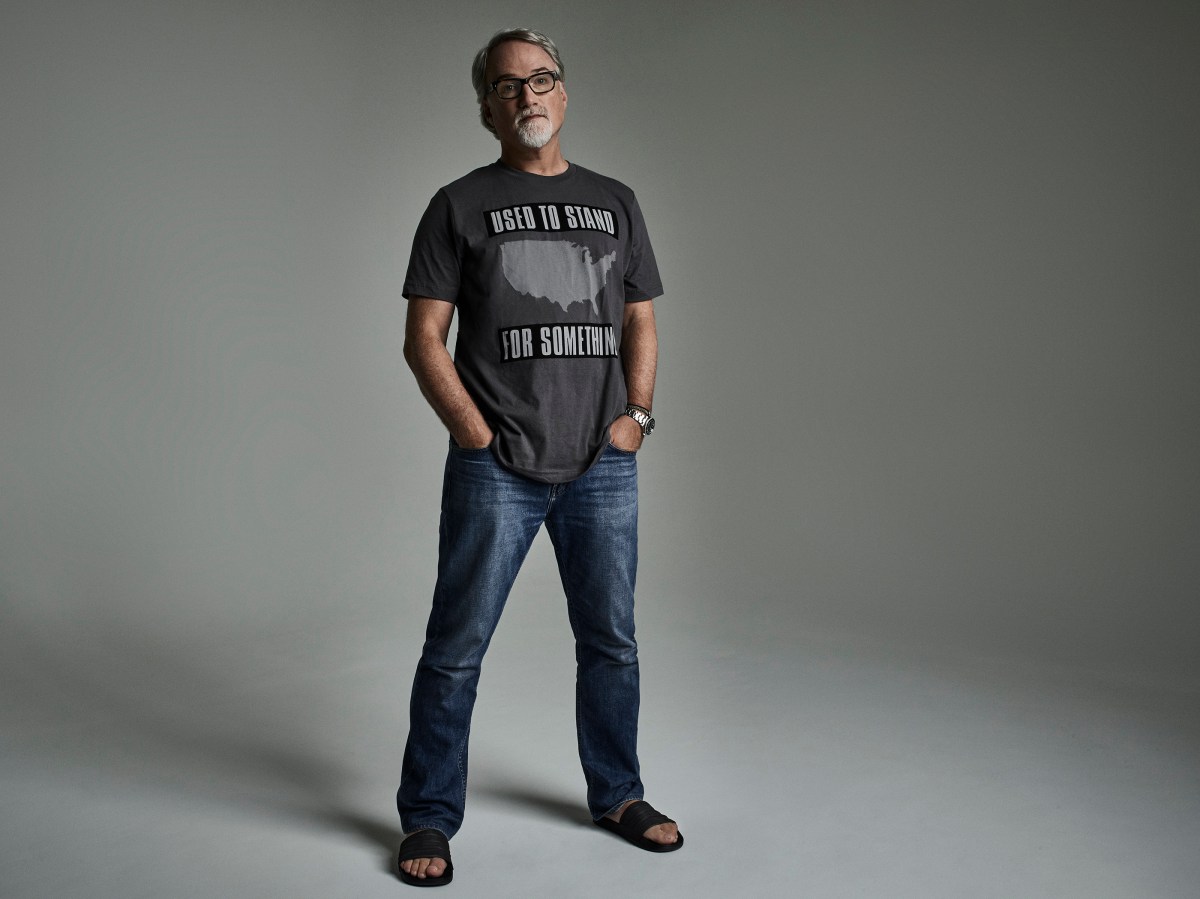
David Fincher Has Had Plenty of Hugs. Thank You

David Fincher (Frank Ockenfels / Netflix)

Glenn Whipp, Entertainment Columnist
December 4, 2020
Los Angeles Times

Jack Fincher retired from journalism right around the time his son, David, was moving from directing music videos for the likes of Madonna and George Michael to making his first feature film, “Alien 3.” Jack, a lifelong movie fan, told David he’d like to try writing a screenplay. David encouraged him to delve into the story of Herman Mankiewicz, the co-writer (or, perhaps, sole writer) of Orson Welles’ 1941 landmark “Citizen Kane.” Jack wrote eight drafts of the screenplay, homing in on the journey of the self-sabotaging Mankiewicz as he stops betraying his talents and paints his one masterpiece (relatively) late in life.

Father and son could never quite crack the script, and Jack died in 2003 of pancreatic cancer. Those eight drafts of “Mank” sat on a shelf in David’s office for years until Netflix executives Ted Sarandos and Cindy Holland asked Fincher about his dream unmade project. That was two years ago, and “Mank” has consumed most of Fincher’s waking hours since.

The black-and-white movie, starring Gary Oldman in the title role, premiered in a handful of theaters last month and arrives on Netflix today. It figures to be a force in this year’s awards season, such as it is. It’s certainly the warmest movie Fincher has made in a career founded on the notion that “people are perverts.”

Fincher called the other morning. He was disarmingly polite, by turns generous and evasive, and full of the sardonic humor that courses through his films. “I’m a little groggy,” he said, noting that he didn’t get much sleep the previous night, “but hopefully I know the answers to these questions.”

Read the full interview
Territory Studio: The LED Rear Projection VFX for Mank

Territory Studio travels back to the golden era of 1930s Hollywood, delving into the development of ‘Citizen Kane’ in David Fincher’s ‘Mank‘.

December 9, 2020
Territory Studio

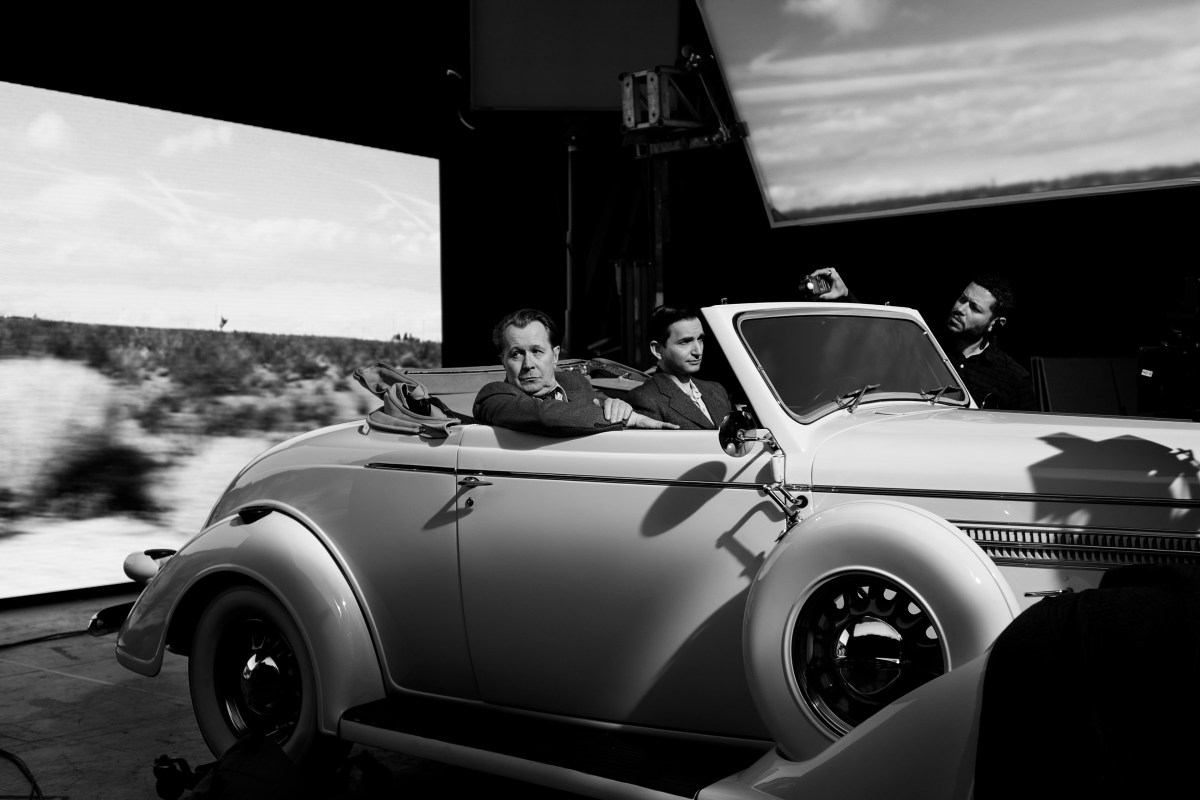
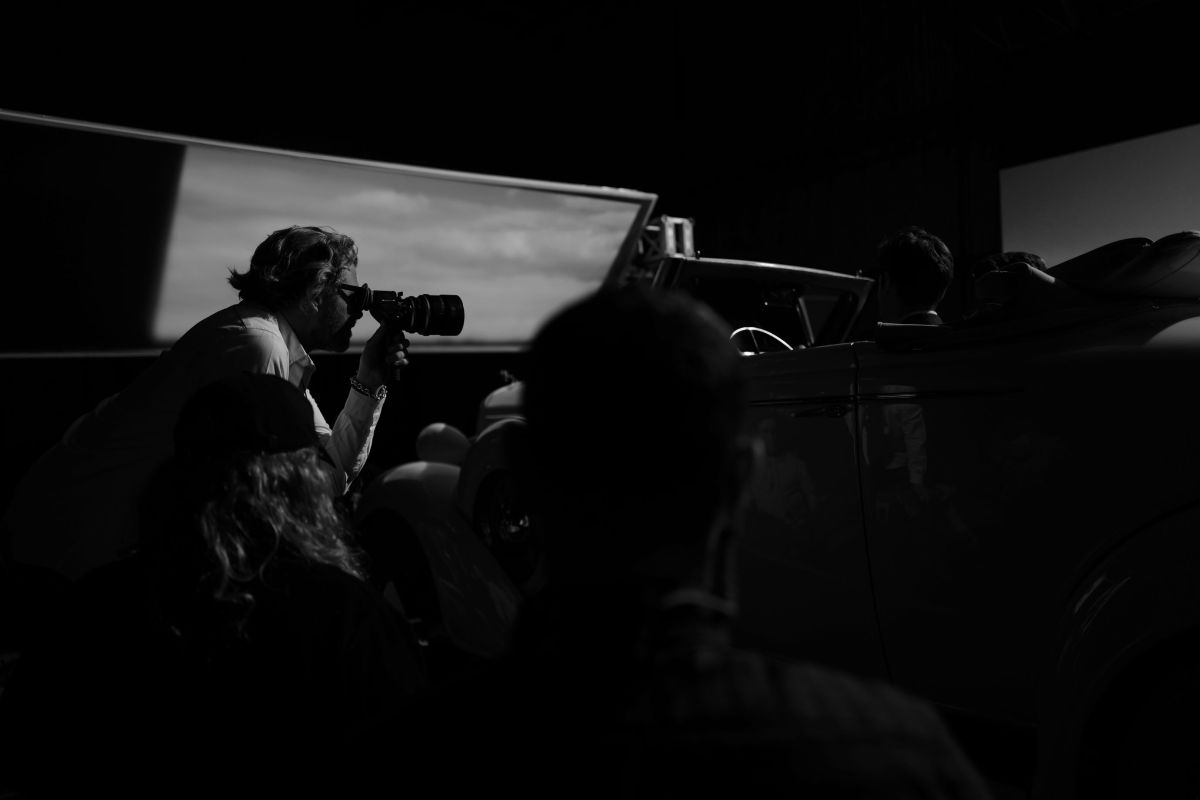
The brief was to recreate a section of 1930s Wilshire Boulevard to play on an LED rear projection behind Mank and his wife Sara. Authenticity was key, we wanted to ensure this recreation blended into the background seamlessly and convincingly. The final sequence feels very much as David described in our initial brief: “We’re making a 1930s style film with rear projection, but with the very latest digital technology we’ve been able to improve upon it and transport the audience back to Hollywood’s golden era.”

Simon Carr, VFX Supervisor at Territory Studio:

“It was a great privilege to work on such a visually stunning movie for an eminent director, and to be able to dive into recreating the period details of 1930’s Wilshire Boulevard. To see the sequence come together in-camera as a perfect blend of old style and new technique is the essence of how VFX should be used.”

Read the full case study

‘Mank’: Inside the World of a Synthetic LA and LED Screens

Ian Failes
December 10, 2020
befores & afters

Territory recreates Wilshire Boulevard for Mank

Jon Creamer
December 11, 2020
Televisual

A Drive Down Wilshire Blvd., ca. 1935

X2X: Glimpse into Future Filmmaking with Mank

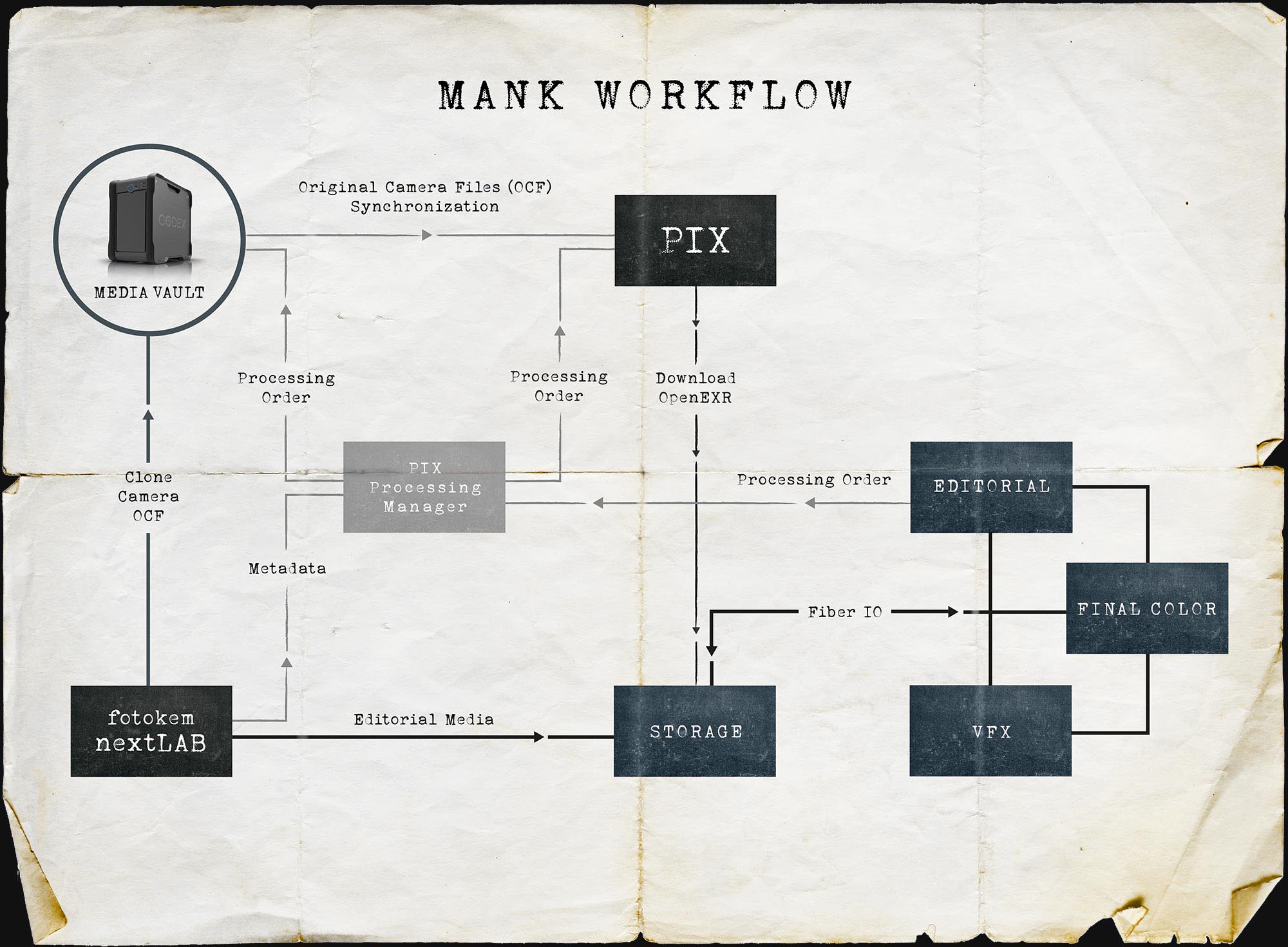
How will filmmaking adapt in the post-Covid era? A glimpse into the future is afforded by Mank, the forthcoming Netflix feature project directed by David Fincher and spearheaded by producer Ceán Chaffin. More than a love letter to a catalog title, Mank is a glimpse of the complex interplay of human creativity and the filmmaking process as practiced in Hollywood’s golden era.

December 9, 2020
X2X

Fincher is known for working in the vanguard of filmmaking technology. Examples include a very early digital intermediate on Panic Room – the first ever in a facility designed for the purpose – and Zodiac, one of the first major features to be shot almost entirely digitally. The remote collaboration envisioned by futurists at the dawn of the internet era was already common practice for his team long before the pandemic.

“Fortunately, we have not missed a beat,” says Chaffin. “We are working now exactly how we mostly could have been working the past ten years, which is working from home during post.”

But the virus and its requirement to remain physically apart may constitute a final push for the industry at large. All the attributes of true remote connectivity – reduced travel time and its attendant benefits in terms of stress, pollution and time savings, enhanced with rapid feedback, superior organization and a centralized database – will still be applicable when health concerns subside.

A canvas of the top pros on David Fincher’s team indicates that while the pandemic naturally raises stress levels, the need to work separately has been essentially a non-factor in terms of their ability to collaborate efficiently and keep the production on track.

Fincher came to the project with a mandate that the production work with the PIX production hub. Chaffin, who has made nine films with Fincher, says that the system is an essential tool for collaboration and input.

“This is how we have worked for a long time.” says Chaffin. “David feels the team is making the film with him, sharing in the problem-solving. Even when we were in the same building, David was often responding exclusively through PIX. His preferences and concerns are there for everyone to refer to. You don’t have to go find that one email, or remember a comment someone made on their way out the door.

Read the full case study

‘Mank’ Cinematographer Erik Messerschmidt on Recreating 1930s Hollywood with David Fincher

The DP sheds light on why they didn’t shoot on film, shooting day-for-night, and how they shot those massive dinner party scenes.

Adam Chitwood
December 8, 2020
Collider

Shooting your first movie as a cinematographer is always a somewhat daunting prospect, but imagine your first movie is a 1930s-Hollywood set story about the writing of one of the greatest films ever made, boasting a cast of some of the best actors working today. Oh, and it’s in black-and-white. And the director? David Fincher.

That’s exactly what happened to Erik Messerschmidt, who got the call from Fincher that the director behind Zodiac, The Social Network, and Fight Club wanted him to be the cinematographer on his next film, Mank. The results? Absolutely stunning. Messerschmidt’s demeanor about the ordeal? Cool as a cucumber.

Messerschmidt first worked with Fincher as a gaffer on his 2014 film Gone Girl (an underrated entry in Fincher’s filmography, IMO) and then worked intimately with the filmmaker on the first two seasons of his Netflix series Mindhunter. Messerschmidt shot nearly every episode of Mindhunter, and in doing so developed a short-hand with Fincher. Which may be one of the reasons the director hired Messerschmidt to tackle one of his most visually ambitious films yet.

Mank takes place in Hollywood throughout the 1930s as it follows screenwriter Herman J. Mankiewicz (Gary Oldman) and the process by which he wrote the first draft for what would become Citizen Kane. The film alternates between Mank’s writing process and his trials and tribulations in Hollywood that would inspire some of the characters and situations in Citizen Kane, including a kinship with actress Marion Davies (Amanda Seyfried) and an association with publishing magnate William Randolph Hearst (Charles Dance).

Mank is alternately jubilant and melancholic as it essentially tells the story of a talented, fun-loving writer with a knack for zingers who is somewhat changed by what he sees throughout the 1930s, and shoots his shot when Orson Welles comes a-calling.

The film is presented entirely in black-and-white with visual allusions to Citizen Kane’s groundbreaking cinematography, and when I recently got the chance to speak with Messerschmidt at length about his work on the film, he pulled back the curtain on the process through which he and Fincher brought this story to life in living monochrome.

During our 45-minute conversation, the cinematographer explained why he and Fincher never considered shooting on film, and discussed the lengthy testing process by which they ultimately found the winning formula to achieve a look that fits right in with the films made in the 30s and 40s. He also broke down the process of filming specific sequences, including Mank and Marion’s nighttime walk (shot day-for-night) and the two epic party scenes.

Read the full interview