I’ve never read a script from David Fincher that was anything less than smart and purposeful.
This held true with Mank.
Mank is the story of screenwriter Herman Mankiewicz and his scripting of the film Citizen Kane for Orson Welles and RKO Studios. While the film primarily deals with Mankiewicz’s tumultuous struggles in completing the screenplay, including his uneven relationship with Welles, it also addresses early filmmaking in 1930s Los Angeles and the behavior of the studio power brokers for whom Mankiewicz had been previously employed. Woven into the story are larger social issues of the era and the influencers—namely William Randolph Hearst—who in conjunction with studio executives (and to Mankiewicz’s dismay) manipulated the populace on political matters through wealth, deception and media control. All of this converges to shape the scribing by Mankiewicz of Citizen Kane.
After preliminary discussions with David about his vision for the film, we began the initial production process by scouting locations together in July of 2019.
Because We Love Making Movies is an ongoing conversation with filmmakers who work behind the scenes to make the movies we love. These are the invisible warriors we don’t think of: Production & Costume Designers, Cinematographers, Editors, Producers, and the whole family of artists who make movies with their hands and hearts.
Today, we have a special treat… Production Designer Donald Graham Burt returns to talk about designing and making Mank… David Fincher’s love letter to old Hollywood & California, and the portrait of a man in conflict with everyone. It is a masterclass in filmmaking and the power of limitations from the most humble of masters.
Recommended Viewing: Citizen Kane, Sunset Boulevard, and Mank.
Netflix’s film starring Gary Oldman, Amanda Seyfried, and Lily Collins has been nominated for a host of accolades, including a Golden Globe for Best Motion Picture.
For those in the television and film industry with dreamy job titles like production designer or set decorator, the fun begins long before filming, deep in the throes of research. And that was especially the case for Netflix’s Mank, a period piece filmed in black and white in 2020.
“Any opportunity to work on a period film has everybody in our business, especially those in our department, salivating to hear that we get to go back in time, discovering how society functioned and the nuances of the period: the furnishings, the architecture, the lifestyles,” says Donald Burt, the film’s production designer. “It felt like we were living in the film, and that’s what it’s all about: presenting a story in a format that feels like it was actually made then.”
Burt spent much of his design preparation time at the Academy of Motion Pictures library, scouring through documents from filming methods to formal letters, sorting out old gambling debts between executives to decipher thought processes regarding films from nearly 100 years ago.
“This is not a documentary, so we needed to take some license, but I always say I put research and information into a blender and see what comes out to best help tell the story we are trying to tell,” says set decorator Jan Pascale. “It’s so exciting to not only do a black-and-white film but to dive into the history of Hollywood and L.A., learning how people communicated back then.”
Pascale recalls offering typewriters to the casting agents, and it proving a greater challenge than originally thought to find people to type efficiently on them. Though “QWERTY” was created long ago, managing a modern keyboard is much easier than the models of yesteryear. The same goes for making a movie in color.
Mank production designer Donald Graham Burt breaks down the effort that went into recreating locations like the old Glendale, CA train station and the famed Hearst Castle for David Fincher‘s craft-heavy film. Hear all about the research that went into bringing Hollywood history back to life.
“This was supposed to be the sister movie to ‘Citizen Kane.’ It wasn’t supposed to be something that replicated it in any way,” explains “Mank” production designer Donald Graham Burt in his exclusive interview with Gold Derby. Burt recalls an early conversation that he had with his director David Fincher in which Fincher told him, “I want it to be like you’re in a film vault and there’s ‘Citizen Kane’ on the shelf and then you look next to it and you go: Oh, there’s ‘Mank’ — I don’t remember that film. And you pull it out and you watch it and it feels like a film that was made exactly at the same time.” Burt continues, “It was so important to try to keep it in the ’30s with everything and whenever we met challenges or so forth in the art department, I would always take a step back and say, ‘Okay, remember the research. Remember the references. Let’s keep it within the time period’.”
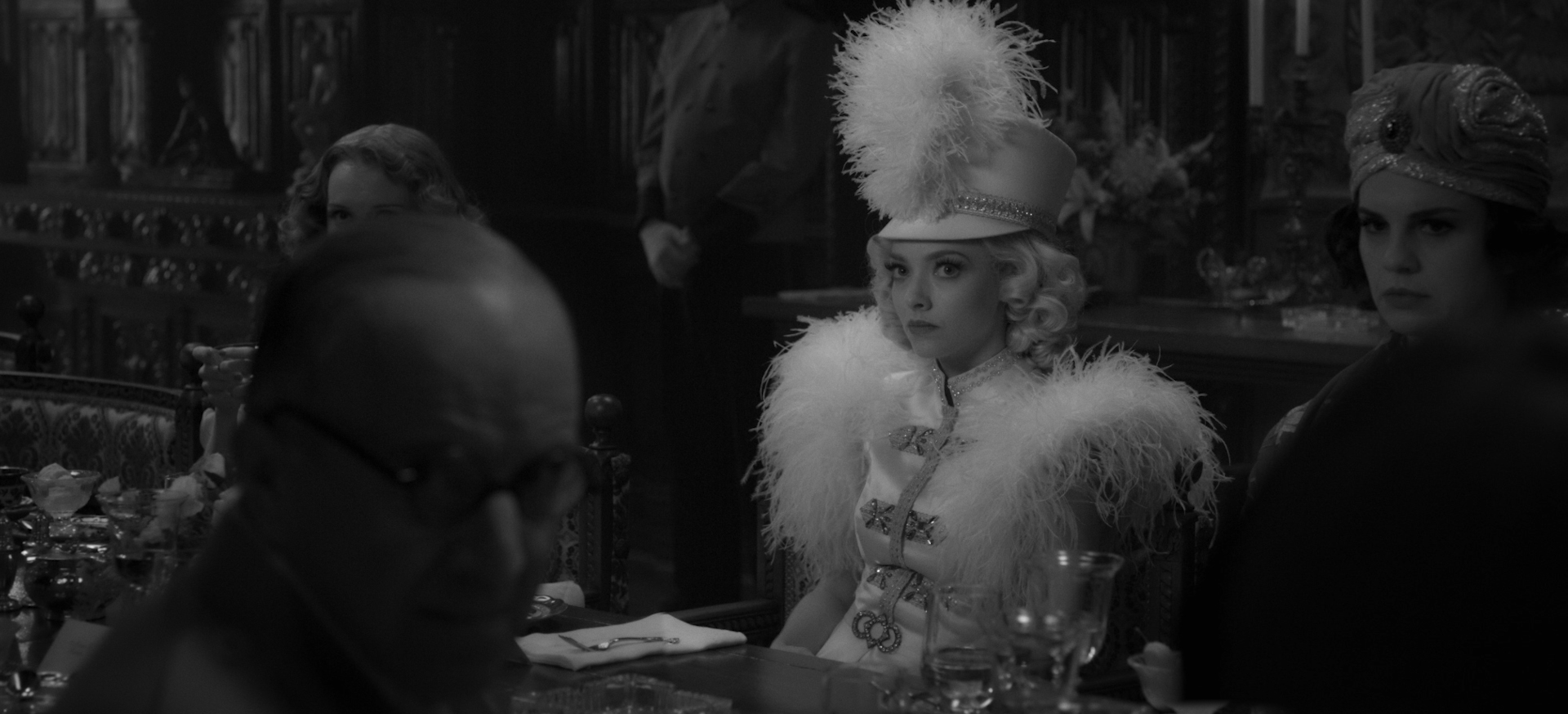
Orson Welles’ Citizen Kane was made at the height of Hollywood’s so-called Golden Age, a time when studios controlled their stars and super-producers like Louis B Mayer reigned supreme. David Fincher’s Mank, which tells the story of how legendary screenwriter Herman J Mankiewicz wrote one of the greatest films of all time, is a faithful reconstruction of Tinseltown as it appeared in the 1930s and early ’40s.
The unmistakable air of Old Hollywood glamour that infuses every frame of Mank was the result of months of planning and preparation by production designerDon Burt, who has worked on every Fincher release since 2007’s Zodiac.
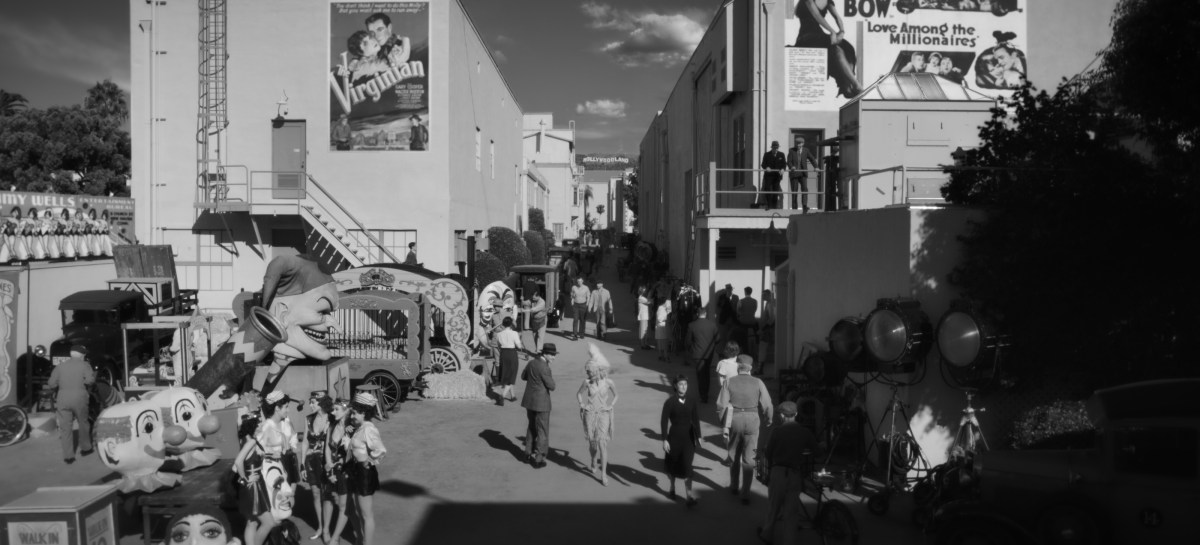
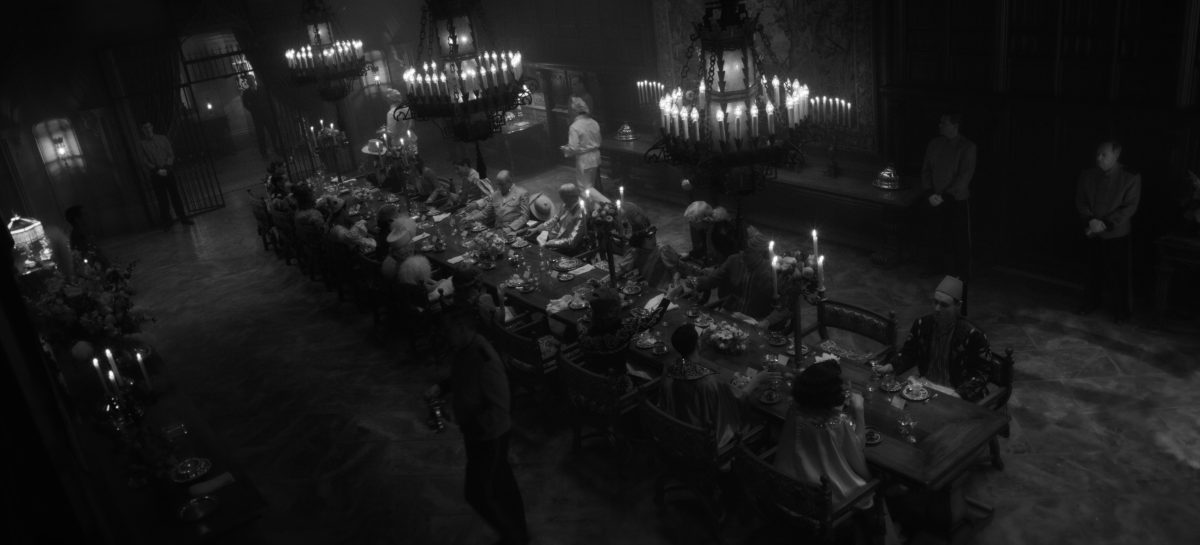
Burt walks us through the key locations from the film, some of which were scouted by himself while others were created on studio soundstages – just as Welles would have done.
One of the most acclaimed films of all time is Citizen Kane, released in 1941 and starring a young Orson Welles, who also directed. David Fincher’s epic Mank examines the role of another influential player, screenwriter Herman J. Mankiewicz. Released in select theaters in November before a December debut on Netflix, this black-and-white film is full of eye-popping sets and costumes. I had the chance to speak with production designer Donald Graham Burt and costume designer Trish Summerville about their approach to this ambitious project, their affinity for each other’s processes, and working with frequent collaborator David Fincher.
Abe Friedtanzer: When did you first see Citizen Kane, and how much did you want this film to look like that one?
Donald Graham Burt: Wow. I don’t know when I first saw it. It was years ago. And then of course I looked at it again before this film started. I don’t think it was so much about making it look like Citizen Kane. Obviously, the narrative involves Citizen Kane. It was more about making this be a film that felt like it was made during the same period. It was more about the 30s. We weren’t trying to replicate Citizen Kane in any way, shape, or form. That wasn’t the purpose of it. I don’t think we ever sat down and said, okay, in Citizen Kane, they did this, and they had a set that did this, and costumes that did this. That wasn’t the approach to it. Would you agree, Trish?
Trish Summerville: Definitely. I also, like Don, can’t remember when I first saw it. I was pretty young. I rewatched it, but wasn’t trying to mimic any of the costumes in it. It was just information for us to gather. We also looked at a bunch of other 30s black-and-white films.
Earning your stripes as a cinematographer can be hard enough. But the prospect of shooting your first movie with a Golden Globe, Primetime Emmy and BAFTA Award-winning director, about one of the greatest films of all time, starring some of the best actors working today, and capturing it all in HDR B&W, would seem perfectly daunting.
“Yes, it was quite intimidating, but it was also unbelievably exciting,” admits DP Erik Messerschmidt ASC, as he recalls the invitation from David Fincher to capture the filmmaker’s next movie – the biographical drama Mank.
Mank takes place in Hollywood during the 1930s and early 1940s. It follows screenwriter Herman J Mankiewicz, played by Gary Oldman, and the process he undertook for Orson Welles to develop the screenplay for what would become Citizen Kane (1941, dir. Orson Welles, DP Gregg Toland ASC). Nominated in nine categories at the 1942 Academy Awards, Citizen Kane won the Oscar for Best Original Screenplay, shared by Welles and Mankiewicz.
The film, based on a screenplay by the director’s late father Jack Fincher, alternates between time periods, echoing the non-linear narrative of Citizen Kane, and revealing the trials and tribulations in Hollywood that inspired some of the characters and situations seen in the movie. These include Mankiewicz’s friendship with starlet Marion Davies, played by Amanda Seyfried, his association with newspaper tycoon William Randolph Hearst, played by Charles Dance, and his turbulent professional relationship with Welles, played by Tom Burke.
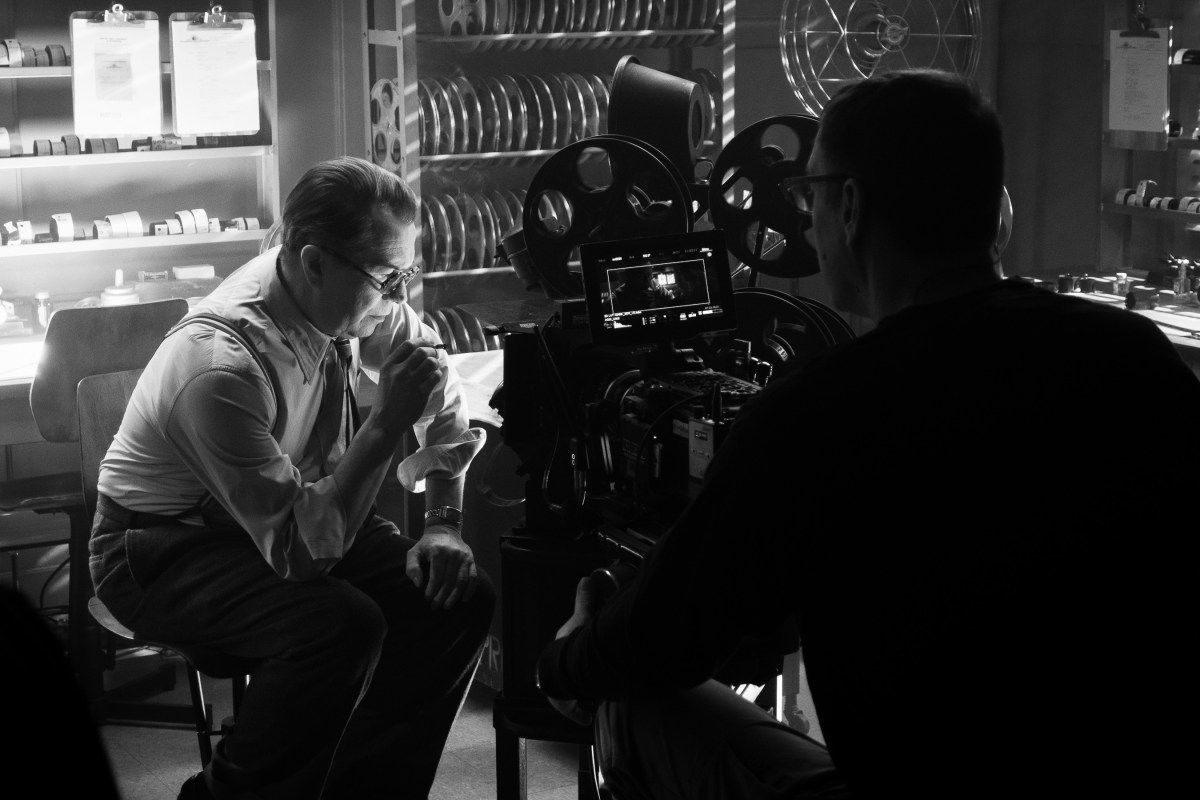
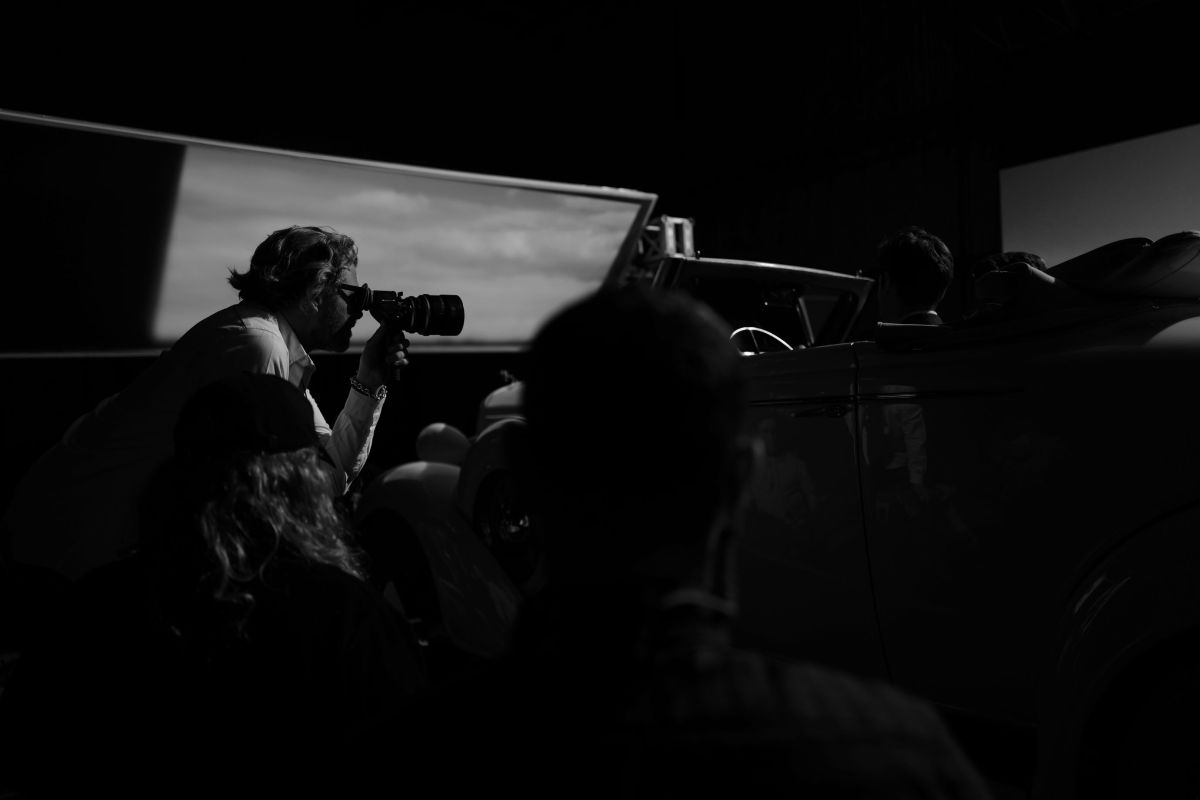
Shot entirely at 8K in High Dynamic Range monochrome, Mank also features allusions to Toland’s innovative cinematography, as well as classic day-for-night production techniques, and tips its hat to classic moments in the original film.
Mank had a limited theatrical release in November 2020, before streaming on Netflix in December. It received overwhelmingly positive reviews, with particular praise given to the direction, cinematography, production design, soundtrack and the performances, and is expected to feature strongly during the 2021 award season.
Fincher’s directorial credits include Se7en (1995, DP Dariusz Khondji AFC ASC), Fight Club (1999, DP Jeff Cronenweth ASC), Zodiac (2007,DP Harris Savides ASC) and The Social Network (2010, DP Jeff Cronenweth ASC). Messerschmidt,who came into cinematography from being agaffer, had previously lit Gone Girl (2014, DP JeffCronenweth) for Fincher, after which he immediatelymade the leap into cinematography as the leadDP on the first two season of Netflix’s Mindhunter,directed mainly by Fincher.
“I first met David on Gone Girl and got along great with him during the shoot,” says Messerschmidt. “I ended up lighting some promotional stills for that film which David shot himself. It was our first opportunity to work together creatively one-on-one. It went really well, and we stayed in touch. Both he and Cean Chaffin, his producer, knew that I had ambitions to become a DP. So, when Mindhunter came along, they offered me the opportunity to shoot it. We have been working together ever since, and I was thrilled to be asked to shoot Mank.”
Whenever David Fincher releases a new film, it’s a joy for cinephiles and filmmakers alike to see how the Oscar-nominated filmmaker has stretched the boundaries of filmmaking. His latest Netflix film Mank is no exception.
For the film shot all in black and white, Fincher teamed with his Mindhunter Cinematographer Erik Messerschmidt, and people have been quite awed by his camera and lighting work being that it’s his first film credited as a Cinematographer. That’s only part of the story – we’ll let him tell the rest – but the young DP has paid his dues by rising up the ranks through the electrical side of things.
Either way, the results are amazing as Fincher works from a script written by his late father, Jack Fincher, to tell the presumably fictionalized story of Herman Mankiewicz (Gary Oldman), the well-regarded Hollywood screenwriter whose many relationships during the ‘30s, led to the initial script that would eventually become Orson Welles’ Citizen Kane. Fincher’s film explores the way Mank viewed the relationship between mogul William Randolph Hearst (Charles Dance) and his girlfriend and ingenue Marion Davies (Amanda Seyfried) and molded that into Kane, all while battling his demons in a bottle with the help of his helper Rita (Lily Collins).
Below the Line got on Zoom with Mr. Messerschmidt a few weeks back to talk to him about what went into making such a gorgeous black and white film that stands next to Welles’ great cinematic masterpiece.
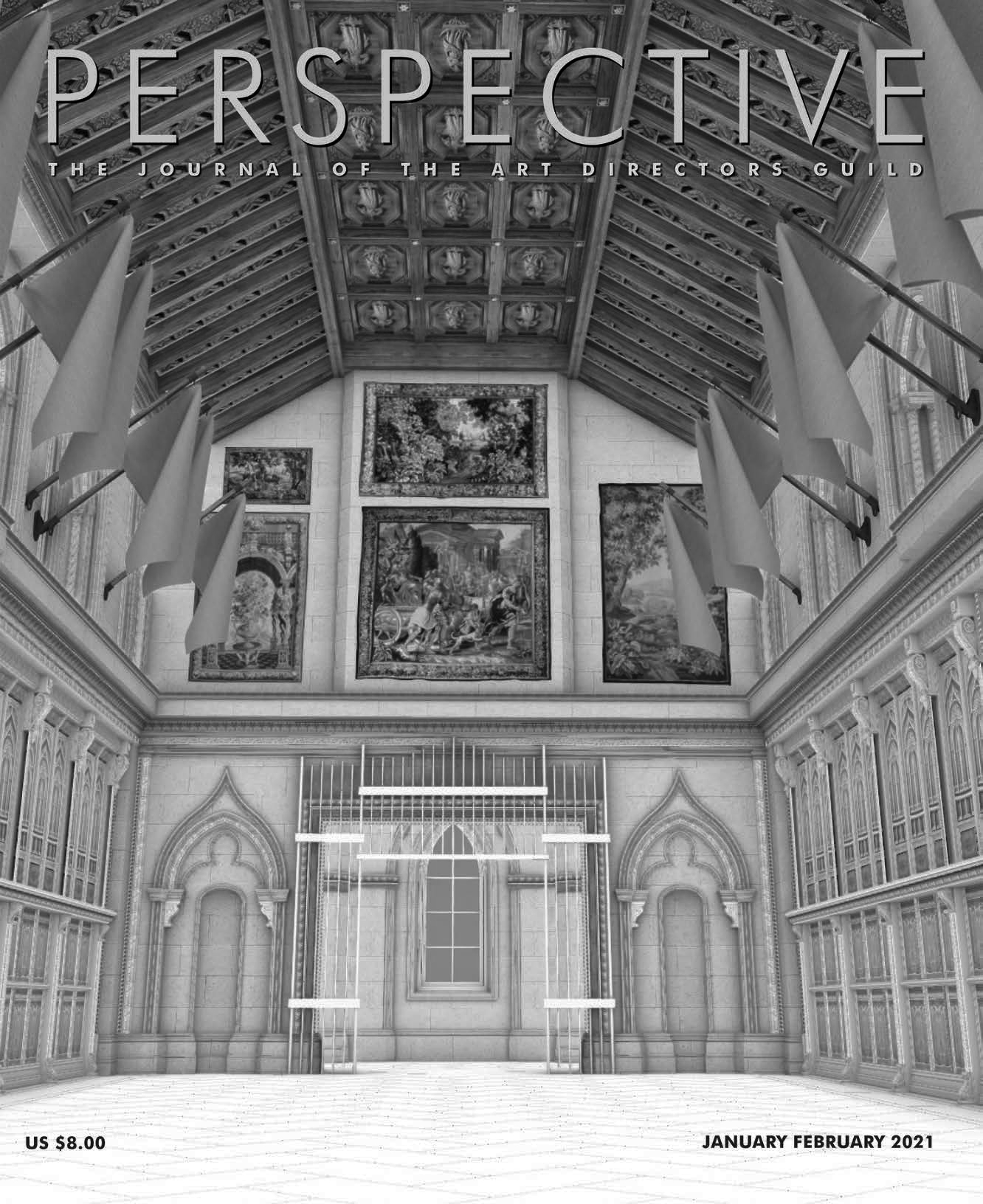
David Fincher set Mank in a world spanning 1930s and 1940s Hollywood. To tell the story of the events and relationships that led to the creation of the great Citizen Kane, Mank looks and feels as if it were made during that same period – a rare feat of technical and crafts wizardry. To re-establish this world, VFX can only get one so far (more on that another time), so Fincher and his production designer Donald Graham Burt needed to recall classic Hollywood structures as well as find a way to recreate the period experience of William Randolph Hearst’s castle located in San Simeon.
And you have to do all of that on an approximate $25 million budget.
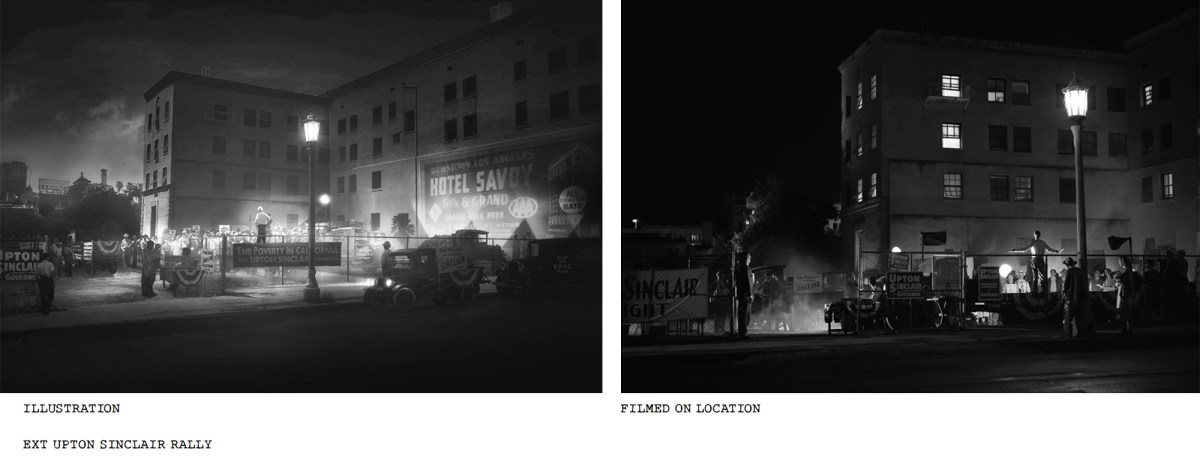
“It’s a challenge, and that’s probably the thing that, if anything kept me up at night, then that probably did,” Burt laughed. “In the same token, if you really look at the movie and break it down, it is pretty simple. I’m sort of a minimalist at heart. If you just take it and say let’s keep it simple but let’s build complexity within that simplicity, then it serves you so well in terms of dealing with a tight budget.”




 The Fincher Analyst