David Fincher‘s Mank is the most Oscar-nominated film of the year, amassing ten, thanks to the beauty and brilliance of its black-and-white execution. One of those nominations belongs to makeup department head Gigi Williams, a veteran who picks her work based on her belief in the director. In Fincher, she was collaborating with one of the most precise filmmakers in the business, and in Mank, working off a script from his father Jack Fincher, Williams had caught the director on what was likely his most personal project to date.
“If your makeup is too loud, you take away from the performance and you don’t belong in this artist’s picture, because Mank is a piece of art that everyone has dabbled in,” Williams says. “Everyone has put their piece into it, and everyone flows together so that nobody stands out. My whole career, I don’t like makeup that’s too big, that makes a statement, if you see my makeup, I’ve failed. I want to see the actor, I want to see the essence of the actor. I love the process of acting. I’m there to facilitate that.”
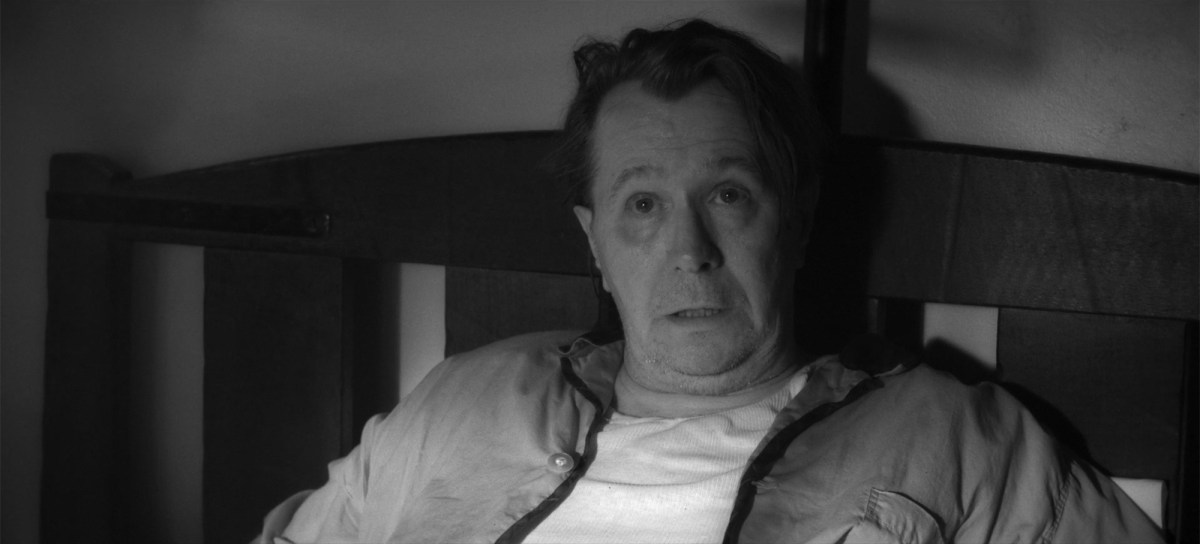
Mank makeup department head Gigi Williams explains her work on David Fincher‘s black-and-white dip into Hollywood lore, particularly the way she captured the eponymous screenwriter during an exhausted, overworked state.
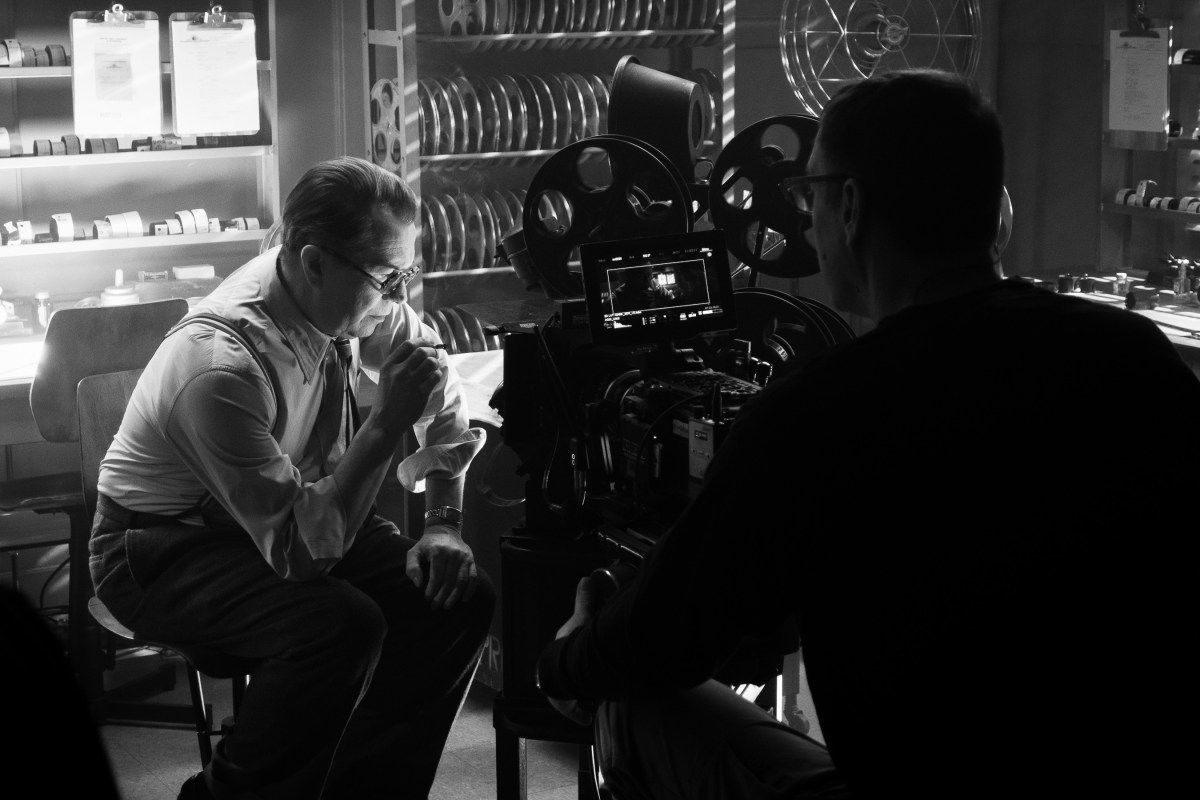
Mank actors Gary Oldman and Amanda Seyfried sit down with casting director Laray Mayfield to discuss their work in David Fincher‘s acclaimed film. Oldman discusses tapping the vulnerability of the eponymous screenwriter and using his actual physicality for the portrayal, while Seyfried speaks to Marion Davies‘s legacy and how it shaded Seyfried’s depiction of her.
Mank star Amanda Seyfried sits down with costume designer Trish Summerville, makeup department head Gigi Williams and assistant head hair stylist Colleen LaBaff for a deep-dive discussion of their efforts in bringing Marion Davies to life on the screen for David Fincher‘s black-and-white ode to Hollywood’s Golden Age.
When makeup and hair designers Gigi Williams and Kimberly Spiteri were approached for Mank, they jumped at the chance to craft looks for an Old Hollywood drama, set in an era they both loved.
“Hollywood in the ’30s and ’40s was something that we’ll never get to see again. That whole studio system, it’ll never be like that again,” Spiteri says. “So it’s a chance to get a glimpse at what it was like, which I find fascinating.”
Directed by David Fincher, the drama is both a love letter to, and a critique of, Hollywood’s Golden Age, following alcoholic screenwriter Herman J. Mankiewicz (Gary Oldman), as he finishes the script for Citizen Kane.
It’s on projects like this, Spiteri says, that “what the hair and makeup department does as a craft matters. Whether you’re trying to emulate a character or just get the period right, you may not notice if it’s right. But you’re going to notice if it’s wrong.”
Certainly, in the case of Mank, every effort was made to make sure that the work was right, though period accuracy was not the only concern. Because the film would be shot in black and white, both Williams and Spiteri had to engage in a lengthy series of camera tests, to make sure that their designs would translate properly, and that Fincher would be satisfied with the looks conceived for every actor.
In years past, Williams had collaborated with Fincher on the 2014 film Gone Girl, as well as the Netflix series Mindhunter, climbing the rungs between those two projects from assistant makeup department head, to the head of her department. Spiteri, though, had never before worked with the revered auteur, so it would take some time to come to grips with his famously particular working style.
Below, the designers reflect on the joys and challenges of tapping into a “magical period in filmdom” for Mank. Additionally, they touch on the idiosyncrasies of Fincher’s “vernacular” as a filmmaker, with regard to makeup and hair, and the way in which Williams guided Spiteri through her first encounter with the filmmaker.
Join acclaimed director David Fincher, actors Gary Oldman and Amanda Seyfried, and the cast and crew of Mank, for a peek behind the curtain of Netflix’s black-and-white ode to Hollywood’s Golden Age.
A conversation with Costume Designer Trish Summerville, Makeup Department Head Gigi Williams, Assistant Makeup Department Head Michelle Audrina Kim, Hair Stylist Department Head Kimberley Spiteri, and Assistant Head Hair Stylist Colleen LaBaff. Moderated by Jessica Radloff.
Earning your stripes as a cinematographer can be hard enough. But the prospect of shooting your first movie with a Golden Globe, Primetime Emmy and BAFTA Award-winning director, about one of the greatest films of all time, starring some of the best actors working today, and capturing it all in HDR B&W, would seem perfectly daunting.
“Yes, it was quite intimidating, but it was also unbelievably exciting,” admits DP Erik Messerschmidt ASC, as he recalls the invitation from David Fincher to capture the filmmaker’s next movie – the biographical drama Mank.
Mank takes place in Hollywood during the 1930s and early 1940s. It follows screenwriter Herman J Mankiewicz, played by Gary Oldman, and the process he undertook for Orson Welles to develop the screenplay for what would become Citizen Kane (1941, dir. Orson Welles, DP Gregg Toland ASC). Nominated in nine categories at the 1942 Academy Awards, Citizen Kane won the Oscar for Best Original Screenplay, shared by Welles and Mankiewicz.
The film, based on a screenplay by the director’s late father Jack Fincher, alternates between time periods, echoing the non-linear narrative of Citizen Kane, and revealing the trials and tribulations in Hollywood that inspired some of the characters and situations seen in the movie. These include Mankiewicz’s friendship with starlet Marion Davies, played by Amanda Seyfried, his association with newspaper tycoon William Randolph Hearst, played by Charles Dance, and his turbulent professional relationship with Welles, played by Tom Burke.
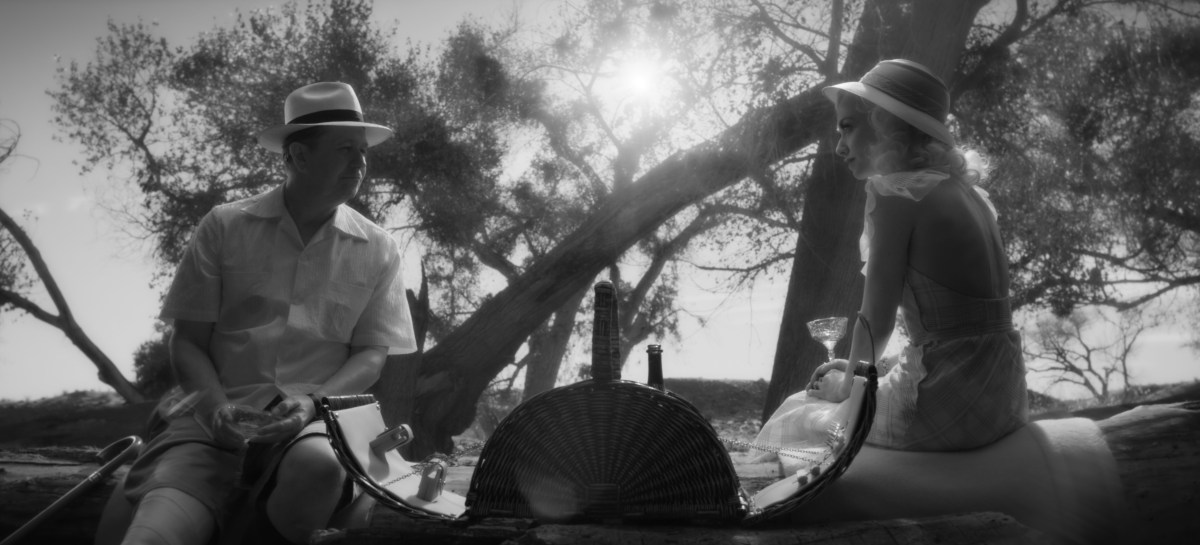
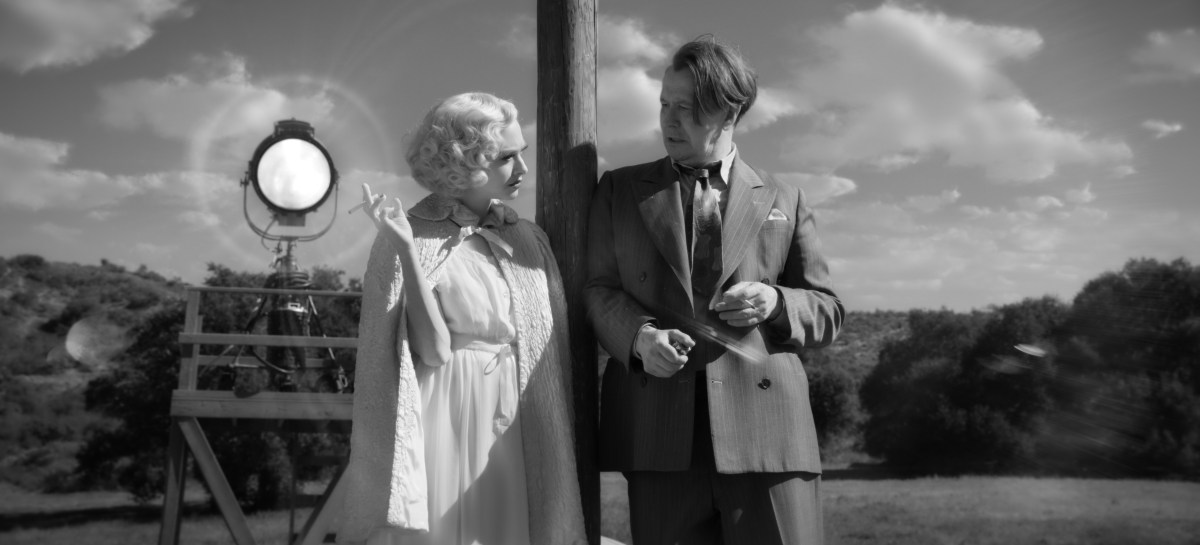
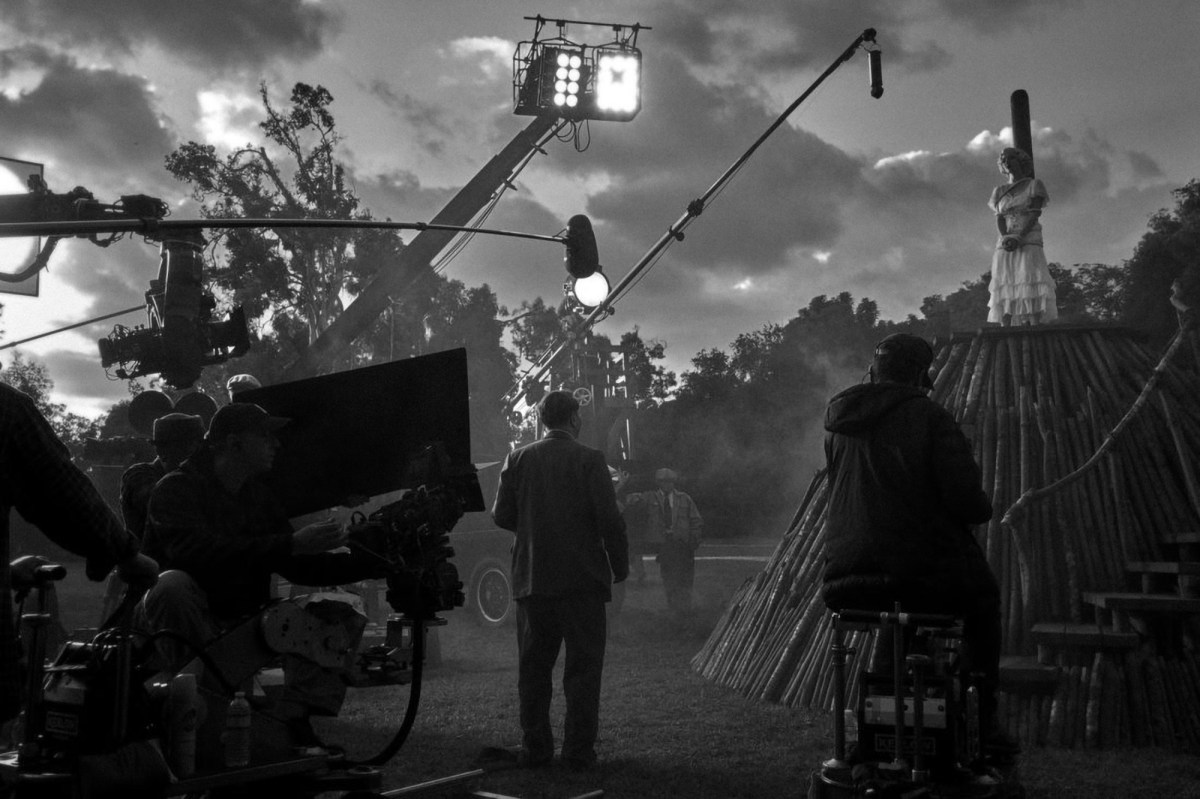
Shot entirely at 8K in High Dynamic Range monochrome, Mank also features allusions to Toland’s innovative cinematography, as well as classic day-for-night production techniques, and tips its hat to classic moments in the original film.
Mank had a limited theatrical release in November 2020, before streaming on Netflix in December. It received overwhelmingly positive reviews, with particular praise given to the direction, cinematography, production design, soundtrack and the performances, and is expected to feature strongly during the 2021 award season.
Fincher’s directorial credits include Se7en (1995, DP Dariusz Khondji AFC ASC), Fight Club (1999, DP Jeff Cronenweth ASC), Zodiac (2007,DP Harris Savides ASC) and The Social Network (2010, DP Jeff Cronenweth ASC). Messerschmidt,who came into cinematography from being agaffer, had previously lit Gone Girl (2014, DP JeffCronenweth) for Fincher, after which he immediatelymade the leap into cinematography as the leadDP on the first two season of Netflix’s Mindhunter,directed mainly by Fincher.
“I first met David on Gone Girl and got along great with him during the shoot,” says Messerschmidt. “I ended up lighting some promotional stills for that film which David shot himself. It was our first opportunity to work together creatively one-on-one. It went really well, and we stayed in touch. Both he and Cean Chaffin, his producer, knew that I had ambitions to become a DP. So, when Mindhunter came along, they offered me the opportunity to shoot it. We have been working together ever since, and I was thrilled to be asked to shoot Mank.”
“He just doesn’t like red,” reveals “Mank” makeup department head Gigi Williams about her director David Fincher. It is a curious sticking point for a black-and-white film and Williams admits in her exclusive interview with Gold Derby that she is unsure of the origins. She continues, “It’s like a bull with red, so even on this, I had to find reds that weren’t going to be too distracting for him while we’re on the set, even though he’s watching most of it through a monitor, which is black and white.” Williams notes that purple-leaning reds are especially egregious, whereas “he can handle” orange-leaning varieties. She laughs, “He just hates red. I mean, you go on the set and you go, ‘Oh, there’s a red thermos over there on the set. He’s not going to like that’ and you have to move it.”
By now, the crafts behind Mank are approaching legendary status. Each department needed to retrain their eye, rethink their typical approaches, to create the gorgeous designs for David Fincher’s black and white period film. Makeup department head Gigi Williams was certainly no exception.
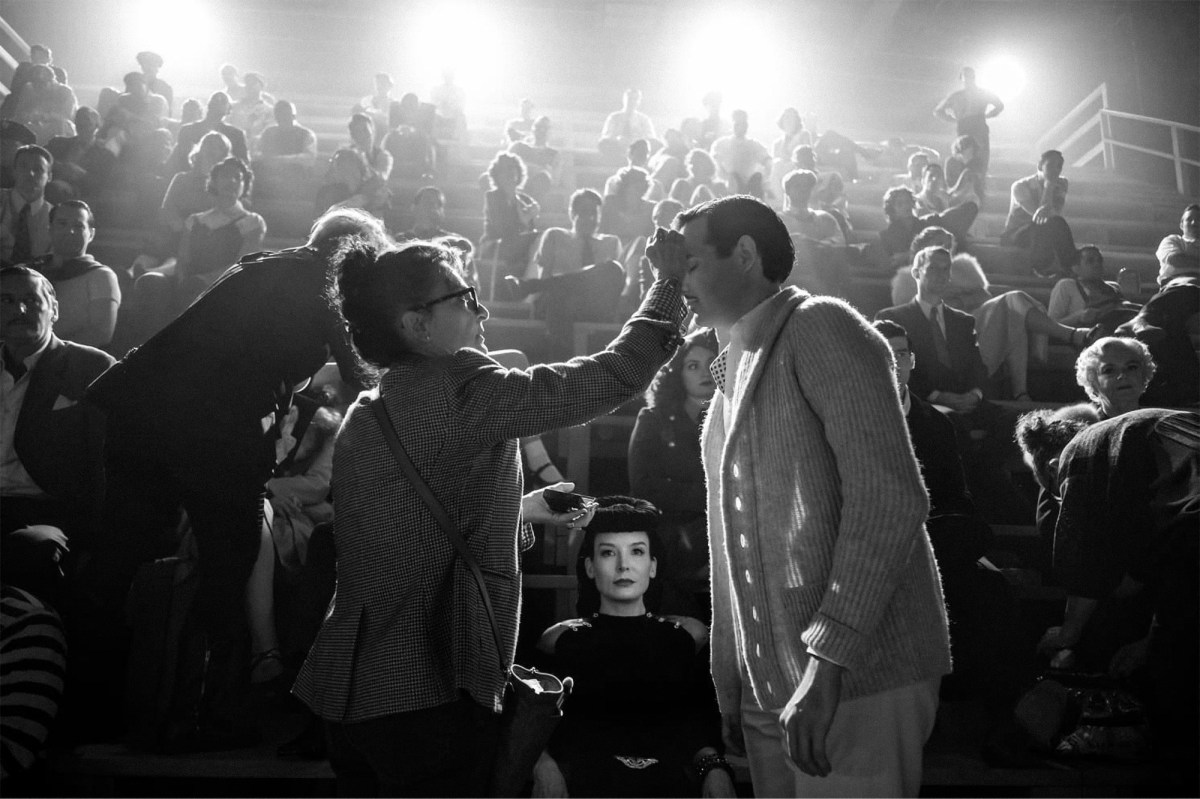
Williams, who last worked with Fincher on Gone Girl, calls herself a subtle makeup artist. Her designs typically eschew loud, broad strokes in favor of a more subtle approach.
But a subtle approach would not work with the film’s black and white palate.
“For me, I had a lot of dark gel in men’s eyebrows. I used black mascara on every single man, and I piled it on because that’s how they looked in their photographs for the period. Even though they weren’t wearing mascara, but was the only way I could recreate that look,” Williams shared. “I found myself really having to push myself to a place that I wasn’t comfortable with which was a lot of makeup, oddly enough.”







 The Fincher Analyst