

Al Horner
October 22, 2023
Script Apart
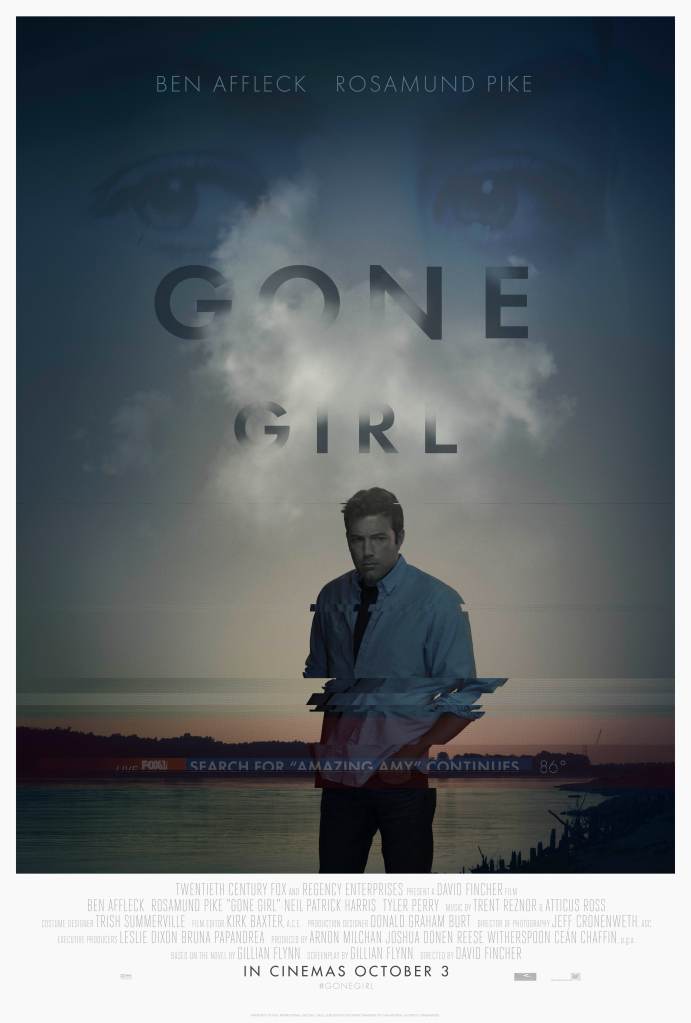
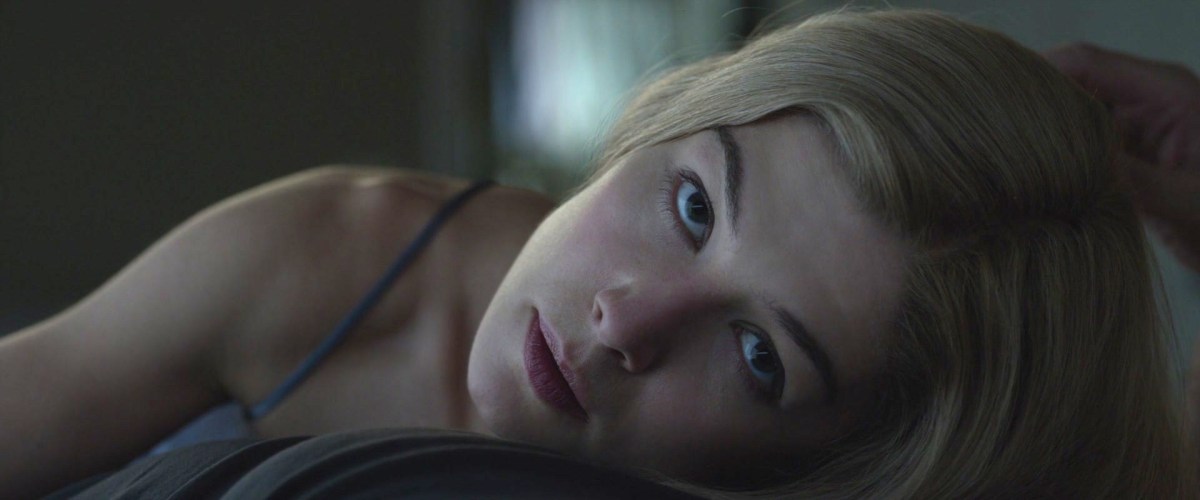
Gillian Flynn is an author, screenwriter and showrunner who delights in writing what she calls “bad women” – fascinatingly flawed female characters who she grants the freedom to kill, lie, harm and harass in a way that sometimes ruffles feathers. Take her 2012 novel Gone Girl, for example, which she later adapted into a smash hit movie with David Fincher. That murder-mystery tale of a marriage steeped in deceit captivated the world and sparked near-endless conversation about the poison and/or empowerment of its main character, Amy Dunne.
That novel and movie – released within two years of each other – didn’t just make Flynn a literary darling. It also catapulted her to the summit of film and TV. In 2018, she co-wrote the brilliant Widows with Steve McQueen, and adapted her first novel, Sharp Objects, into a gloriously slow-burning limited series starring Amy Adams. Since then, she’s won cult acclaim for her streaming adaptation of Utopia, the British Channel 4 series.
In the conversation you’re about to hear, we ask Gillian how she pens her captivating characters and the social importance of allowing women to run riot on-screen and in her novels, the way that male anti-heroes are frequently permitted to do. She reflects on the accusations of misogyny that her work attracted from some female writers in the aftermath of Gone Girl’s release and reveals an alternative ending to that story that would have taken the tale of Nick and Amy Dunne in an entirely different direction.
Listen to the podcast:
Script Apart
Apple Podcasts
Spotify
Amazon Music
Google Podcasts
Script Apart is hosted by Al Horner and produced by Kamil Dymek.
Follow Script Apart on Twitter and Instagram. Support for this episode comes from ScreenCraft and WeScreenplay. To get ad-free episodes and exclusive content, join us on Patreon.
 The Fincher Analyst