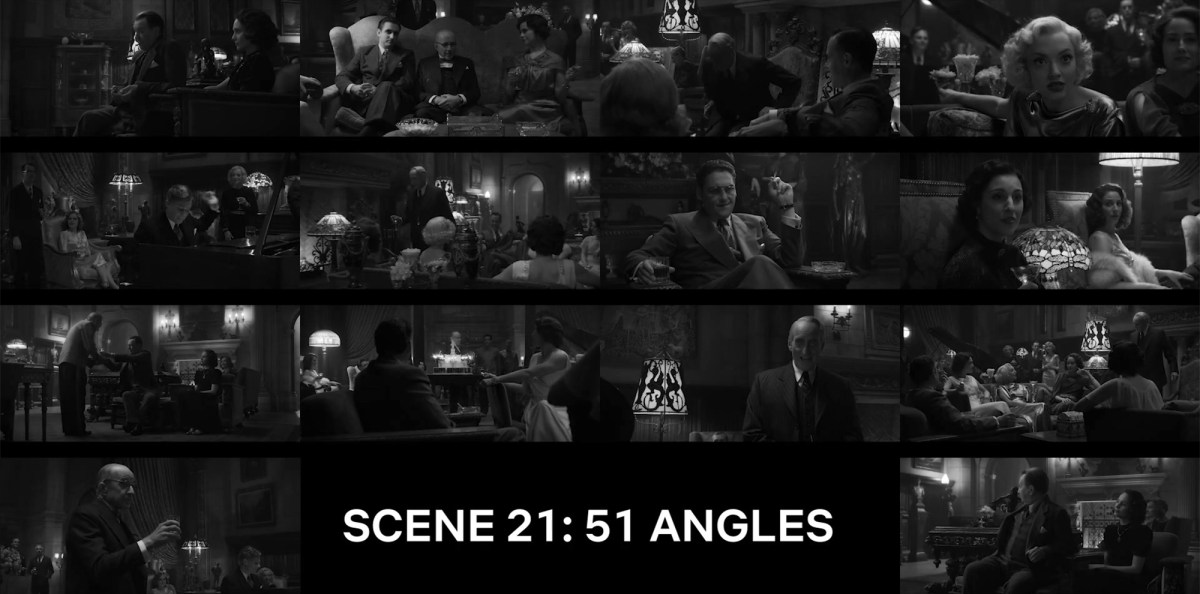
Two-time Oscar®-winning film editor Kirk Baxter takes you through his decision-making process for an early sequence from David Fincher‘s Hollywood Golden Age drama, which features the interplay of a number of central characters and relationships.
Excerpts from the ‘Virtual Glass of Wine’ British Film Editors interview series. Kirk Baxter talks about editing Mank, directed by David Fincher (Fight Club, The Social Network).
Kirk Baxter, ACE on how he approached MANK (2020)
Kirk Baxter, ACE on MANK (2020) from script to scene
Citizen Kane has long been regarded as a movie masterpiece for its cinematography, storytelling, and ahead-of-its-time visual effects. Who better to pay homage to the 1940’s film than director David Fincher, whose films are often lauded for these same characteristics? Fincher’s most recent project, the Netflix feature film Mank, brings to life a screenplay written by his late father, journalist Jack Fincher.
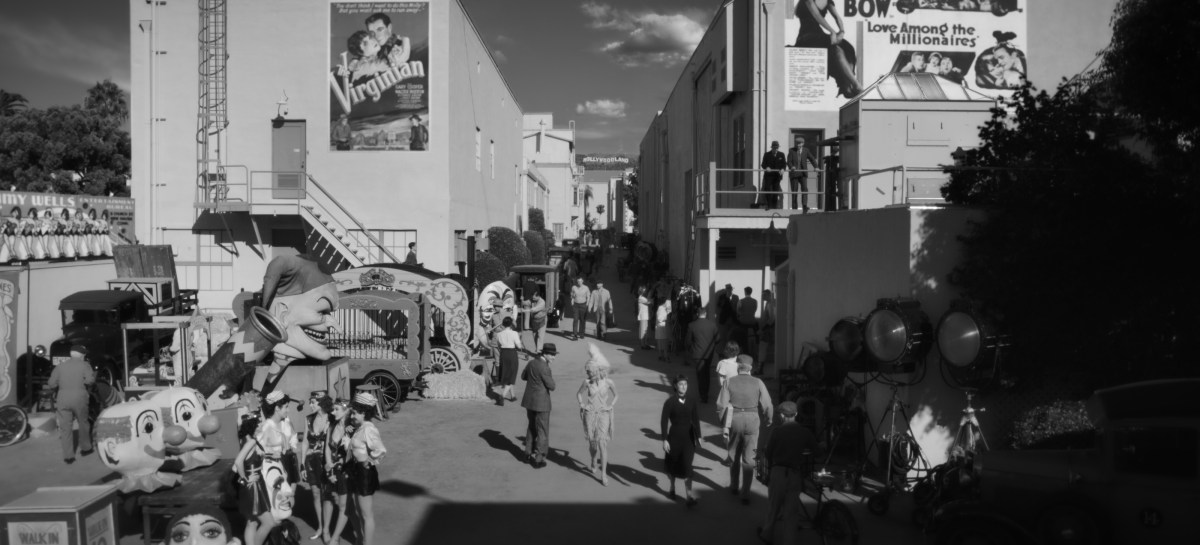
Netflix describes the film as “1930s Hollywood…reevaluated through the eyes of scathing wit and alcoholic screenwriter Herman J. Mankiewicz as he races to finish Citizen Kane.” This movie about a movie showcases the unique approach to storytelling and visual style that continues to make Fincher’s work stand out.
Helping Fincher to bring his signature style to life is a talented post-production team that includes post producer Peter Mavromates, editor Kirk Baxter, first assistant editor Ben Insler, assistant editor Jennifer Chung, and a number of additional assistant editors and VFX artists. Their collective credits include MINDHUNTER, Gone Girl, The Social Network, The Girl with the Dragon Tattoo,The Curious Case of Benjamin Button, House of Cards, and other features.
As co-producer of Mank, Mavromates oversaw the timing, budget, schedule, and integration between the editorial, visual effects, and finishing departments. Insler was responsible for integrating the overall project workflows. Chung prepped dailies and supported the editorial team throughout the post-production process and liaised with the sound, color, and visual effects teams.
The team constantly looks to refine and improve their workflows. “I love the mechanics of post-production,” says Insler. “If there’s a way we can eliminate a bottleneck or figure out a more efficient way to do things, I’m all over it. It’s one of my favorite things to do.”
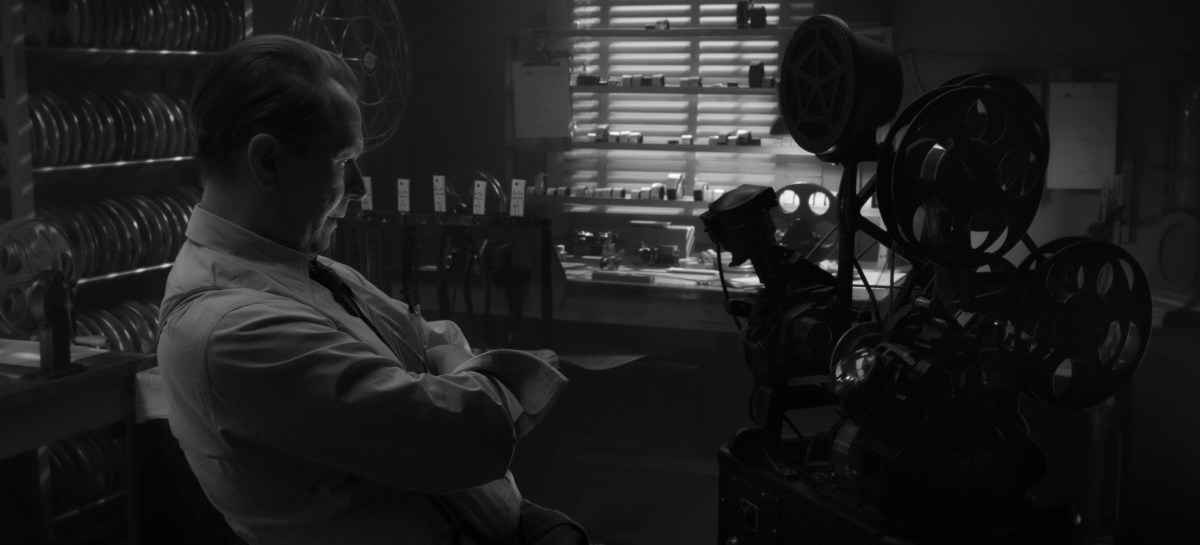
Insler had that opportunity while working on Mank, which was edited using Productions in Adobe Premiere Pro. Already long-time users of Premiere Pro, Productions made it even easier for the editorial team to organize projects, collaborate, and scale, while solving issues such as avoiding duplicate clips and providing the ability to break large projects into smaller segments so that they open and save faster.
How do you make a movie about the best movie ever made? With David Fincher, Gary Oldman, Netflix and Adobe Premiere Pro, Mank tells the story behind the story of Citizen Kane.
You don’t win two Academy Awards without being pretty great at your job. So, it’s not a stretch to call Kirk Baxter an ace editor. His work, not just alongside Angus Wall, but with director David Fincher, has produced some impeccably edited films. The Social Network, along with The Girl with the Dragon Tattoo, won Baxter and Wall Oscars, while they also received a nomination for The Curious Case of Benjamin Button. Throw in Gone Girl, as well as now Mank (which is a solo editing job, without Wall), and you have someone who is truly at the top of their craft. So, getting the chance to pick Baxter’s brain was a chance I had no intention of passing up.
Below, you can hear my conversation with Baxter. Mank is at the center of our chat, but I was just fascinated by editing in general and wanted to hear as much as I could from him. So, we move in a few different directions, thought the Fincher flick is never far from our minds. Baxter is well on his way to another citation from the Academy, so it’s a perfect time to revisit the film over on Netflix. As I wrote in my review (found here), the tech work in the movie, including Baxter’s, is beyond reproach.
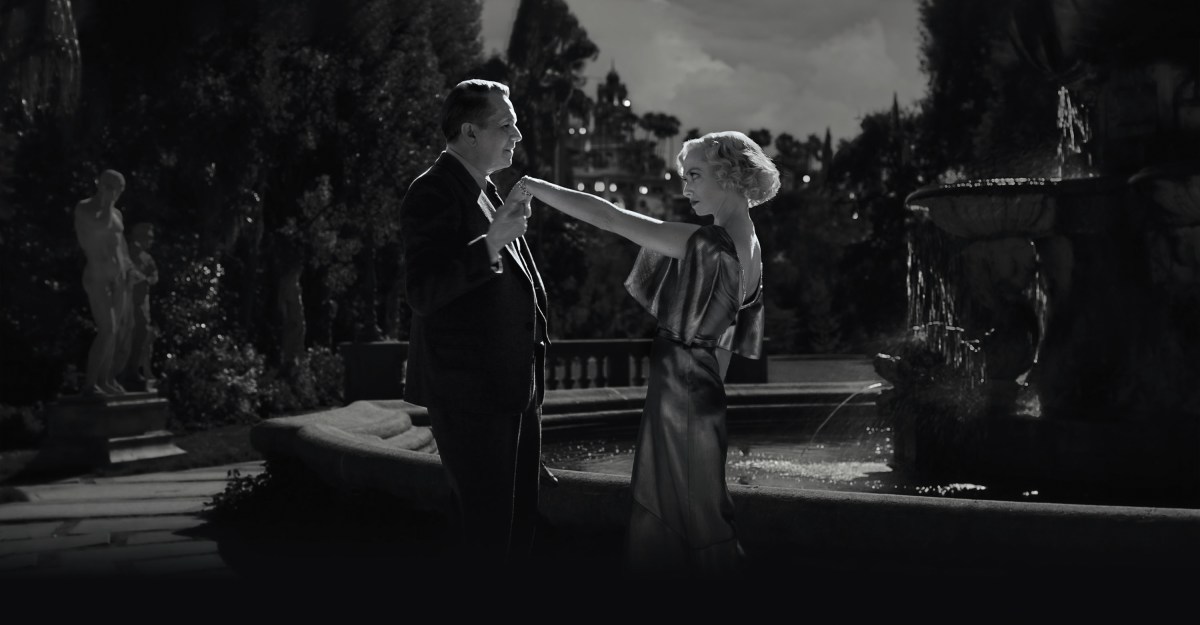
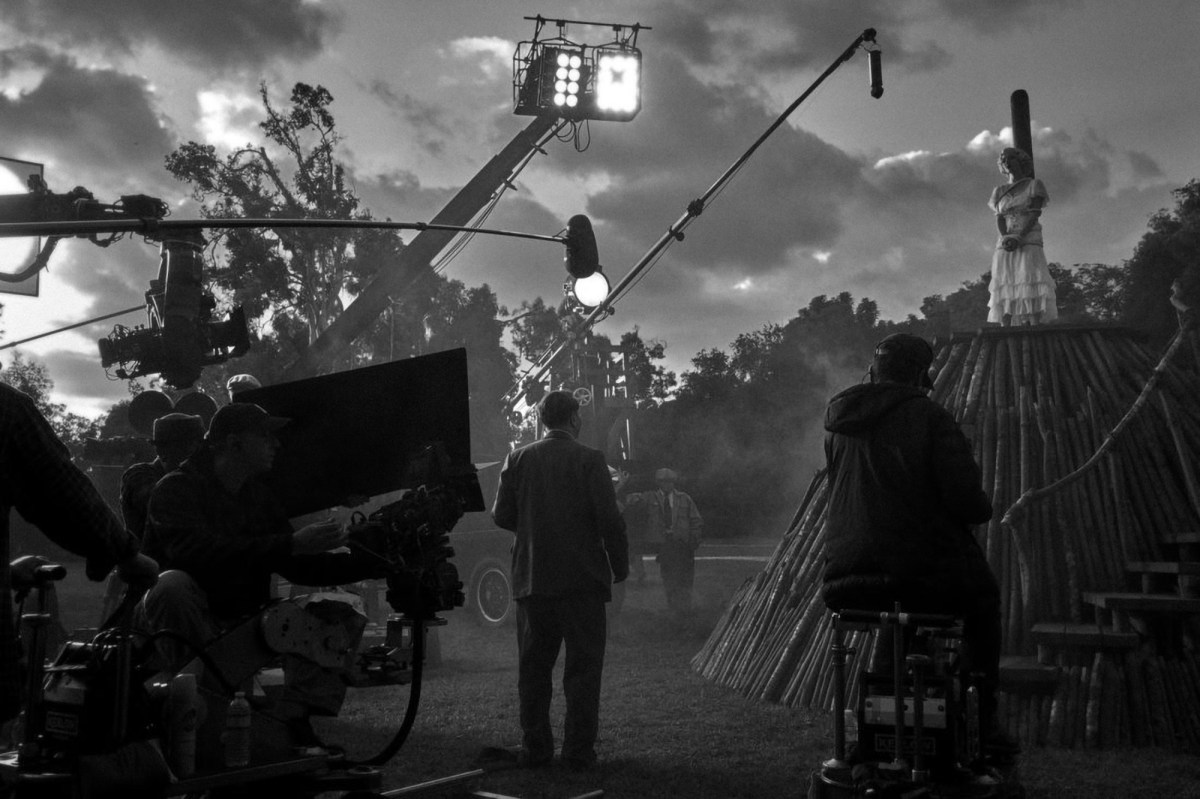
Join acclaimed director David Fincher, actors Gary Oldman and Amanda Seyfried, and the cast and crew of Mank, for a peek behind the curtain of Netflix’s black-and-white ode to Hollywood’s Golden Age.
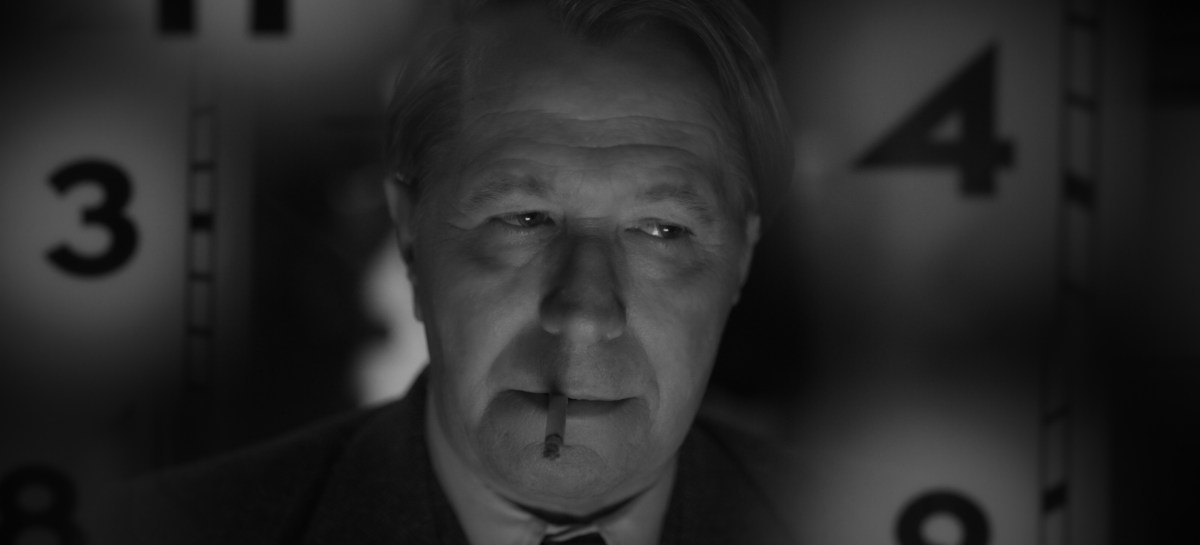
“It doesn’t matter what the intention was; it only matters what was captured,” muses two-time Oscar winner Kirk Baxter at the end of his exclusive interview with Gold Derby about editing “Mank” (watch the video above). Baxter and former editing partner Angus Wall are the only in Oscar history to win consecutively for Best Film Editing, which they did for 2010’s “The Social Network” and 2011’s “The Girl with the Dragon Tattoo,” both under David Fincher. Baxter is currently nominated for a Critics Choice Award for “Mank,” his eighth collaboration with the director.
Two-time Oscar®-winning film editor Kirk Baxter details the assemblage of David Fincher‘s acclaimed new film Mank. He digs in on navigating the director’s wealth of coverage, building transitions, piecing together Mank’s climactic tirade at Hearst Castle and much, much more.
When editor Kirk Baxter boarded labyrinthine, Old Hollywood drama Mank, he was met with multiple timelines, and rapid-fire dialogue from a vast assortment of real-life characters.
While Baxter would be tasked with guiding the viewer through the complex period piece, he never thought of the film as a challenge, per se. “I look back,” he tells Deadline, “and see it as a joy.”
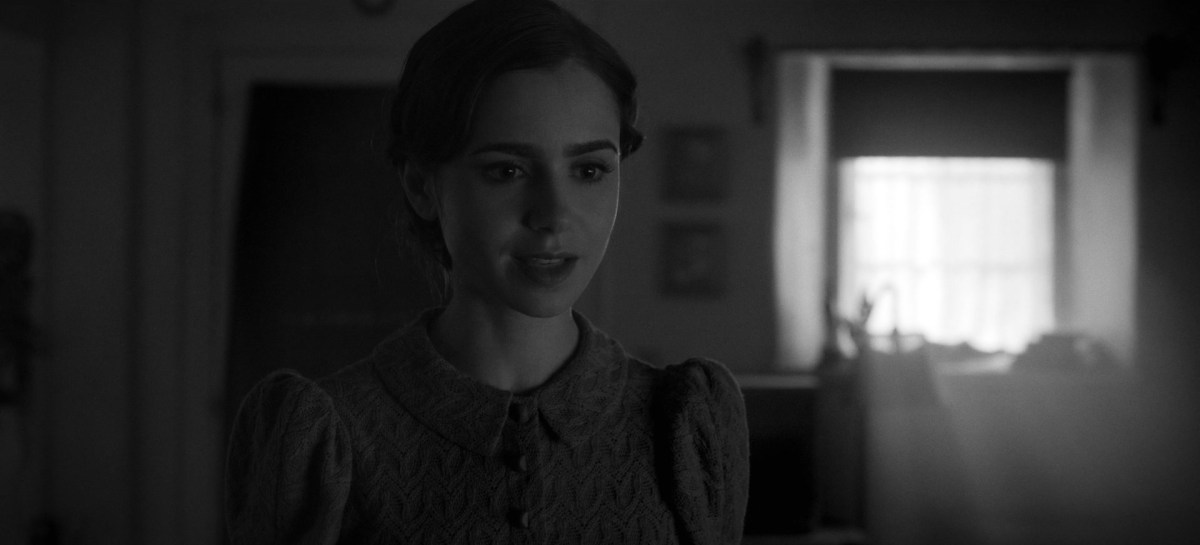
Directed by David Fincher, Mank follows alcoholic screenwriter Herman J. Mankiewicz (Gary Oldman), as he endeavors to finish the screenplay for Citizen Kane. Along the way, it also examines the washed-up wordsmith’s relationships with icons of his time, including Marion Davies (Amanda Seyfried), William Randolph Hearst (Charles Dance), and Orson Welles (Tom Burke).
First collaborating with Fincher on The Curious Case of Benjamin Button (2008), Baxter quickly developed a shorthand with the auteur, going on to reteam with him on four other films and two TV series. While Benjamin Button would land him his first Oscar nomination, his first pair of statuettes would come shortly thereafter, for his contributions to The Social Network and The Girl with the DragonTattoo.
Poised to return to the race once more with Mank, Baxter spoke with Deadline about the scene in Fincher’s longtime passion project that scared him the most, the performance that captured his heart, and the aspect of the process that felt like “the cherry on top.”
Krista Smith February 10, 2021 More Like This (A Netflix Queue Podcast)
A podcast from Netflix Queue, the journal that celebrates the people, ideas, and process of creating great entertainment on Netflix and beyond. Host Krista Smith is joined by a different co-host each episode – Franklin Leonard, Tre’vell Anderson, and others – to give an insider’s peek into the creation of your favorite films, series and documentaries and the incredibly talented people who make them.
More Like This gets the Mank treatment! In this very special episode, Krista takes us behind the scenes of David Fincher’s Mank, sharing interviews with key members of the creative team. Composers Trent Reznor and Atticus Ross talk about the power of storytelling through music, how they pulled inspiration from composers of the past, and how pandemic restrictions forced them to record a 70-piece orchestra one instrument at a time; set decorator Jan Pascale demonstrates how the smallest details make the biggest impact; cinematographer Erik Messerschmidt details how he combined classic and modern techniques to transport a 21st century audience back in time; and editor Kirk Baxter explains why David Fincher once called him 50% blacksmith and 50% poet. Enjoy this deep dive into the process of making movie magic with film collaborators at the top of their game, and be sure to see their work in Mank, now streaming on Netflix.
Netflix’s Mank marks editor Kirk Baxter’s fifth cinematic collaboration with director David Fincher. It’s a collaboration that proved extremely rewarding for the editor who received two Academy Awards for his work with Fincher — 2010’s The Social Network and 2011’s The Girl with the Dragon Tattoo. In fact, Baxter and then co-editor Angus Wall achieved an incredibly rare feat with their Dragon Tattoo win given its lack of a Best Picture nomination.
That successful collaborative history with Fincher stems from Baxter’s willingness to accept feedback and push his work to be the best it can be.
“I don’t seek to be finished, and I remain curious with the material. I don’t work from a defensive standpoint. I don’t have this protectionist quality about the work I’ve done,” Baxter explained when ruminating on his partnership with Fincher. “I just show the work, and if he’s into it, he’s into it. If he’s got a way that he thinks it can be improved, then I’m into that. That’s the relationship. It’s a lot of back and forth, and I’m really comfortable doing it.”




 The Fincher Analyst