Paramount Pulls The Plug On David Fincher’s ‘World War Z’ Sequel

Rodrigo Perez
February 6, 2019
The Playlist

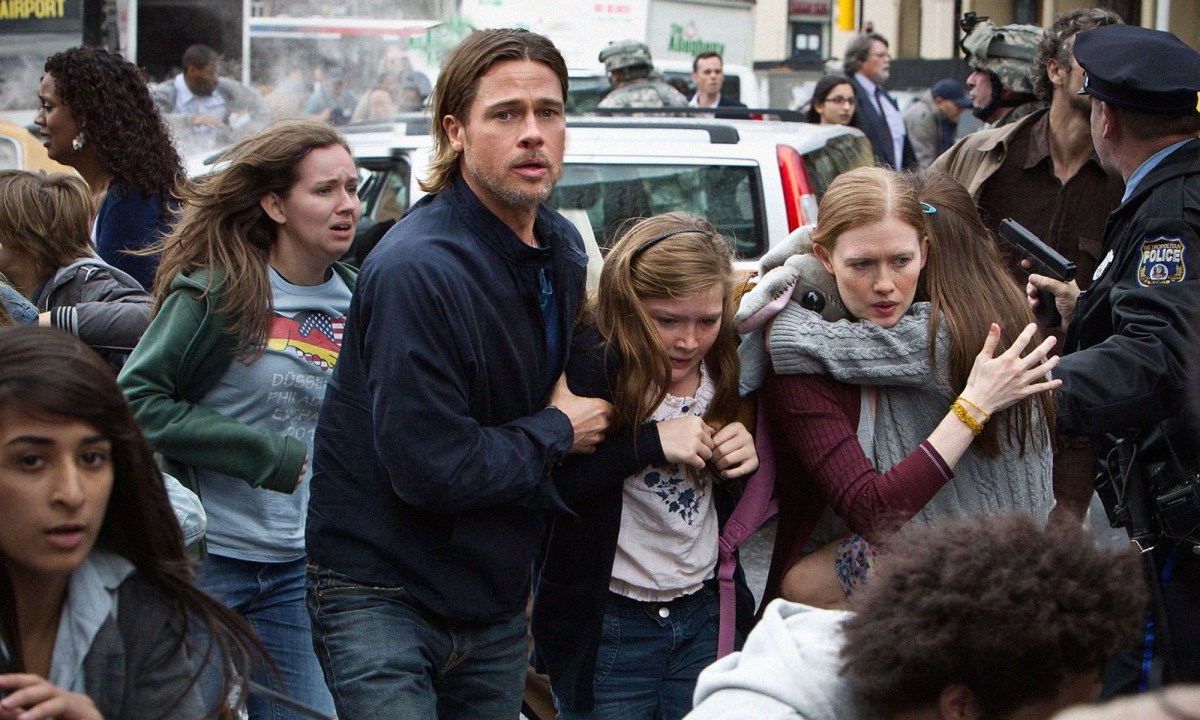
“Movement is life,” Brad Pitt‘s Gerry Lane famously said, advising survivors in Paramount‘s 2013 zombie/outbreak movie “World War Z.” Momentum is everything in Hollywood, and perhaps a lack of it hurt “World War Z”‘s chances for a sequel, because it’s now curtains for the followup film. Sources close to the project for years tell us that Paramount Pictures pulled the plug on director David Fincher‘s film last night.

The film’s budget was definitely an issue but only to a degree. Fincher and his team were proposing something less than the budget of the original ($190 million according to Box Office Mojo, before the costly reshoots). However, Paramount’s known about this figure since at least last year and had hemmed and hawed about the project for months. One might think it not entirely coincidental that Paramount, which makes far fewer films than the average studio, just designated a lot of money for two significant blockbusters: “Mission Impossible 7” & ‘8‘ which will arrive in the summer of 2021 and 2022, according to their official release dates.

Paramount simply dragged their heels, at one point eyeing a 2018 or 2019 summer release, but never feeling bold enough to put it back on the schedule. Pitt, who has worked with Fincher several times, began to court Fincher for the job back in August of 2016 and a few months later the director agreed and started to look for writers to develop a new script. Dennis Kelly, the creator and writer of the original U.K. “Utopia” series—which Fincher almost adapted himself for HBO— was hired to rewrite the script from Steven Knight.

The officially untitled “World War Z 2” was roughly aiming for a summer shoot—Fincher is currently still busy editing “Mindhunter” season two for Netflix—but the writing might have been on the wall given how tentative Paramount was with the project.

Read the full article

Paramount Scraps David Fincher’s ‘World War Z 2’ over Budget Concerns

Adam Chitwood
February 6, 2019
Collider
Dissecting the Classics: Fight Club

Merrick Morton (20th Century Fox)

Aaron Hubbard
February 1, 2019
411Mania

Who’s ready to break the first two rules?

Welcome to Dissecting the Classics . In this column, I analyze films that are almost universally loved and considered to be great. Why? Because great movies don’t just happen by accident. They connect with initial audiences and they endure for a reason. This column is designed to keep meaningful conversation about these films alive.

What Do We All Know?

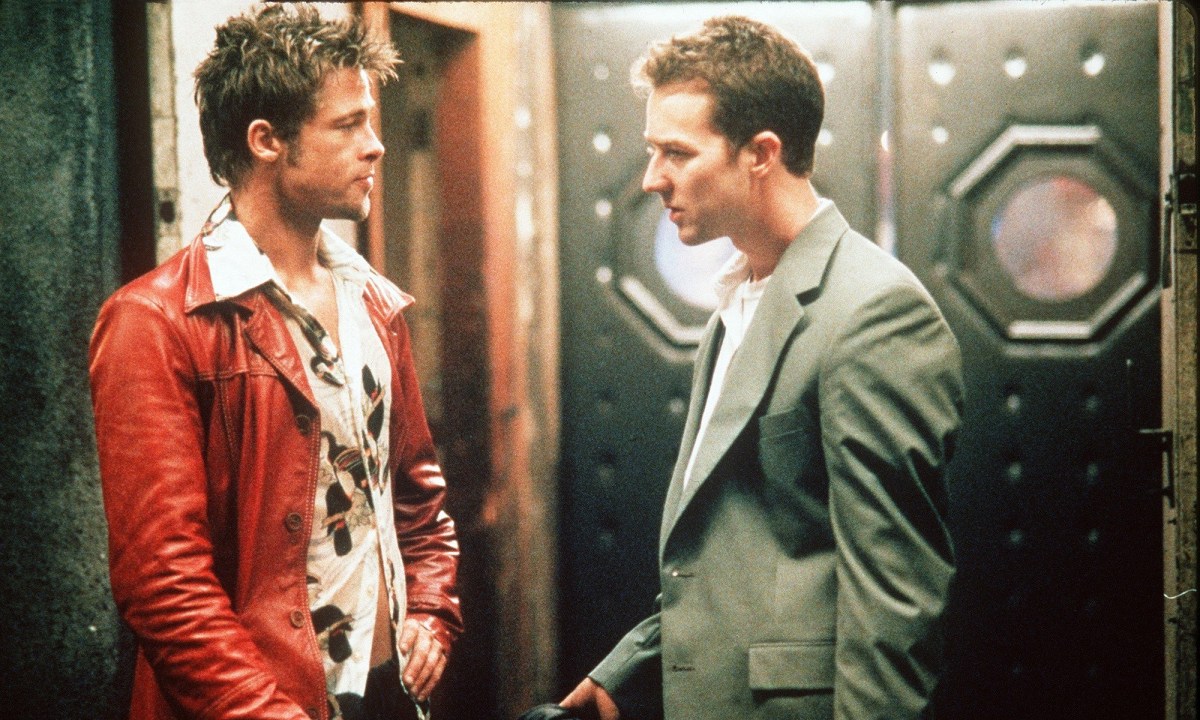
Fight Club is perhaps the most enduringly popular work of director David Fincher. While it received mixed reviews from contemporary critics and a modest box office performance, the film found its true audience on DVD, becoming a cult film in the early 2000s. It has since been reevaluated as one of the best films of the 1990s, with Empire Magazine going so far as to call it one of the ten best films of all time in 2008. But the film also has its fair share of detractors: many take issue with the glorification of violence and social terrorism, fearing the impact it would have on male viewers. Those fears aren’t totally unfounded: several fight clubs were started in the early 2000s, and an attempted bombing of a Starbucks in 2009 was attributed to trying to recreate Project Mayhem.

If you haven’t seen Fight Club and are reading this for some reason, this review is going to be very spoiler heavy, and I recommend seeing the film first. That’s partially because it has a brilliantly executed twist that I’d hate spoiling. But primarily it’s because Fincher and his team excel at crafting complex themes that require a deep dive and it’s better if you’ve scratched the surface by yourself. With that out of the way, let’s talk about Fight Club.

Read the full article

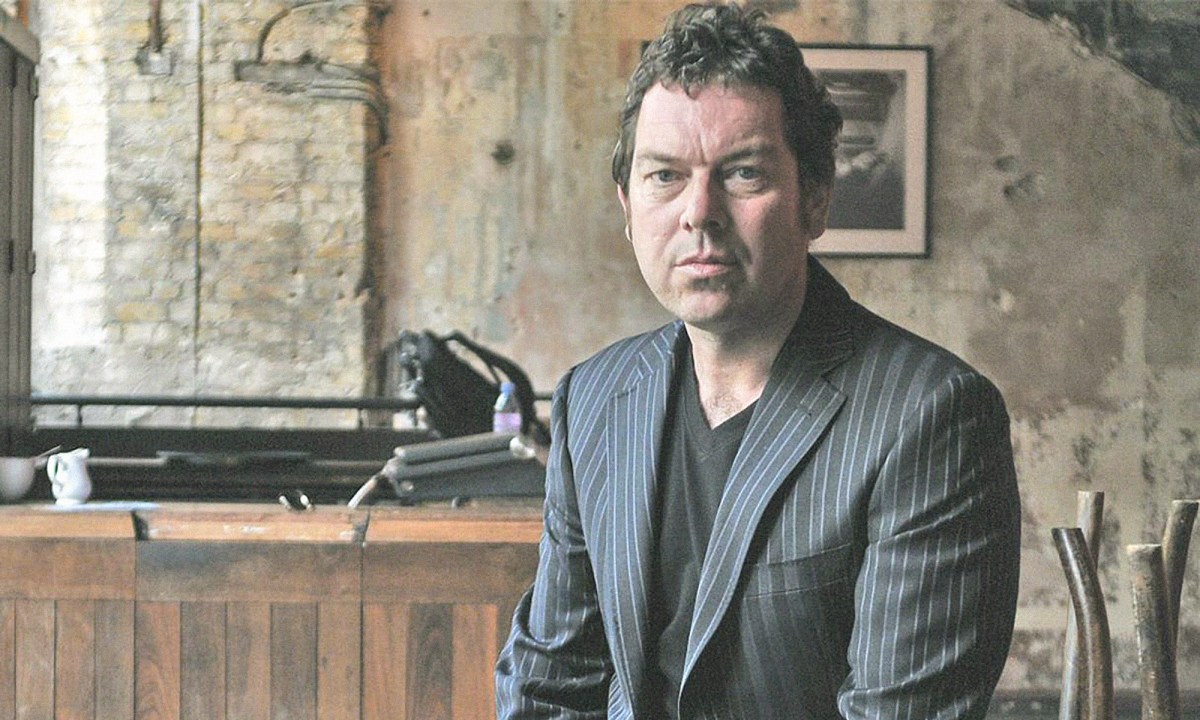
Joe Penhall on the Nature of Criminality in MINDHUNTER and The King of Thieves

Joe Penhall (2018, Richard Mildenhall / Independent)

John Bucher
January 25, 2019
LA Screenwriter

Joe Penhall has been telling stories in theaters, across TV screens, and on stages for almost 20 years. His screenplay based on Cormac McCarthy’s The Road, starring Viggo Mortensen and Charlize Theron, brought him acclaim and opened up doors that would lead to his most celebrated project to date, Netflix’s Mindhunter.

Penhall has returned to the world of cinema with his newest project. Starring Michael Caine, The King of Thieves is a crime story based on real events about a retired crew of criminals who attempt to pull off a heist in London’s jewelry district.

[…]

John Bucher: With both Mindhunter and King of Thieves, you really get into the psychology of criminals and you have deep insights here into the way that people who have committed and plotted crimes look at the world. How do you approach these characters to understand their psychology?

Joe Penhall: The first and only regular job I ever had was as a crime reporter in my early twenties, and occasionally, the detectives would give me a transcript to read. One of them was an interview with a serial killer and we would analyze it and we would talk about it and they would give me their insights, and over the years, I’ve just become more and more interested in psychology and the kind of pathology of people’s behavior, because the only way to know anything about people is to try and develop a proper kind of psychological perspective.

What fascinated me about Mindhunter was how these FBI agents are expected to get crew cuts and lock people up and they’re at a time in history when that’s not good enough anymore. We have to develop a more nuanced, more academic, psychological understanding of this and I think that that’s true. People accept criminals. They accept politicians. They accept the bad people and the good people in society without ever really analyzing or pathologizing them in any way at all.

These things are an opportunity for me to try and dig down and understand what makes criminals tick. These criminals are a big part of our society, and certainly when I was doing Mindhunter, I know David Fincher and I were both fascinated with psychopathy and narcissism and personality disorders because I think we felt, somewhere on the grapevine, there were other people out there who weren’t serial killers who were high-ranking politicians who had psychopathy, who had personality disorders that resembled very closely the kind of villains in our piece.

And it came to pass. Since Mindhunter was written, there’s been this book about Donald Trump’s personality disorder. It’s well known that many of history’s dictators had personality disorders. They had psychopathy. They had sociopathy. They had antisocial personality disorder.

And it strikes me as self-evident that there is a pathological way of understanding these things without just calling it evil or without just calling them monsters or without just ringing your hands, you know. I think we were on a mission with Mindhunter to show that these people were actually ordinary people, sad to say.

King of Thieves is a much lighter version of that, but it’s the same thing. It’s not Warren Beatty in a heist film. It’s not George Clooney in a heist film. They’re banal people. They’re banal people that can’t be socialized the way most people can and they end up doing odd things like robbing vaults. I just find it fascinating but fascinating for slightly different reasons than people generally find heists fascinating or criminality fascinating in the movies.

Read the full interview

The Creator of Netflix’s ‘Mindhunter’ Is Already Thinking Past Season 2

“We’re working as fast as we can,” Joe Penhall tells Inverse.

Jake Kleinman
January 17, 2019
Inverse

Joe Penhall has been keeping busy. In between researching and writing Mindhunter Season 2, he also had time to pen King of Thieves, a new movie out next week about a group of elderly British burglars. But we couldn’t resist asking about his hit Netflix show, and, in an interview, Penhall tells Inverse approximately when we can expect Mindhunter Season 2 to arrive along with his plans for Season 3 and beyond. (Listen to the interview in the video above, if you can stand the sound of my rapid note-taking throughout.)

You might think that, as series creator, Penhall would be heavily involved with the editing process, but once filming wrapped in December 2018 he was essentially finished with Mindhunter Season 2.

“The editing process is quiet for me because David Fincher locks himself away and doesn’t really want to share with anybody,” Penhall says. “And I don’t particularly need to see things half finished.”

He added that Season 1 took about “6 months of 8 months” to edit, suggesting that Mindhunter Season 2 could see a similar timeline, only faster.

“We’re working as fast as we can,” he says. “There’s only eight episodes in this one [down from 10 in Season 1]. So he doesn’t have quite as much to do.”

Read the full profile and listen to the interview

When will Mindhunter season 2 be released? Here is what its creator told us

Joe Penhall also talks Charles Manson, his 5 season plan and admits he almost passed out at FBI’s museum of death.

Gregory Wakeman
January 22, 2019
Metro (US)

Mindhunter creator Joe Penhall is hopeful that the second season of the Netflix show will be released by the end of 2019, although he admits that all depends on director David Fincher.

Shooting on Mindhunter season 2 finished “about a month ago,” but when it comes to its release date Penhall says, “I don’t know because that’s always up to David. He kind of goes into editing and he doesn’t talk to anybody until he comes out again.”

“I would hope that would be by the end of this year but I just don’t really know. Yeah and he’s a rule breaker and he wants to do it on his own with his own schedule.”

Read the full profile

ASC List of 100 Milestone Films in Cinematography of the 20th Century includes “Seven”

January 08, 2019
The American Society of Cinematographers (ASC)

Throughout 2019, the Society will honor the best-photographed films of the 20th century, as voted on by ASC members.

Founded on January 8, 1919, the American Society of Cinematographers celebrates its 100th anniversary today.

As part of the centennial festivities, the Society released their members’ list of the 100 milestone films in the art and craft of cinematography of the 20th century. Organized by Steven Fierberg, ASC (The Affair, Good Girls Revolt, Entourage) and voted on by ASC members, the list is the first of its kind to showcase the best of cinematography as selected by professional directors of photography. […]

The 100 films list will serve as a library of influential, key titles that all cinematographers should see as well as an educational tool for students, teachers and film lovers to better understand and appreciate the importance of cinematography. “It is our hope that the list will help cinematography to be better understood by the public — the audience — [and to showcase] each of us as an artist who is an essential contributor to the magic of cinema,” offers Fierberg.

The list represents a range of styles, eras and visual artistry, but, most importantly, it commemorates films that are inspirational or influential to ASC members and have exhibited enduring influence to generations of filmmakers.

The list culminates in a Top 10 by number of votes, while the other 90 titles are unranked.“We are trying to call attention to the most significant achievements of the cinematographer’s art,” Fierberg assures. “We do not presume to call one masterful achievement ‘better’ than another.”

Members chose to frame this list around the 20th century to ensure that enough time has passed for the titles and work to reasonably exhibit enduring influence.

The process of cultivating the 100 films began with ASC members each submitting 10 to 25 titles that were personally inspirational or perhaps changed the way they approached their craft. “I asked them — as cinematographers, members of the ASC, artists, filmmakers and people who love film and whose lives were shaped by films — to list the films that were most influential,” Fierberg explains. A master list was then complied, and members voted on what they considered to be the most essential 100 titles. […]

Detailed essays and historical information on each title will be published over the coming months, celebrating the diverse, global art form of cinematography throughout the ASC’s Centennial year. […]

  • Seven (1995), shot by Darius Khondji, ASC, AFC

See the full list

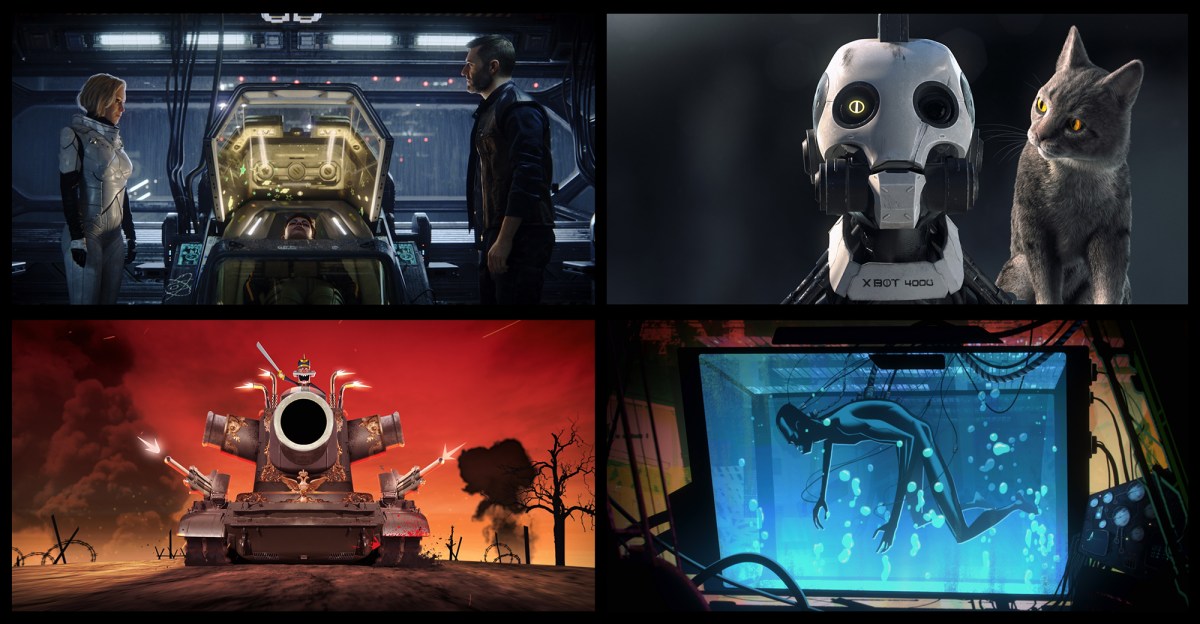
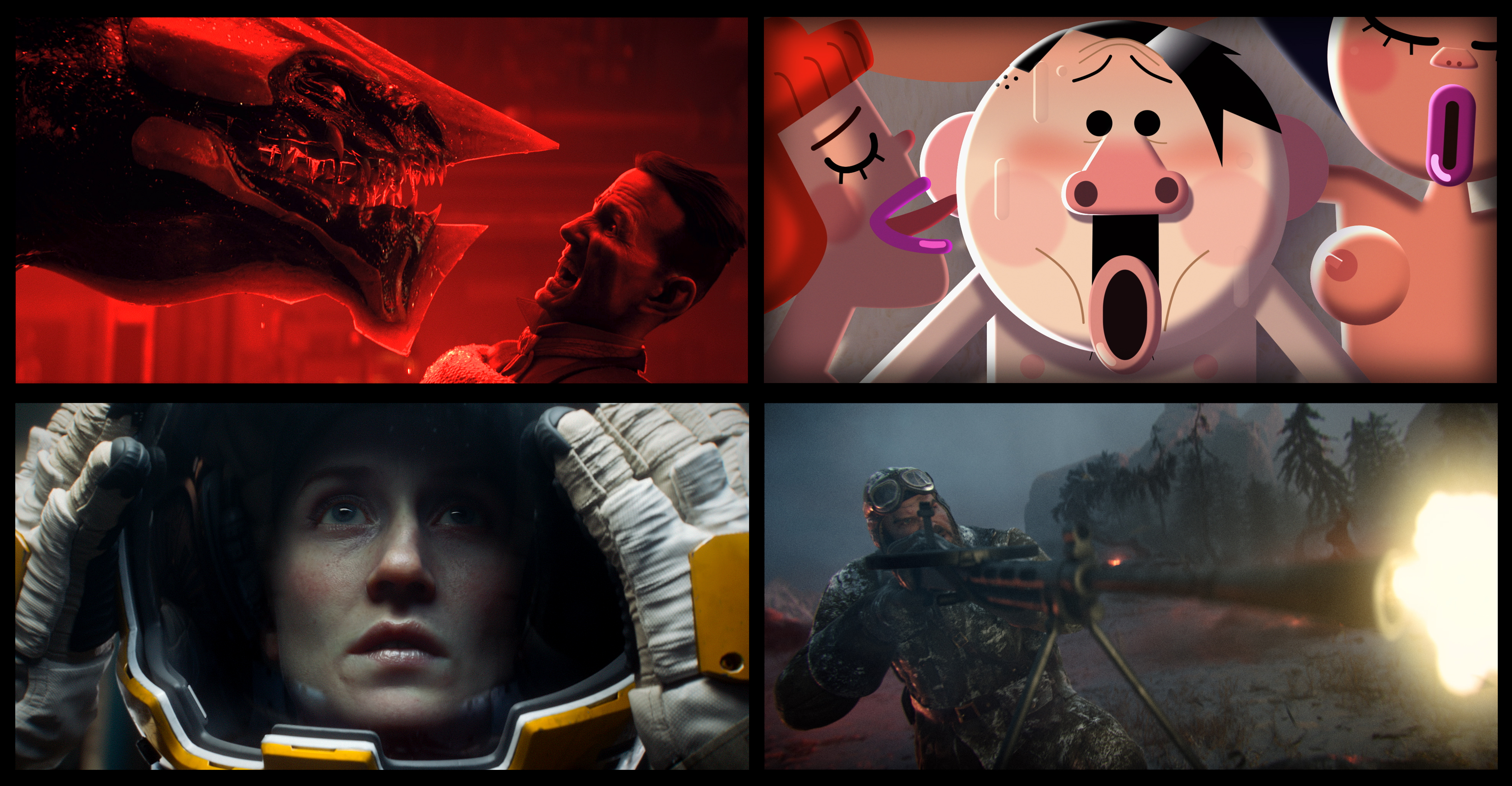
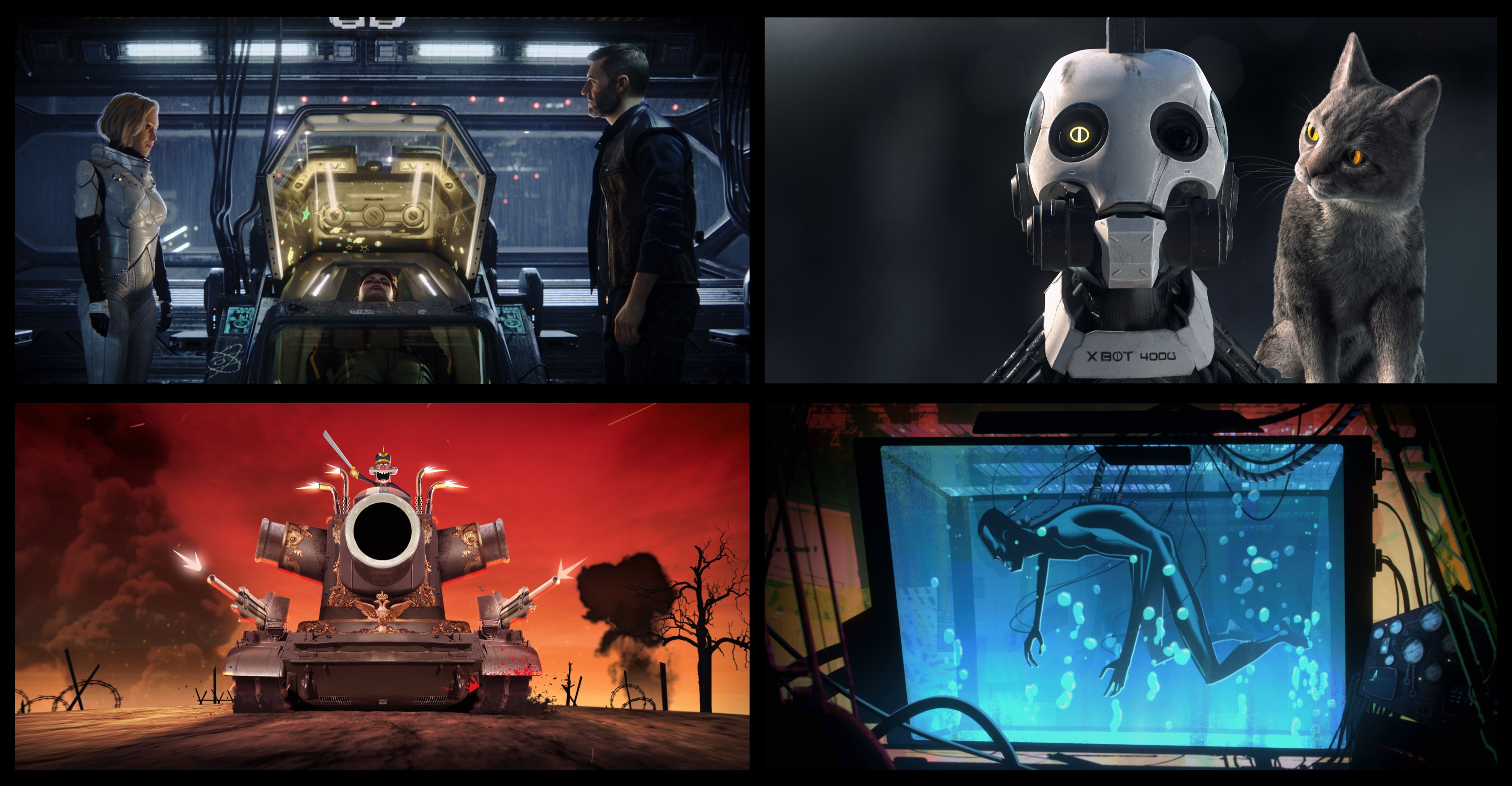
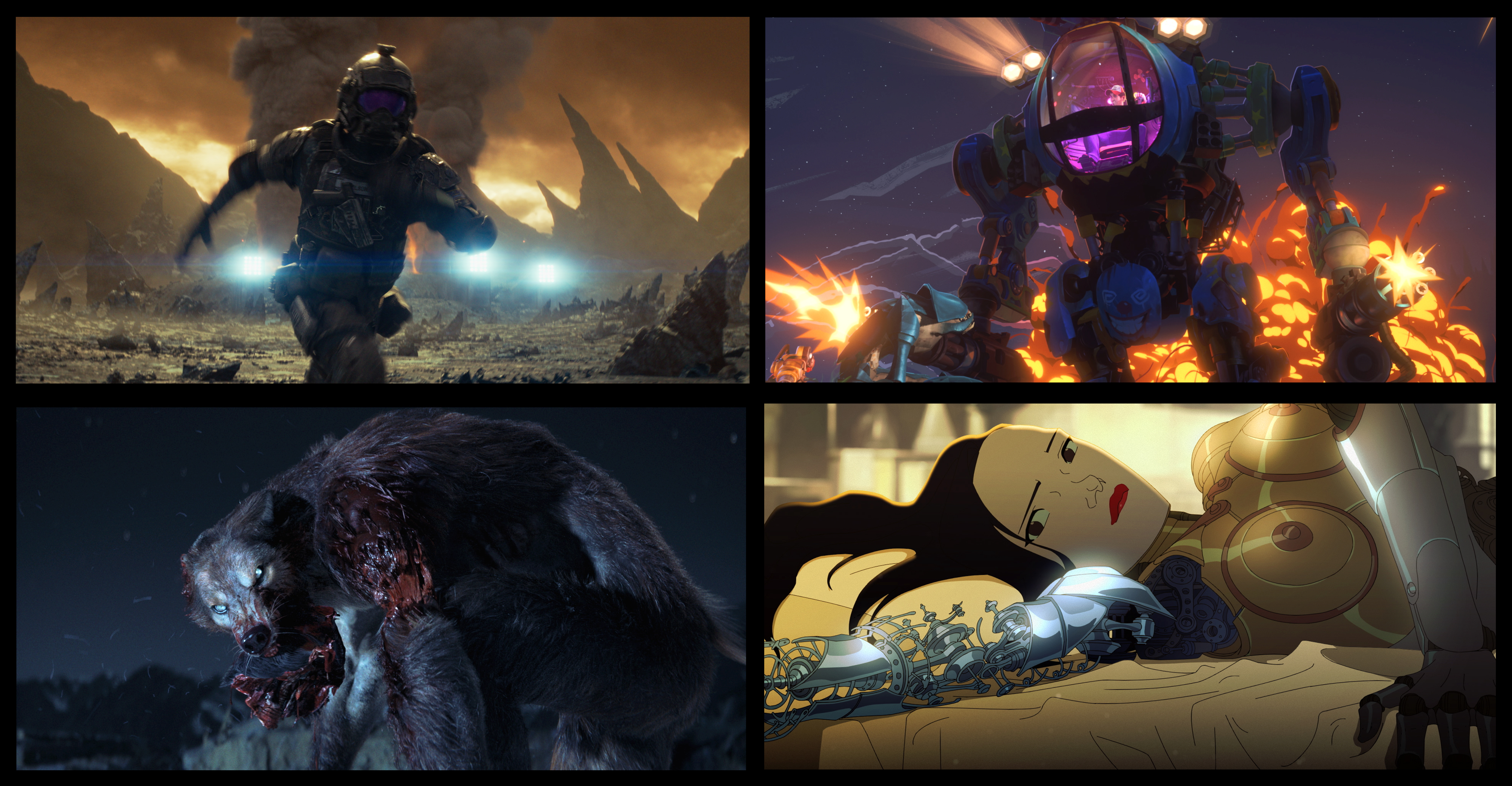
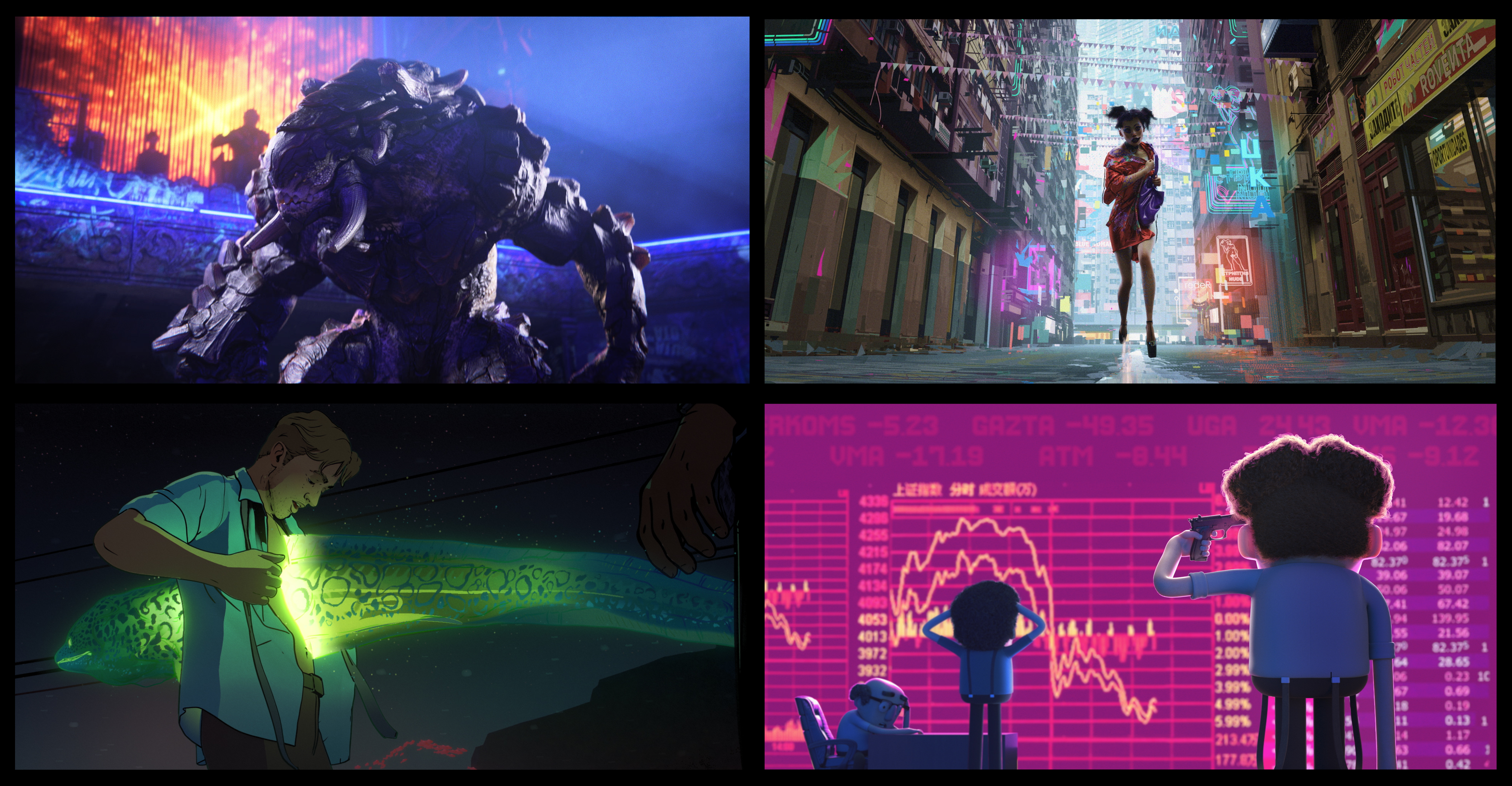
“Love, Death & Robots”: Tim Miller and David Fincher’s Animated Anthology Series for Netflix

Sentient dairy products, werewolf soldiers, robots gone wild, garbage monsters, cyborg bounty hunters, alien spiders and blood-thirsty demons from hell converge in an 185-minute genre orgy of NSFM (not suitable for mainstream) shorts.

January 7, 2019
Netflix

Netflix announces Love, Death & Robots, an animated anthology series presented by Tim Miller (Deadpool, upcoming untitled Terminator sequel) and David Fincher (MINDHUNTER, Gone Girl, House of Cards).

Love, Death & Robots is a collection of animated short stories that span the science fiction, fantasy, horror and comedy genres. With a bold approach to each story’s narrative, episodes are intended to be easy to watch and hard to forget.

The series draws inspiration from the eclectic and provocative genre material that influenced both Miller’s and Fincher’s formative interests in storytelling. Miller says, “Love, Death & Robots is my dream project, it combines my love of animation and amazing stories. Midnight movies, comics, books and magazines of fantastic fiction have inspired me for decades, but they were relegated to the fringe culture of geeks and nerds of which I was a part. I’m so fucking excited that the creative landscape has finally changed enough for adult-themed animation to become part of a larger cultural conversation.”

The production of Love, Death & Robots united a global animation community, calling on the talents and unique perspectives of innovative animation studios, directors and artists from around the world. Eighteen stories in all, each film is painstakingly crafted, charged with a mix of energy, action and unapologetic dark humor.

Executive produced by David Fincher, Tim Miller, Jennifer Miller and Josh Donen, the series brings together world-class animation creators and captivating stories for the first anthology of short animated stories guaranteed to deliver a unique and visceral viewing experience.

Each episode in the series:

  • Is a succinct 5 to 15 minutes in length.
  • Has a unique animation style, from traditional 2D to photo-real 3D CGI.
  • Is created by a different team of filmmakers from around the world.
  • Is aimed at an adult audience.

About Blur Studio

Blur Studio is an award-winning animation production company that creates content for games, films, and television. Founded and led by “Deadpool” director Tim Miller, Blur has roots in making high-end trailers and cinematics for the game industry, visual effects for blockbuster features, and recently led the production of the Netflix animated anthology series “Love, Death & Robots.”

About Netflix

Netflix is the world’s leading internet entertainment service with 130 million paid memberships in over 190 countries enjoying TV series, documentaries and feature films across a wide variety of genres and languages. Members can watch as much as they want, anytime, anywhere, on any Internet-connected screen. Members can play, pause and resume watching, all without commercials or commitments.

Netflix: “Love, Death & Robots”

Love, Death & Robots, will have its world premiere at the South by Southwest (SXSW) Film Festival (March 8–17, 2019. Austin, TX)

Click for a full screen view:

The Curious Development History of ‘Benjamin Button’

Adam Chitwood
January 3, 2019
Collider

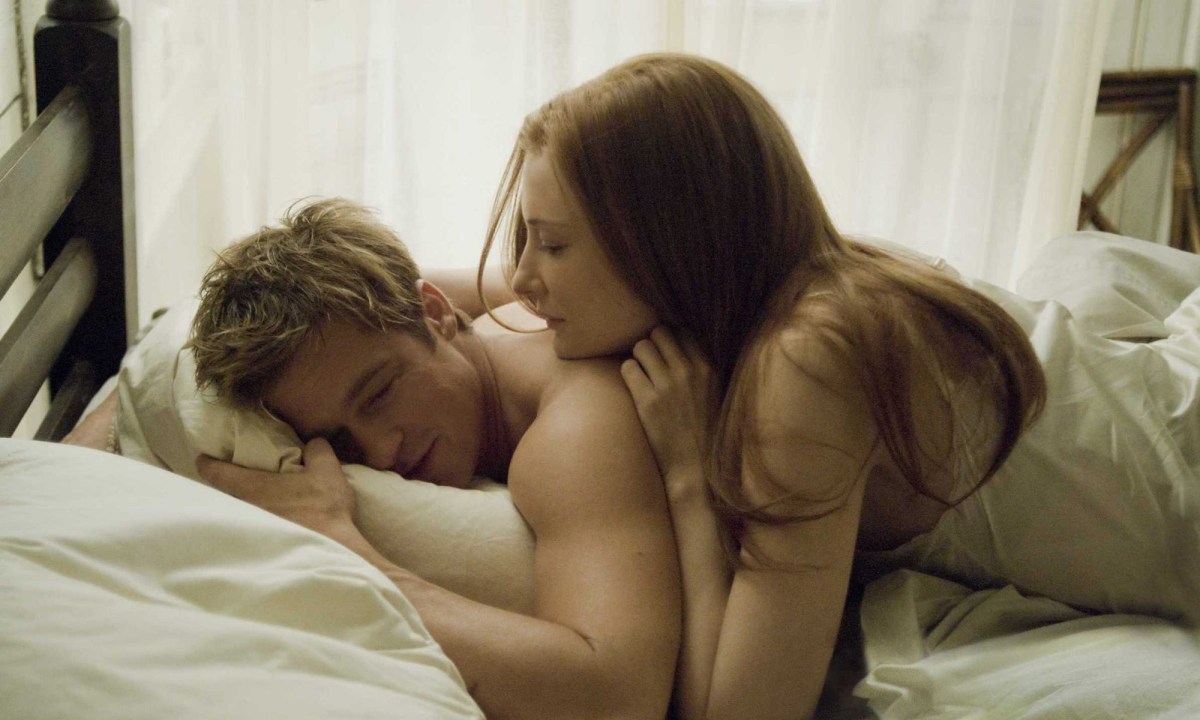
The Curious Case of Benjamin Button is, at first glance, a unique entry in director David Fincher’s filmography. It’s an epic romance of sorts; a sweeping love story told through the ages, one which would appear to be at odds with what many view as a cold and cynical worldview that permeates Fincher’s other films like Se7en, Fight Club, or Zodiac. But upon further inspection, The Curious Case of Benjamin Button fits right in with the rest of Fincher’s darker films, as it’s really the story of a man whose entire life is surrounded by the reminder of death.

Benjamin Button hit theaters on December 25, 2008—almost exactly a decade ago—and was the biggest hit of Fincher’s career until Gone Girl, grossing over $330 million worldwide. It received mostly positive reviews and was nominated for 13 Oscars, winning three for Art Direction, Makeup, and Visual Effects. It almost certainly paved the way for Fincher to next make The Social Network, another successful Oscar-winning film, but actually creating The Curious Case of Benjamin Button was arduous, and the road to getting the film off the ground in the first place was a decades-long journey.

The Curious Case of Benjamin Button itself is based on a short story in an F. Scott Fitzgerald book published in 1922, and the central premise caught Hollywood’s attention in the late 1980s: the story of a man born old who ages backwards and dies young.

The first director attached to the project was Frank Oz, with Martin Short attached to star. But after working on the script for a few months for Universal Pictures, Oz left the project. He couldn’t quite crack how to turn this short story into a compelling drama, as the central premise lacked significant conflict.

So Universal’s president of production at the time, Casey Silver, next turned to screenwriter Robin Swicord, asking her to attempt an adaptation. She turned in a first draft in January 1990 and her contribution was so substantial that on the finished iteration of the film directed by Fincher, Swicord received a “Story by” co-credit.

Read the full article

Mindhunter Season 2 has Wrapped

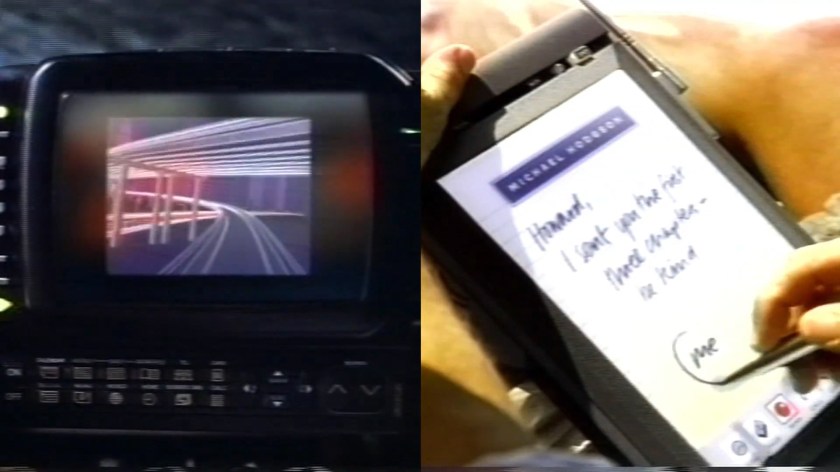
25th Anniversary of the AT&T “You Will” Ad Campaign

AT&T (YouTube)
November 28, 2018

25 Years Ago, AT&T Predicted the Future We’re Living Now

      Matt Stevenson
      November 25, 2018
      Wired

How AT&T Predicted the Future In 1993

      November 25, 2018
      Wired

Watch the original campaign:

1993. AT&T – You Will (series)

5 Visual Aesthetics of David Fincher’s MINDHUNTER: A Video Essay

Vashi Nedomansky
November 28, 2018
VashiVisuals

“I thoroughly enjoyed the visual sensibilities and filmmaking techniques used in the first season of  Mindhunter on Netflix. Here are 5 of my favorite cinematography and film editing techniques that I feel made it a very distinctive show. Created and directed by David Fincher, he used many of the stylistic choices from his feature films such as dark cinematography and glass-like camera movement but also added some new tools to his arsenal as well.”

More by Vashi Nedomansky:

All 25 Subliminal Shots in David Fincher’s MINDHUNTER Title Sequence