
February 8, 2026
Netflix
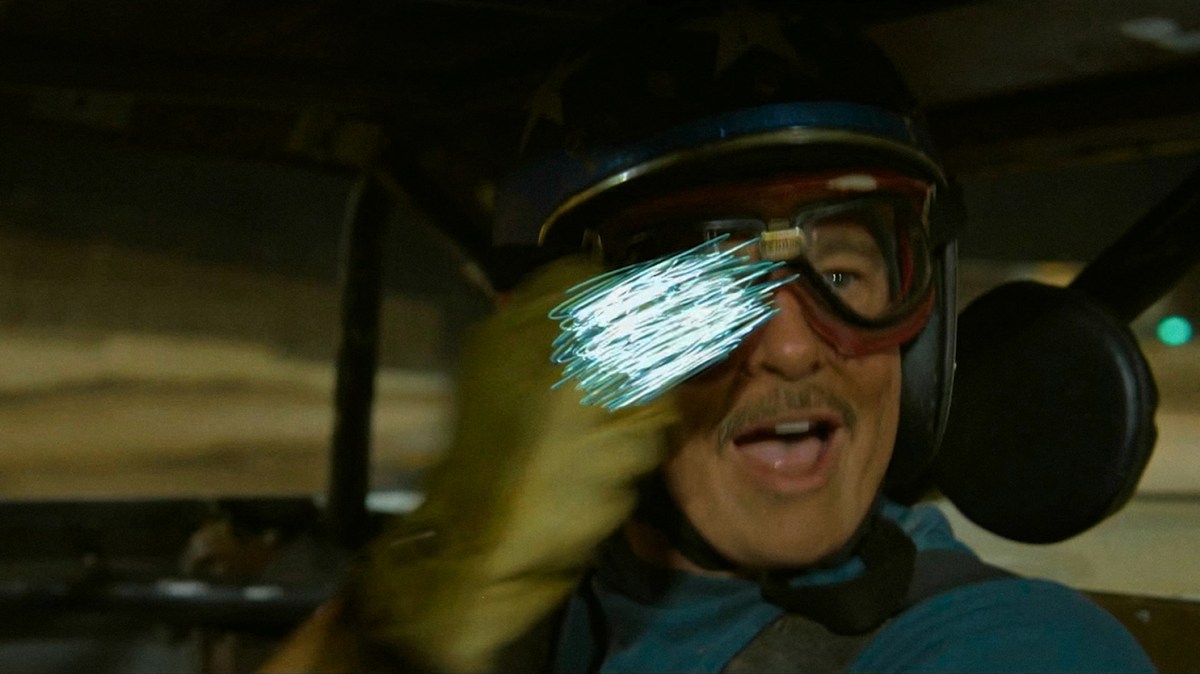
The Adventures of Cliff Booth
Starring Brad Pitt. Written by Quentin Tarantino. Directed by David Fincher
Coming soon to Netflix
February 8, 2026
Netflix
The Adventures of Cliff Booth
Starring Brad Pitt. Written by Quentin Tarantino. Directed by David Fincher
Coming soon to Netflix
How he cut A House of Dynamite for Kathryn Bigelow and what it’s like to work with a new Director.
Jonny Elwyn
February 3, 2026
Cut/Daily
A conversation about Kathryn Bigelow’s “A House of Dynamite” (and David Fincher’s “The Adventures of Cliff Booth”).
Kirk Baxter, ACE, has cut for David Fincher since The Curious Case of Benjamin Button (2008), picking up two Oscars (The Social Network, The Girl with the Dragon Tattoo) and a nomination () along the way. He’s also maintained a successful and sought-after commercials editing business the whole time.
Interestingly enough, it was editing her commercial that connected him to Kathryn Bigelow, director of his latest film, A House of Dynamite.
In this special issue of Cut/Daily Meets… you get to hear from the man himself, as I was fortunate enough to chat with him in person, in the middle of his work day on The Adventures of Cliff Booth, Fincher directing Tarantino’s script as a sequel/spin-off/connection to Once Upon a Time in Hollywood.
Highlights from Kirk’s interview:
Introduction
Kirk’s Location & Current Projects
The Film’s Ending & Political Message
What Did the Dailies Look Like?
Split Screens vs. Found Footage Approach
Editing the Missile Countdown Scenes
The Three Acts & Secretary Baker’s Face
Matching Audio Across Different Chapters
Working with Score & Kathryn’s Initial Reaction
The Composer Process & Volker Bertelmann
How Do You Decide When Music Comes In?
Creating the Chapter Title Cards
What Was It Like Working with Kathryn Bigelow?
How Do You Choose Your Projects?
Cutting Commercials Between Films
Evolution as an Editor & Avoiding Showiness
Do Oscar Wins Change Imposter Syndrome?
Editing Animation for Love, Death & Robots
The IMDb Holiday Reunion Credit
Future Projects & David Fincher’s Next Film
If you like deepening your knowledge about Post-Production, you’ll love Cut/Daily, my free weekly newsletter for Post Pros. Sign up for free at cut-daily.com.
Follow me on: Ex-Twitter, Facebook, LinkedIn
Jay Glennie
October 16, 2025
Deadline
Editor’s note:
From the moment 1992’s Reservoir Dogs launched him like a supernova, Quentin Tarantino‘s career was intertwined with Harvey and Bob Weinstein. From Pulp Fiction to Inglourious Basterds, Kill Bill and the rest, Tarantino stayed monogamous as their cornerstone auteur until The Weinstein Company imploded and it was time for him to seek a new studio to hang his hat. This created the most hotly contested courtship Hollywood had seen in years.
In a chapter from his new book The Making of Quentin Tarantino’s Once Upon a Time in Hollywood (Insight Editions), out October 28, author Jay Glennie details the seduction process and how Tom Rothman‘s passion — which included ensuring Tarantino retained the deal he had across all his films (including Django Unchained which Sony released internationally), that gives him back his copyright after 20 years — won Sony not only that global hit movie, but also most likely the 10th and final film Tarantino is working on now.
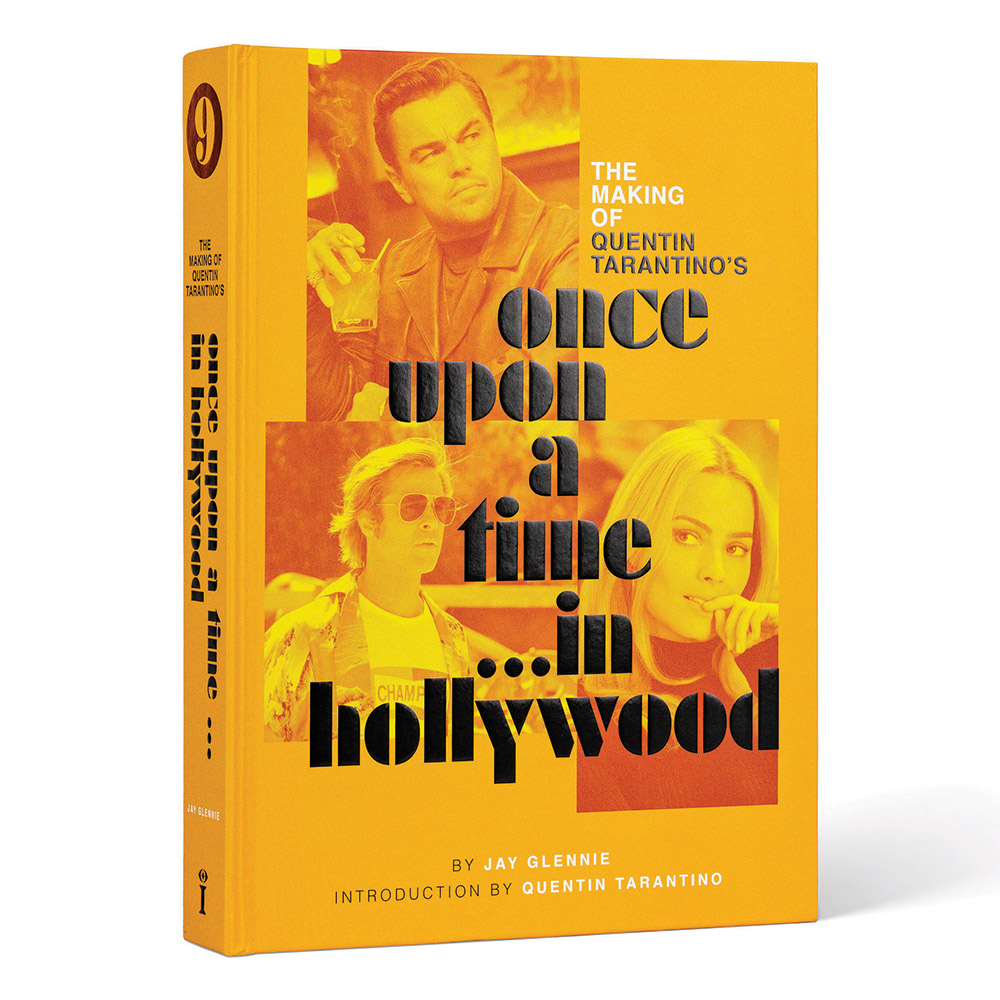
In an exclusive excerpt from the revealing new book ‘The Making of Quentin Tarantino’s Once Upon a Time… in Hollywood,’ the film’s director and stars Leonardo DiCaprio, Brad Pitt and Margot Robbie explain how they took L.A. back to the summer of ’69.
The following is excerpted from The Making of Quentin Tarantino’s Once Upon a Time in Hollywood (Insight Editions), out October 28.
Jay Glennie
September 19, 2025
The Hollywood Reporter
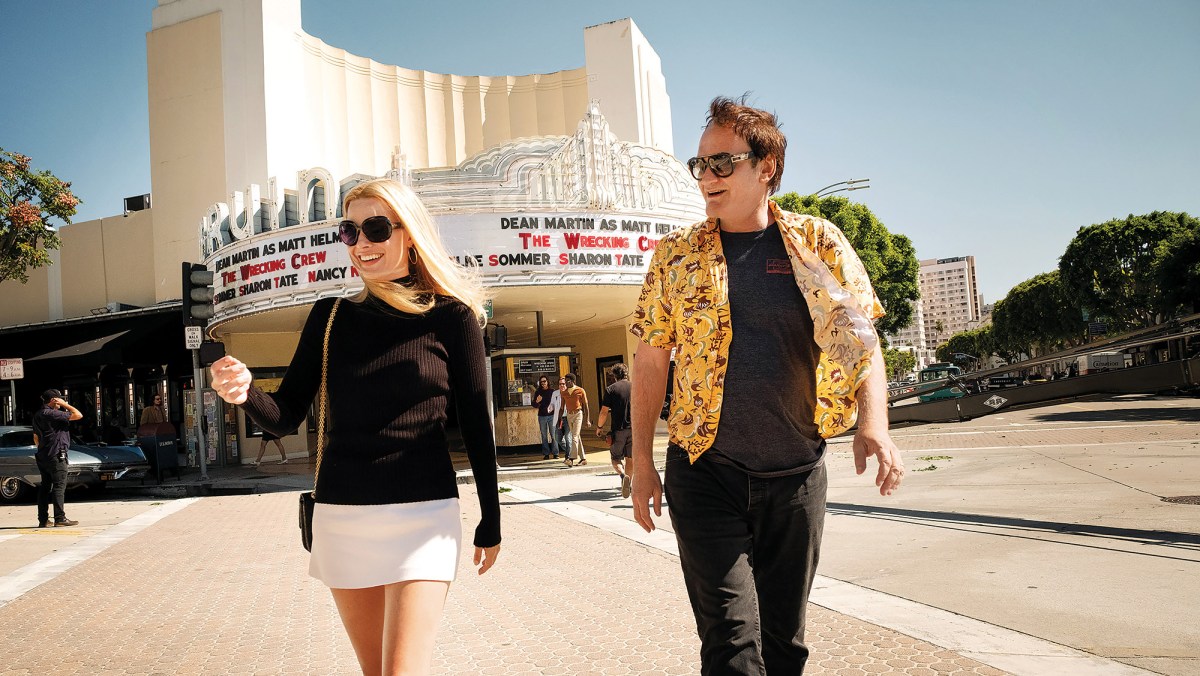
“Rick, how are you doing with getting Hollywood Boulevard for me?” Quentin asked his location manager, Rick Schuler. “I’m doing well,” Schuler replied.
Quentin looked at his first assistant director, Bill Clark, and looked at Schuler. “Doing well” was not going to cut it. Once Upon a Time in Hollywood was a Los Angeles story, a Hollywood story, and it needed to be filmed in Los Angeles. It needed Hollywood as a backdrop. He wanted to convert Los Angeles back to 1969 — “You know, literally street by street, block by block.”
Schuler had been in discussion with the California Film Commission for weeks. Under Quentin’s gaze, he admitted, “Well, I think I’m 80 percent there.”
“Rick, if there’s anything I can do to help you out, I’ll be willing to do that,” Quentin replied.
Production designer Barbara Ling was also anxious to know what it was she was going to be working with. Schuler had been asking the Hollywood powers that be, responsible for the economic success of their city, to shut down eight blocks.
“They had been, like, ‘Eight blocks? No way!’ and had said no a hundred times,” Ling recalls. “I also remember, eight blocks was freaking out the producers budget-wise.”
Schuler had an idea how he could utilize the filmmaker’s extraordinary enthusiasm and will to best use. He had an idea he wanted to run by Bill Clark: Schuler had a meeting with the Hollywood neighborhood council. Would Quentin be willing to address them — just talk about the project? Talk about the movie, what Hollywood meant to him? It could help get things over the line.
The day of the meeting, Schuler sprung it on Quentin and Clark that he wanted to make the filmmaker the surprise star act of his pitch and have him come in at the end. Nobody on the council would know he was there beforehand.
“For whatever reason, Rick thought it would be best if he kept Quentin a surprise to the council members,” Clark says.
Reverend Scott K
August 15, 2025
The Church of Tarantino
The Church of Tarantino is a podcast channel with weekly shows dedicated to discussing every and anything related to the films of Quentin Tarantino. One of our 4 unique monthly series drop an episode every Friday. Ranking Tarantino (1st Friday of the month), The Bible Study (2nd Friday of the month), Inglourious Blue Balls (3rd Friday of the month) & Tarantinoesque Film Review (4th Friday of the month). Whether we’re ranking various aspects of his films, dissecting his scenes, discussing all the projects he’s announced, or reviewing films that are like his, there’s something for every QT fan.
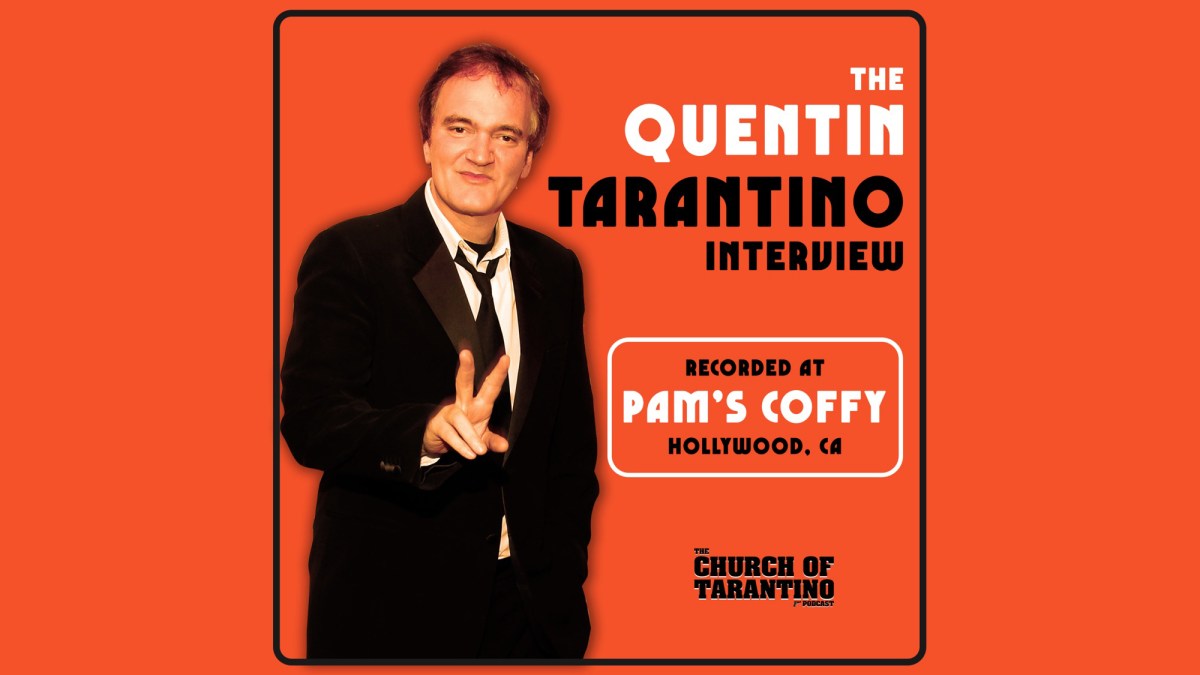
For this episode, join the Reverend inside Pam’s Coffy, for his first ever sit down with Mr. Quentin Tarantino, as they discuss the cancellation of The Movie Critic, the origin of The Adventures of Cliff Booth, why he handed it to Brad Pitt and David Fincher, his “favorite director”, what his next project is going to be, why Kill Bill: The Whole Bloody Affair is still unavailable to the public, the brilliance of the late great Michael Madsen and so much more, including the question he’s been dying to ask for over 2 and a half years: “What ever happened to the Untitled TV Series?” This is a must-listen for true Tarantino fans.
 The Fincher Analyst