‘Mank’ VFX: How David Fincher Directed the Scene-Stealing Stars of the Hearst Castle Zoo

Fincher provided meticulous notes to Industrial Light & Magic on how the monkeys, giraffes, and elephants should look and perform.

Bill Desowitz
February 3, 2021
IndieWire

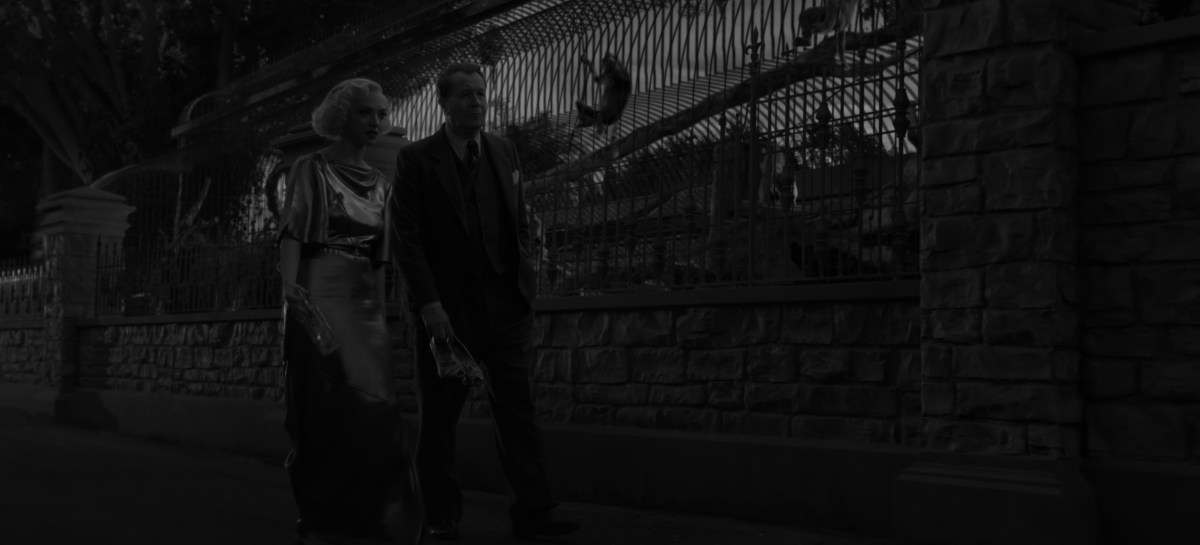
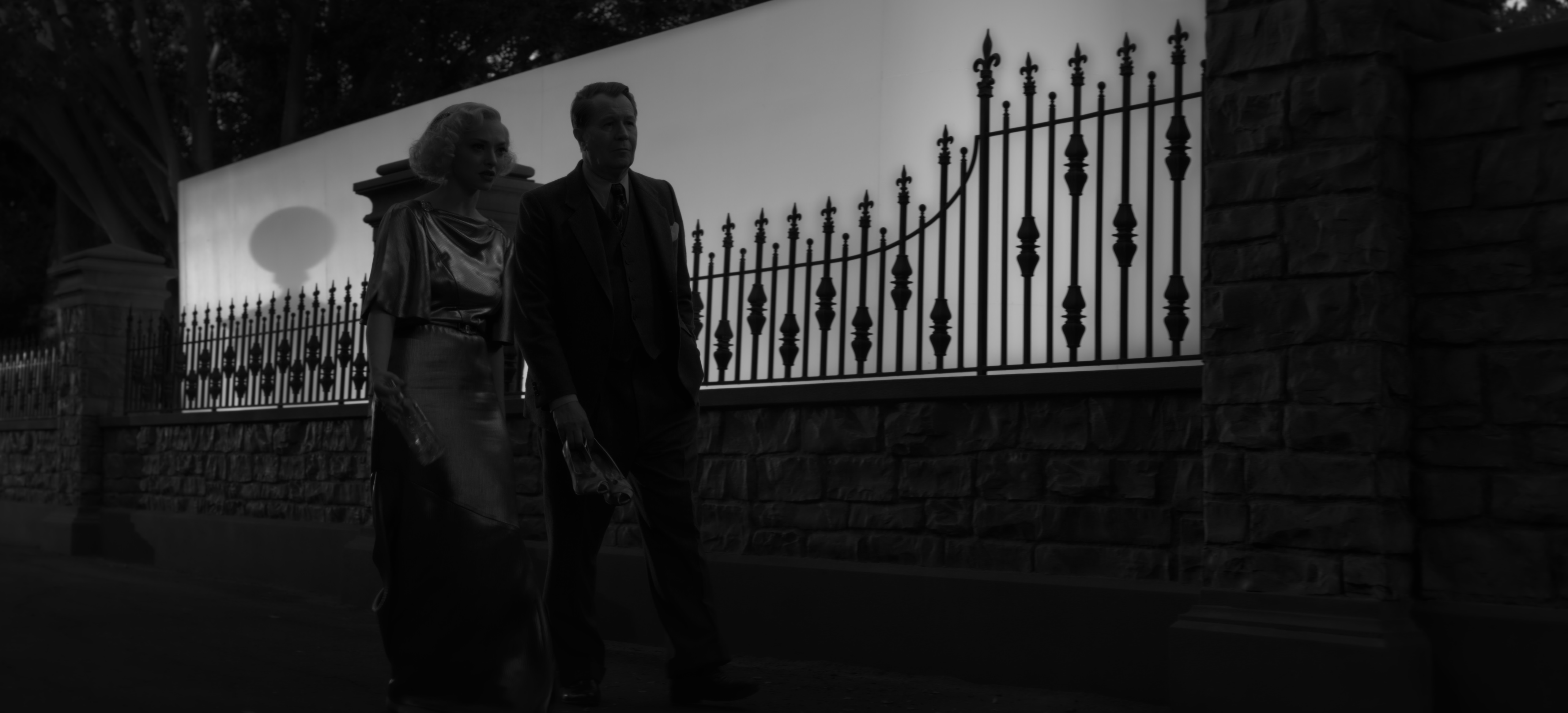
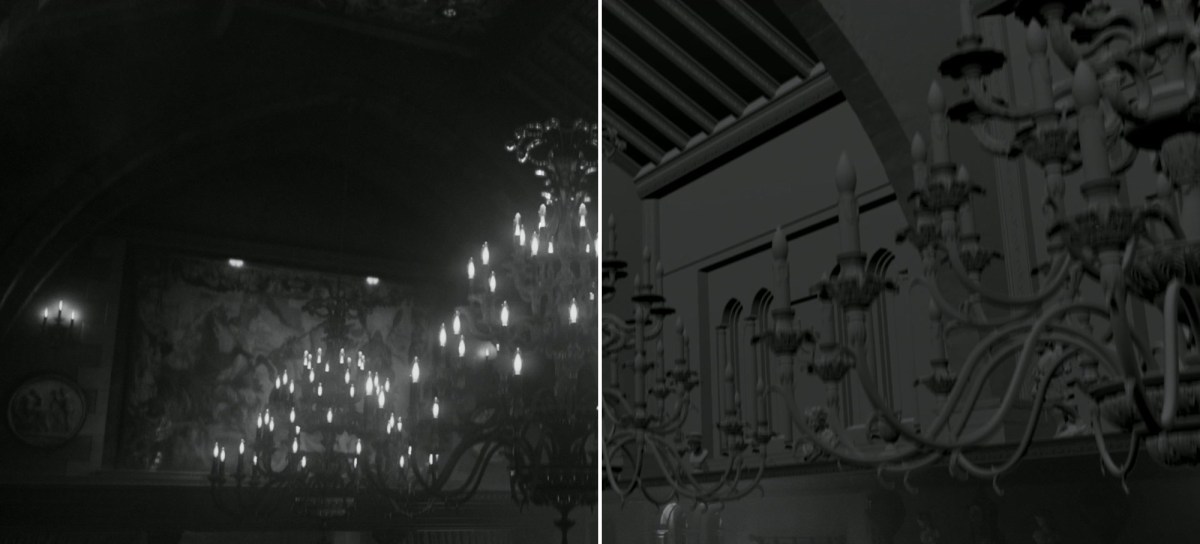
While the “Mank” visual effects team meticulously recreated ’30s-era LA in black-and-white (utilizing the matte paintings of Artemple, Territory’s LED rear screen projection, and Savage’s sky replacement with the Unreal engine), David Fincher took a special interest in directing the photo-real CG animals from Industrial Light & Magic that inhabit the Hearst Castle private zoo.

In a brief but memorable series of exchanges with the animals during their chatty moonlight stroll, Mank (Gary Oldman) and Marion Davies (Amanda Seyfried), are definitely upstaged by the scene-stealing Capuchin monkeys, elephants, and giraffes. “David wanted specific performances from all the animals,” said ILM VFX supervisor Pablo Helman (“The Irishman”). “He wanted the [four] monkeys to be agitated, the giraffes to spring in a certain way, and the elephants to have a response.”

Read the full profile

Going with the Grain to Capture the 1930s Black-and-White-Film World of Mank

Trevor Hogg
February 2, 2021
VFX Voice (VES)

A consistent entry on the greatest of all-time films is Citizen Kane, which is famous for innovative filmmaking, having been inspired by the life of American media mogul William Randolph Hearst and serving as the Hollywood debut of wunderkind Orson Welles. Just as legendary is the behind-the-scenes turmoil, in particularly Hearst attempting to derail the project and the careers of those involved. There were also accusations that Welles did not deserve a screenwriting credit as the true author was Herman J. Mankiewicz.

The script controversy captured the attention of journalist Jack Fincher who wrote an initial draft 30 years ago that was furthered developed by his son, David Fincher, best known for directing SevenFight ClubZodiac and The Social Network. The Netflix production of Mank stars Gary Oldman, Amanda Seyfried, Lily Collins, Arliss Howard, Tuppence Middleton and Charles Dance.

Over the course of his career, Mank co-producer and VFX Producer Peter Mavromates (Mindhunter) has frequently collaborated with Fincher as a post-production supervisor. “There is a high level of consistency in our post team, so we get to have that conversation about how we can do it better the next time.”

Visual effects and DI are done in-house. “When we’re doing tests during pre-production,” Mavromates says, “a lot of the time they are shot in the parking lot and we bring the files right into the DI in the building. How awesome is that kind of feedback for Erik Messerschmidt [Raised by Wolves], our DP, and David Fincher to be able to play with something, see it, test it, bend it, and then go back out and try an alternative version right away? That’s valuable. That’s also the advantage to having in-house visual effects, which is having the ability not to be on the clock. I can call David upstairs where our visual effects are and say, ‘I want you to look at these three shots.’ I can give feedback to the artist right there, and maybe the artist can immediately do his note and get him to sign off. I think of David as the visual effects supervisor and I am the supervisor on some of the more technical stuff, like retouches.”

Read the full profile

The Audio Design Hacks That Made Mank Sound Like Citizen Kane

Ren Klyce had to experiment with a lot of new ideas to make David Fincher’s movie sound old.

Angela Watercutter
February 2, 2021
Wired

During the COVID-19 pandemic, very few cinephiles have seen the inside of a theater, let alone a grand old one like the Castro Theater in San Francisco or the Paramount in Austin, Texas. Yet those who have recently watched Mank, David Fincher’s biopic about Citizen Kane screenwriter Herman J. Mankiewicz, might’ve noticed—or, more specifically, heard—something that felt old, something that sounded like it was coming from a 1930s theater, even if they were streaming the movie on Netflix. It’s eerie—and completely intentional.

With Mank, Fincher wanted a movie that not only looked but also sounded like the films produced in Hollywood during Mankiewicz’s era in the 1930s and ’40s. To do that, he shot the film in black and white (of course), and also enlisted the help of sound designer Ren Klyce, who came up with a method to create an aural “patina” that made all the dialog, all the ambient noises, and the score sound as though they were created using the methods of Golden Age pictures. “We came up with the technique by analyzing the sound spectrum of old-fashioned movies,” Klyce says, “and of course Citizen Kane was one that we modeled, and we kind of realized that that film sounded the way it did because of the limitations of the technology.”

Read the full profile and watch a featurette
Gigi Williams On Fighting Her Inner Makeup Minimalist for ‘Mank’

Photo by Nikolai Loveikis

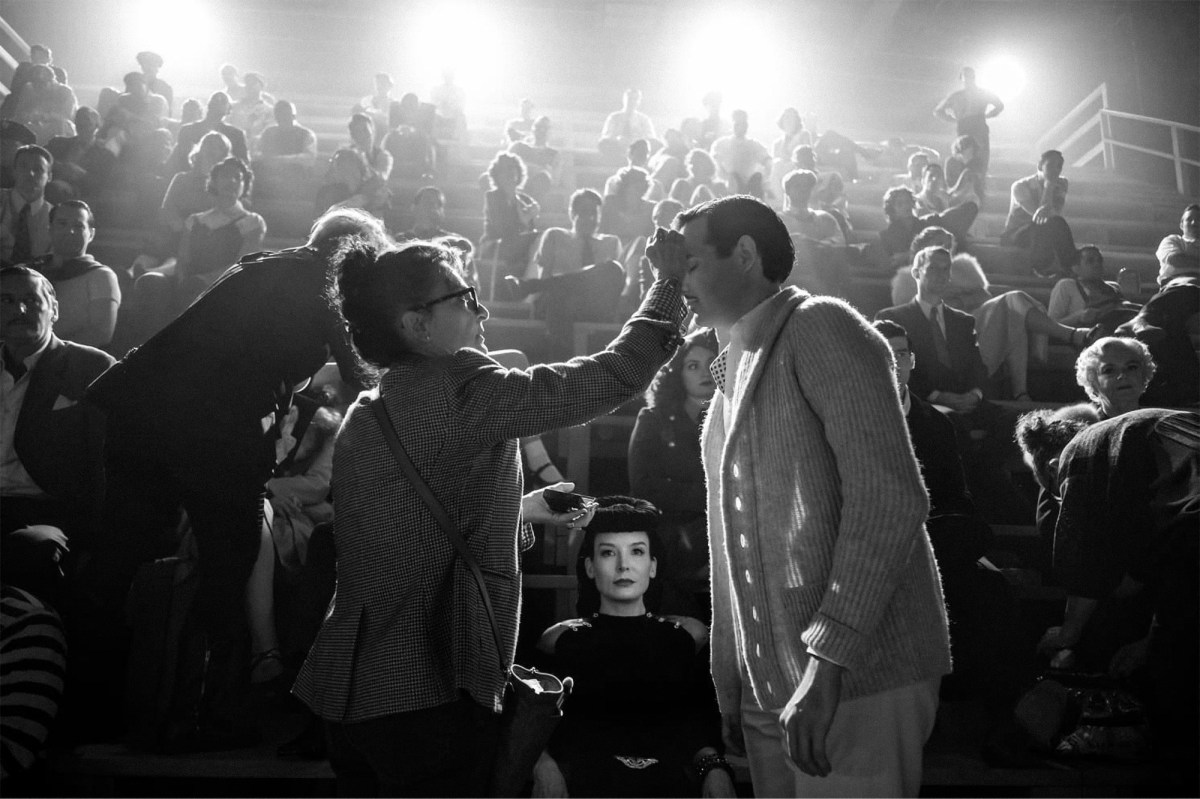
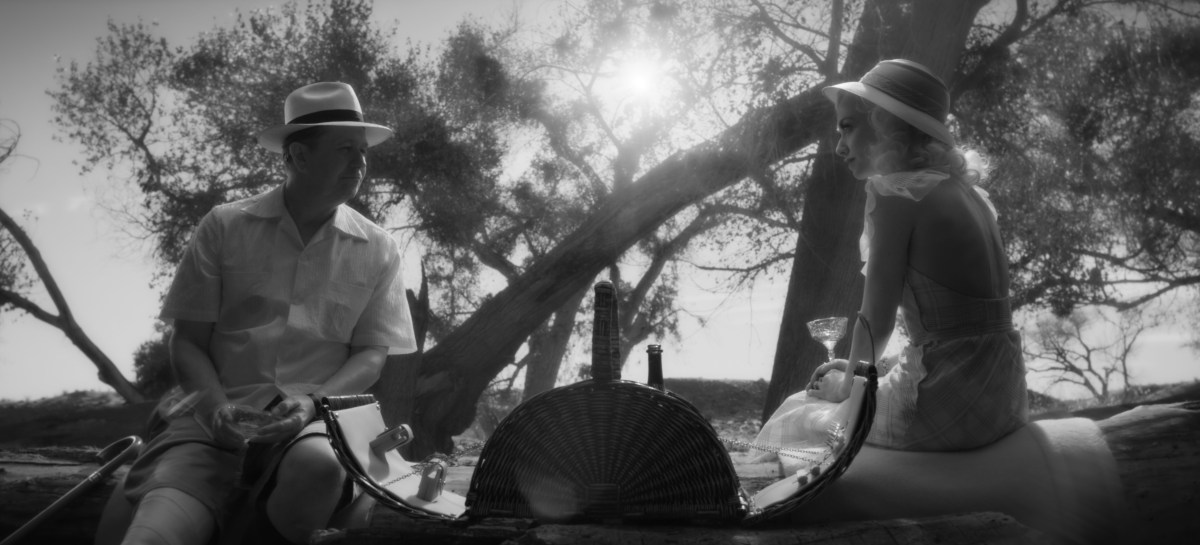
She prefers a lighter touch in makeup, but the black and white style of David Fincher’s Mank demanded much, much more.

Clarence Moye
February 2, 2021
Awards Daily

By now, the crafts behind Mank are approaching legendary status. Each department needed to retrain their eye, rethink their typical approaches, to create the gorgeous designs for David Fincher’s black and white period film. Makeup department head Gigi Williams was certainly no exception.

Williams, who last worked with Fincher on Gone Girl, calls herself a subtle makeup artist. Her designs typically eschew loud, broad strokes in favor of a more subtle approach.

But a subtle approach would not work with the film’s black and white palate.

“For me, I had a lot of dark gel in men’s eyebrows. I used black mascara on every single man, and I piled it on because that’s how they looked in their photographs for the period. Even though they weren’t wearing mascara, but was the only way I could recreate that look,” Williams shared. “I found myself really having to push myself to a place that I wasn’t comfortable with which was a lot of makeup, oddly enough.”

Read the full profile
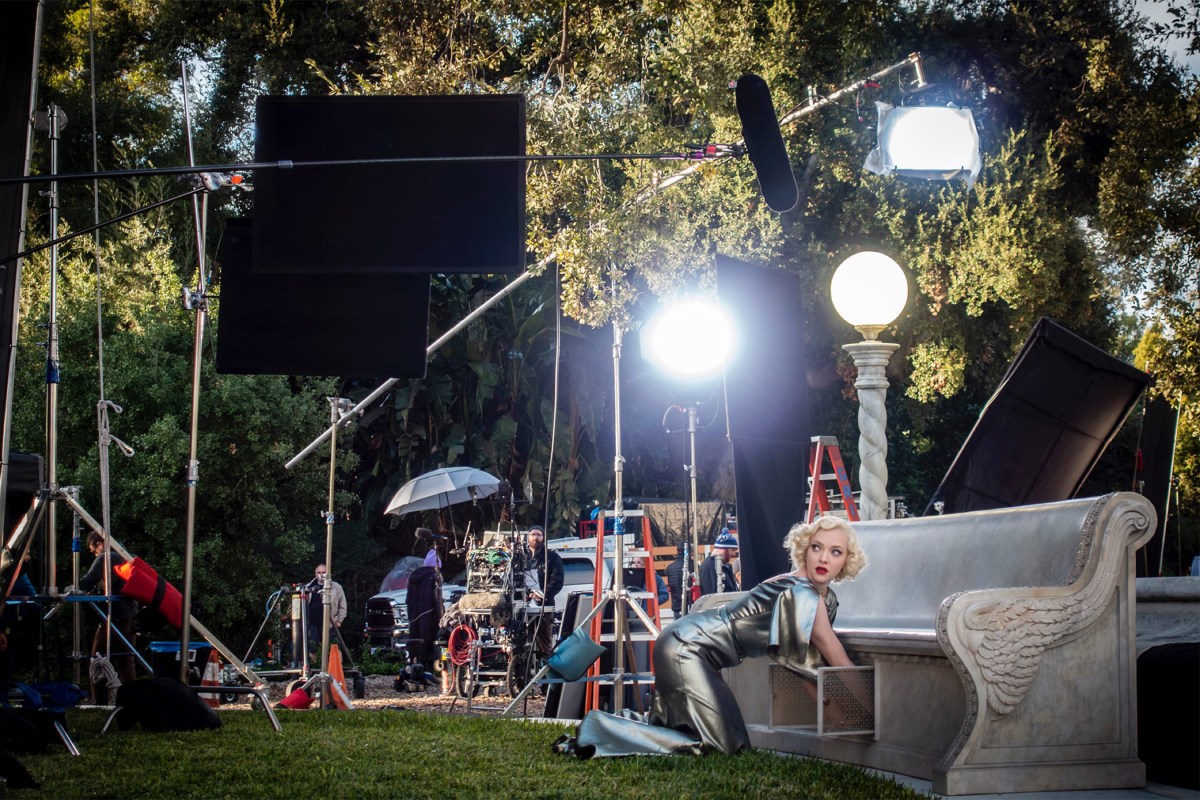
Homage to the Golden Age

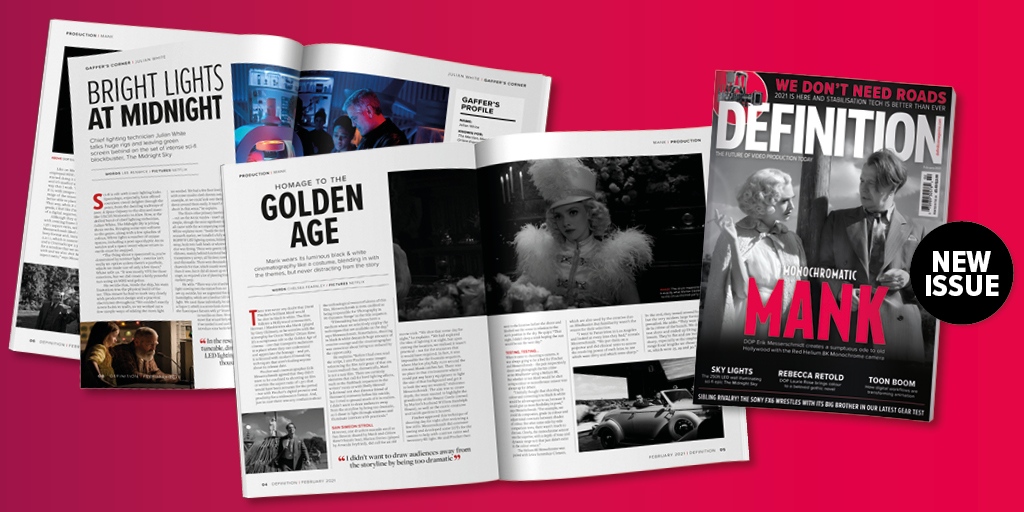
Mank wears its luminous black & white cinematography like a costume, blending in with the themes, but never distracting from the story

Chelsea Fearnley
February, 2021
Definition Magazine

There was never any doubt that David Fincher’s brilliant Mank would be shot in black & white. The film follows a Hollywood screenwriter, Herman J Mankiewicz aka Mank (played by Gary Oldman), as he wrestles with the screenplay for Orson WellesCitizen Kane. It’s a sumptuous ode to the Golden Age of cinema – one that transports audiences to a place where they can understand and appreciate the homage – and yet, it is littered with modern filmmaking techniques that aren’t fooling anyone about its release date.

Fincher and cinematographer Erik Messerschmidt agreed that they didn’t want to be confined to shooting on film or within the aspect ratio of 1.37:1 that would have been accurate for the period – not with Fincher’s digital prowess and proclivity for a widescreen format. And, just in case there was any confusion about the technological resourcefulness of this film, Messerschmidt is even credited as being responsible for ‘Photography in Hi-Dynamic Range’ in the title sequence.

“Filmmaking has always been a medium where we selectively employ the techniques that are available on the day,” says Messerschmidt. Nonetheless, shooting in black & white demands huge amounts of creative courage and the cinematographer was conscious about being too seduced by the opportunity.

He explains: “Before I had even read the script, I sent Fincher some images referencing the film noir genre of that era. I soon realised that, thematically, Mank is not a noir film. There are certainly elements that call for hard lighting effects, such as the flashback sequences in the writers’ room or with Shelly Metcalf [a fictional test shot director friend of Herman’s] moments before his suicide, but I tried to ground much of it in realism. I didn’t want to draw audiences away from the storyline by being too dramatic, so I chose to light through windows and illuminate interiors with practicals.”

Read the full magazine

VES: Inside the Visual Effects of the Netflix Film Mank

Gavin Graham, VES Board Secretary
January 1, 2021
VES (Visual Effects Society) (Facebook, Twitter)

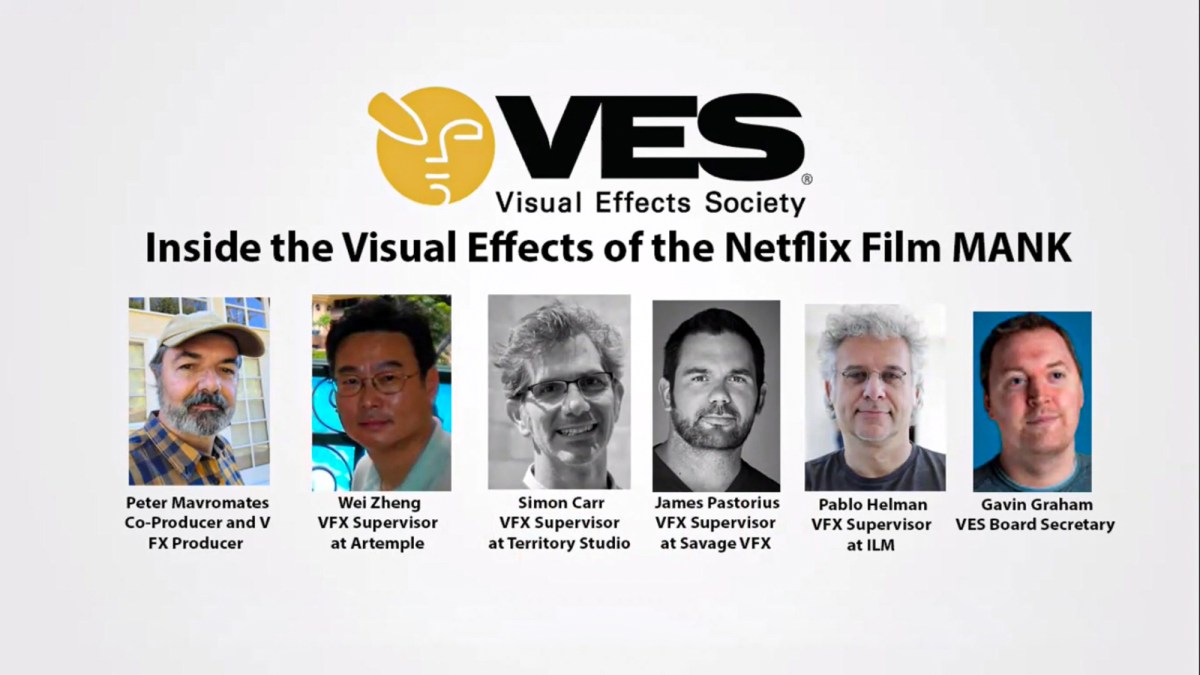
Panelists include Co-Producer and VFX Producer Peter Mavromates, VES Award nominated Visual Effects Supervisor at Artemple Wei Zheng, Visual Effects Supervisor at Territory Studio Simon Carr and HPA Award nominated Visual Effects Supervisor at Savage VFX James Pastorius and VES Award-winning Visual Effects Supervisor at ILM Pablo Helman, moderated by VES Board Secretary Gavin Graham.

David Fincher’s ‘Mank’ Production Designer on Recreating Hollywood’s Golden Era

Jazz Tangcay
February 1, 2021
Variety

David Fincher’s “Mank” is a visual feast. Shot in black and white, Fincher takes audiences back to the glorious days of Hollywood, as screenwriter Herman J. Mankiewicz pens the screenplay to Orson Welles’ “Citizen Kane.”

Production designer Donald Graham Burt is receiving awards buzz for his work on the film. Burt worked closely with costume designer Trish Summerville to translate color into black and white.

Their secret? Using iPhone filters to see how the colors worked. Burt also relied on the camera monitor a lot.

And when it came to translating wealth and recreating the big sets such as the lavish Hearst Castle home of William Randolph Hearst, Burt says, “It was about emulating instead of replicating.”

Read the full profile
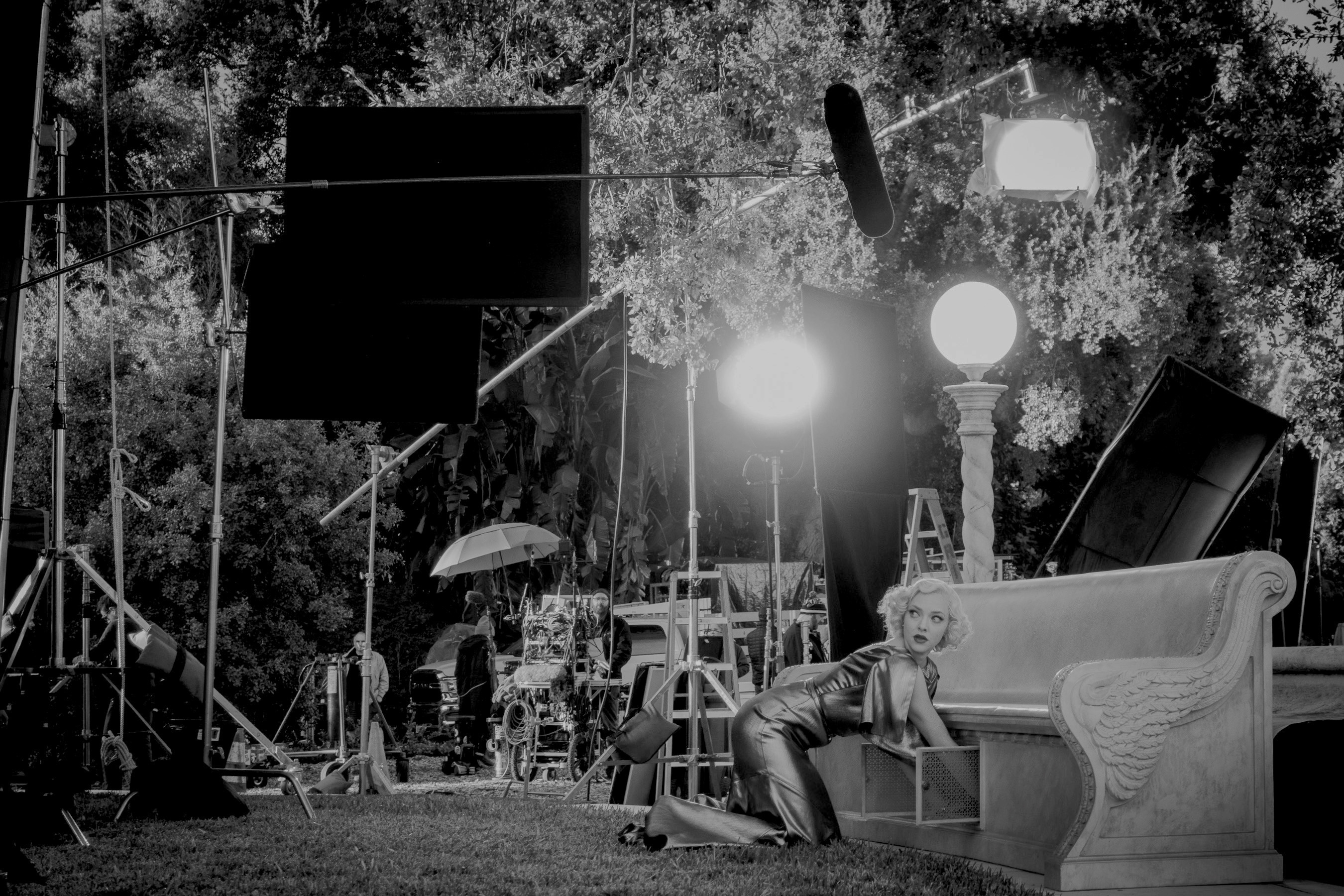
Designing Eye-popping Costumes for the Black & White ‘Mank’

Costume designer Trish Summerville’s extraordinary designs bring classic Hollywood to vivid life in gorgeous black and white.

Clarence Moye
February 1, 2021
Awards Daily

When designing specific looks for Mank’s iconic characters, Summerville had ample research material available to her. For Marion Davies (Amanda Seyfried), she used Davies’ book and publicity stills of the era to design her outfits. She mostly avoided mimicking historic photos directly, using them as a jumping off point instead.

Mostly.

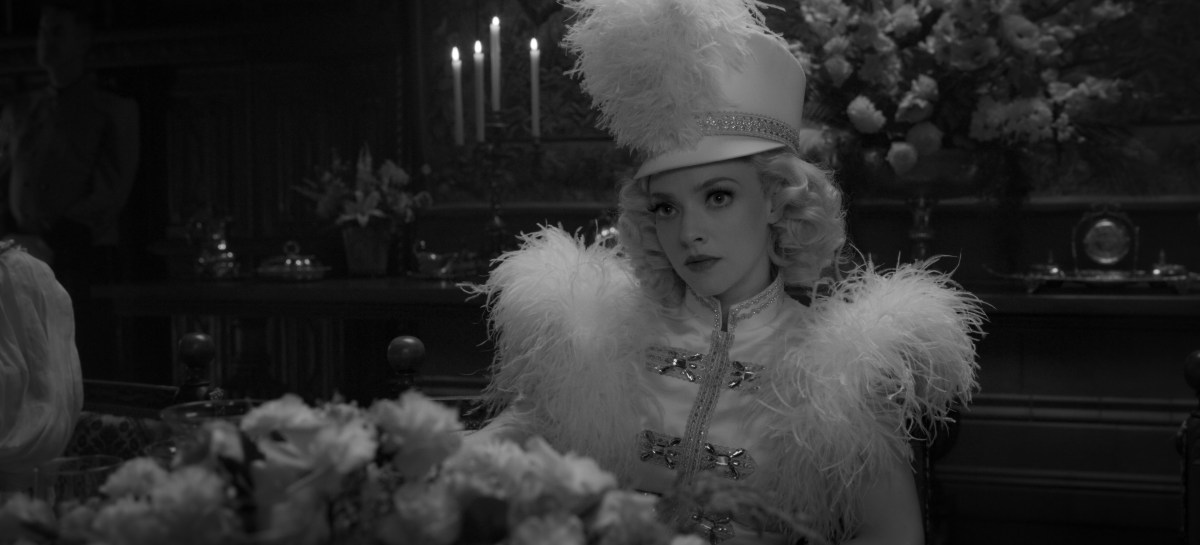
There were two Marion Davies’ looks in the film directly pulled from historic photos: her famous circus party costume and her “going away” look as she leaves MGM.

“One of the items that I did mimic, besides the circus party costume was a picture of her in a coat with a fur collar, standing on the side of a car like she’s departing. That was an inspiration for me for the scene where she departs MGM,” Summerville revealed. “Mayer gives her the bouquet of flowers and sends her on her way. So I wanted to have this really beautiful coat where we used faux fur for the collar and had a big diamond brooch on her. There were a few areas that I did pull from her real life, and that I got inspired by.”

Read the full profile

Right On Hue

Photo by Nikolai Loveikis

David Fincher’s black-and-white tribute to Old Hollywood took a radically different approach to the role of color in design.

January 29, 2021
Netflix Queue

In the annals of Hollywood, Herman Mankiewicz will forever be remembered as the screenwriter of Orson Welles’s towering classic Citizen Kane, but his impact on the history of cinema doesn’t stop there. Mankiewicz also served as an early, uncredited writer on The Wizard of Oz. His contribution? Suggesting that once Dorothy Gale travels over the rainbow, the film transitions from black and white to glorious Technicolor. “He walked away from that [project] saying, ‘This is all I can come up with,’” laughs director David Fincher. “It might be the greatest special effect in the history of the movies.”

For Mank, Fincher’s backstage drama about the screenwriter’s life and his work on Kane, the director and his creative team journeyed from a world of color to one rendered entirely in black and white, shooting eye-catching sets and costumes with the RED 8K Helium Monochrome camera. That created an interesting artistic puzzle for Fincher and his collaborators to solve. From cinematography and production design to costumes and hair and makeup, each department needed to determine the best way to manipulate color to achieve the proper register of lights and darks onscreen.

“We had to train our senses to see through a lens of black and white,” explains Oscar-winning production designer Donald Graham Burt (The Curious Case of Benjamin Button). “It mandated a palette based on tone and contrast.”

Fortunately, they proved more than up to the challenge.

Read the full article