
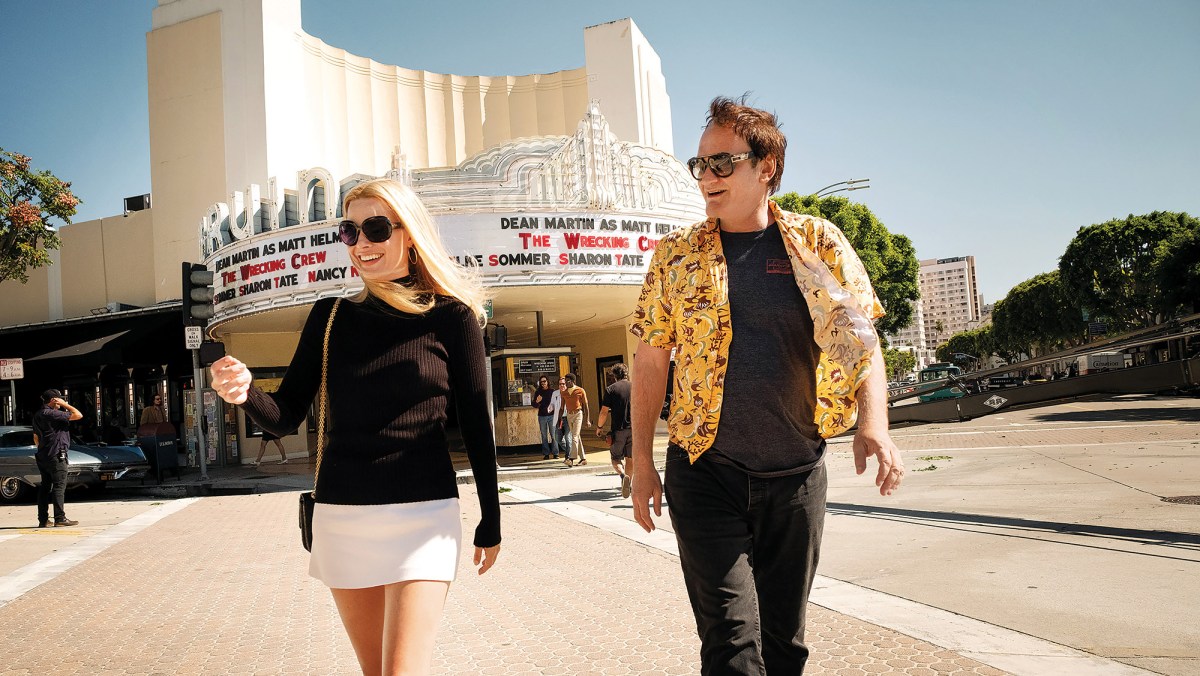
In an exclusive excerpt from the revealing new book ‘The Making of Quentin Tarantino’s Once Upon a Time… in Hollywood,’ the film’s director and stars Leonardo DiCaprio, Brad Pitt and Margot Robbie explain how they took L.A. back to the summer of ’69.
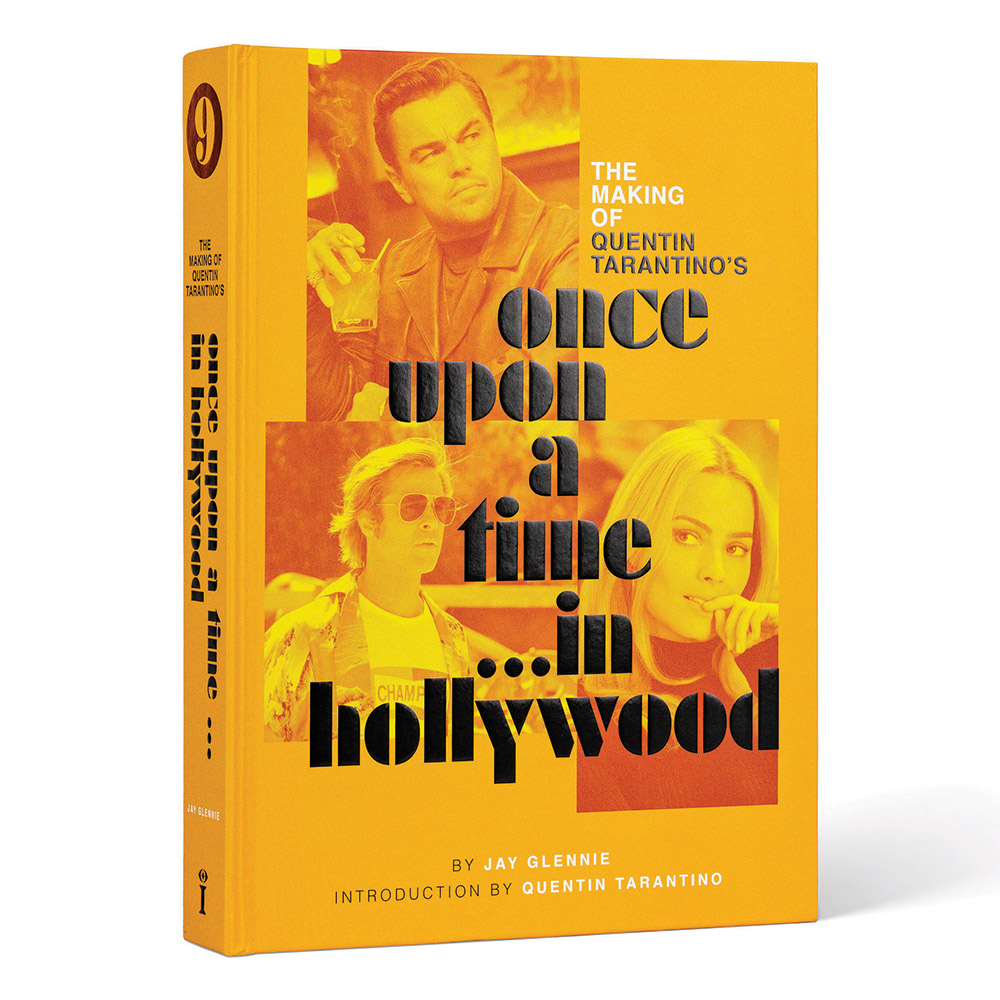
The following is excerpted from The Making of Quentin Tarantino’s Once Upon a Time in Hollywood (Insight Editions), out October 28.
Jay Glennie
September 19, 2025
The Hollywood Reporter
“Rick, how are you doing with getting Hollywood Boulevard for me?” Quentin asked his location manager, Rick Schuler. “I’m doing well,” Schuler replied.
Quentin looked at his first assistant director, Bill Clark, and looked at Schuler. “Doing well” was not going to cut it. Once Upon a Time in Hollywood was a Los Angeles story, a Hollywood story, and it needed to be filmed in Los Angeles. It needed Hollywood as a backdrop. He wanted to convert Los Angeles back to 1969 — “You know, literally street by street, block by block.”
Schuler had been in discussion with the California Film Commission for weeks. Under Quentin’s gaze, he admitted, “Well, I think I’m 80 percent there.”
“Rick, if there’s anything I can do to help you out, I’ll be willing to do that,” Quentin replied.
Production designer Barbara Ling was also anxious to know what it was she was going to be working with. Schuler had been asking the Hollywood powers that be, responsible for the economic success of their city, to shut down eight blocks.
“They had been, like, ‘Eight blocks? No way!’ and had said no a hundred times,” Ling recalls. “I also remember, eight blocks was freaking out the producers budget-wise.”
Schuler had an idea how he could utilize the filmmaker’s extraordinary enthusiasm and will to best use. He had an idea he wanted to run by Bill Clark: Schuler had a meeting with the Hollywood neighborhood council. Would Quentin be willing to address them — just talk about the project? Talk about the movie, what Hollywood meant to him? It could help get things over the line.
The day of the meeting, Schuler sprung it on Quentin and Clark that he wanted to make the filmmaker the surprise star act of his pitch and have him come in at the end. Nobody on the council would know he was there beforehand.
“For whatever reason, Rick thought it would be best if he kept Quentin a surprise to the council members,” Clark says.
 The Fincher Analyst