Costume Designer Trish Summerville Captures Old Hollywood Glitz and Gluttony in ‘Mank’

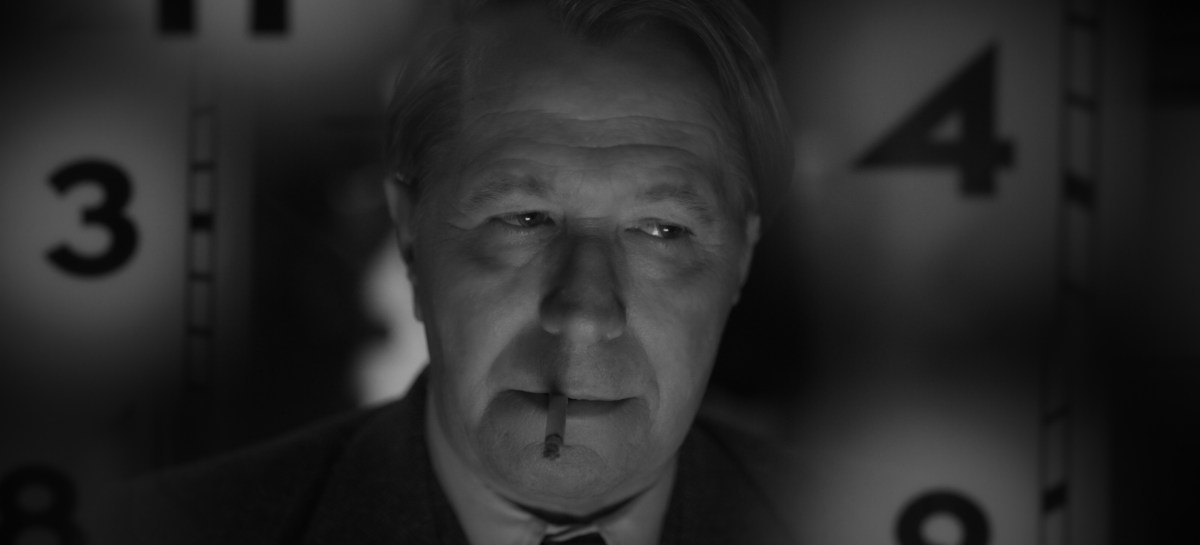
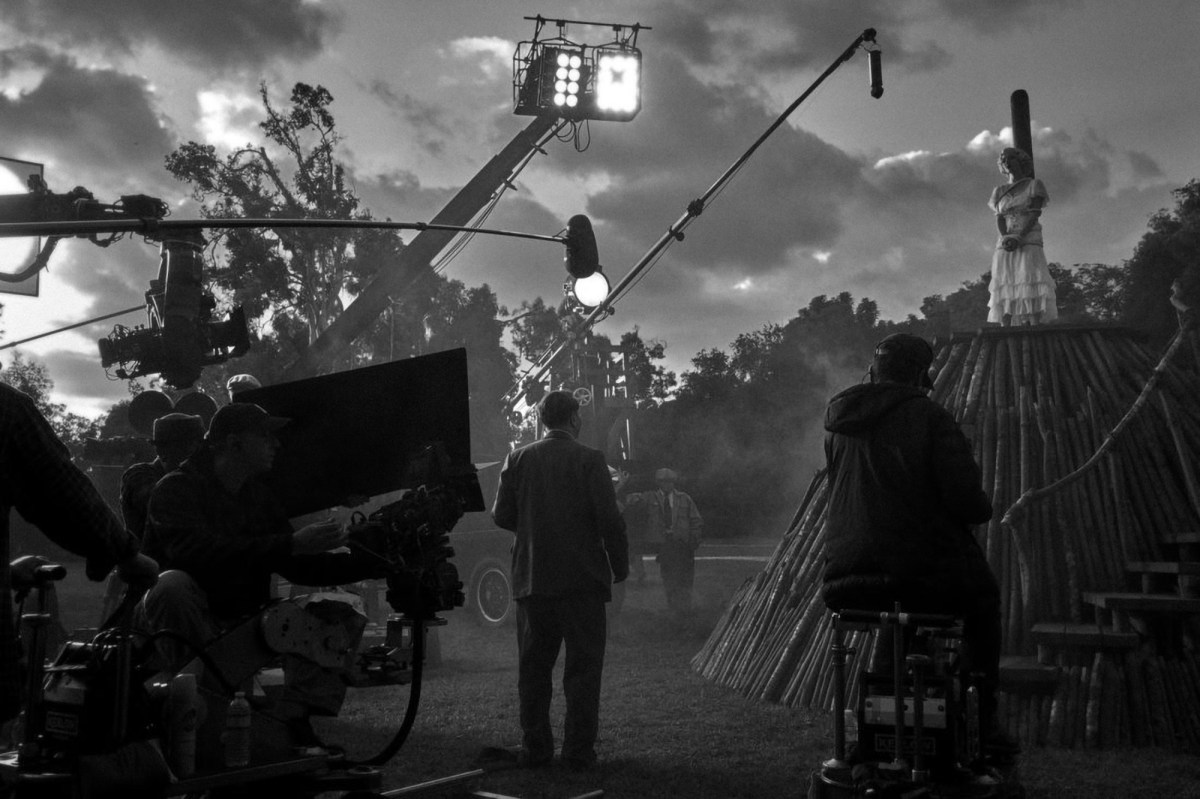
Shot in shadowy black-and-white mimicking the look of celluloid with plenty of Golden Age details, back lot and a Hearst Castle scene, the film streaming on Netflix Dec. 4 is a visual delight.

Booth Moore
December 4, 2020
WWD

The film was a passion project for Fincher, who even references certain deep focus shots from “Citizen Kane” while telling the story of his own tragic figure Mank, laid up after a car accident with a broken leg at a ranch in Victorville, Calif. ,with a looming deadline for “The American,” the script that would become “Citizen Kane.”

His personal drama is set against a pastiche of flashbacks to the time he arrived in Thirties Hollywood, with all its money and power politics, then driven not by liberalism but by the anti-socialist Republican Party. In one eerily familiar plot line, Mayer, Thalberg, Hearst and their cronies derail Democratic candidate Upton Sinclair using doctored newsreels in a moment of proto fake news. It’s this affront that inspires the antiestablishment Mank to base “Citizen Kane” on Hearst.

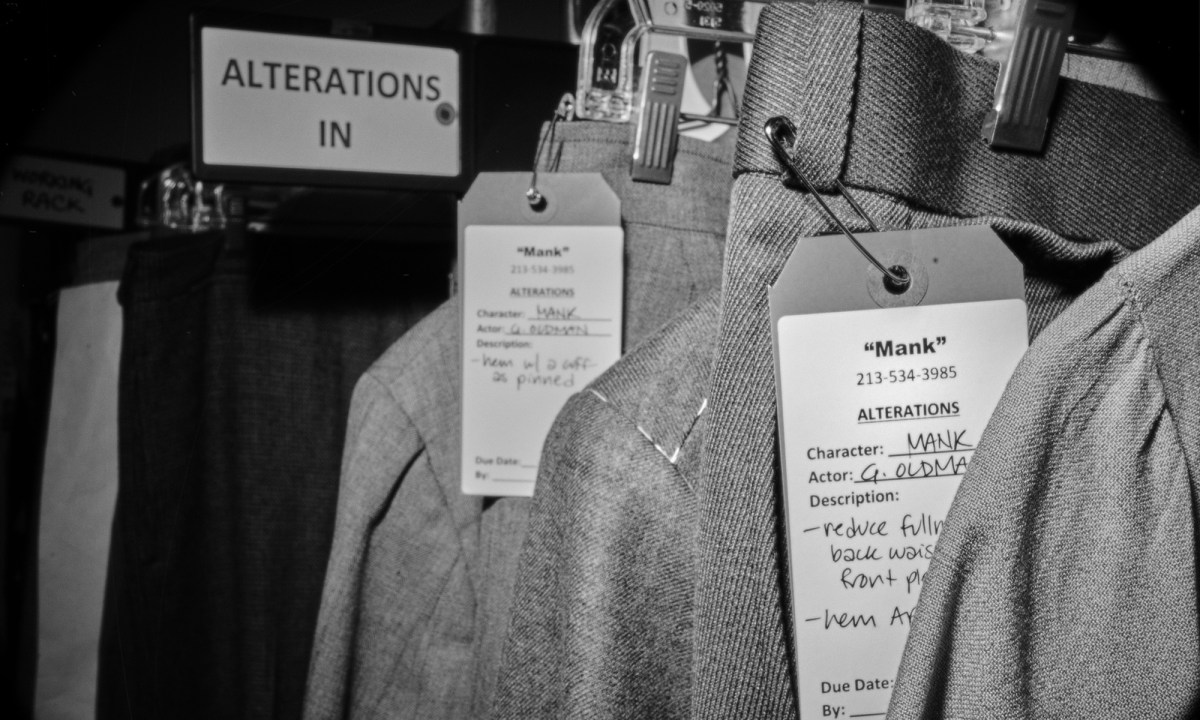
“Dave was particular about wanting to age film, and work in black-and-white, so for me, it was figuring out lighting and what type of camera he was going to use to shoot,” said Summerville, explaining that the old ways of working are harder than one would think. “I did a lot of swatching fabrics, going to rental houses, laying out different options and photographing them in the three different black-and-white settings of my phone. Then I would send them to him, and say give me a lead of where you are going. The closest thing was the monochromatic setting on my phone, he said, so I started photographing everything in that,” the designer explained.
Read the full profile

The Magic of the Movies: Behind the Scenes of David Fincher’s Mank


Netflix Film Club (YouTube)
February 28, 2021

Join acclaimed director David Fincher, actors Gary Oldman and Amanda Seyfried, and the cast and crew of Mank, for a peek behind the curtain of Netflix’s black-and-white ode to Hollywood’s Golden Age.

2-time Oscar-winning editor Kirk Baxter on ‘what makes films exciting to watch’

Riley Chow
February 28, 2021
Gold Derby

“It doesn’t matter what the intention was; it only matters what was captured,” muses two-time Oscar winner Kirk Baxter at the end of his exclusive interview with Gold Derby about editing “Mank” (watch the video above). Baxter and former editing partner Angus Wall are the only in Oscar history to win consecutively for Best Film Editing, which they did for 2010’s “The Social Network” and 2011’s “The Girl with the Dragon Tattoo,” both under David Fincher. Baxter is currently nominated for a Critics Choice Award for “Mank,” his eighth collaboration with the director.

Read the full article

Insights Into The Lensing of “Mank,” “The Prom,” “Malcolm & Marie”

Cinematographers Erik Messerschmidt, Matthew Libatique, Marcell Rév discuss respective films, collaborating with directors David Fincher, Ryan Murphy, Sam Levinson

Robert Goldrich
February 26, 2021
Shoot

Mank (Netflix) marks cinematographer Erik Messerschmidt’s first narrative feature. It continues a series of firsts for the DP in collaboration with director David Fincher.

Messerschmidt, who earned ASC membership distinction last year, got a major break back in the day while serving as a gaffer for cinematographer Jeff Cronenweth, ASC, most notably on the Fincher-directed Gone Girl. During the course of that movie, Fincher had Messerschmidt do some promotional still work for Gone Girl and the two struck up a rapport. This eventually led to Messerschmidt becoming the DP on Fincher’s Mindhunter, the thriller series centered on an FBI agent’s quest to track down serial killers in the late 1970s.

Last July, Messerschmidt garnered his first career Emmy nomination for his lensing of Mindhunter. He’s shot the lion’s share of Mindhunter episodes, representing his first major TV gig as his DP endeavors prior to that were primarily in commercials and other short-form fare. 

Fincher then further expanded Messerschmidt’s reach–this time into the feature realm with Mank which centers on screenwriter Herman J. Mankiewicz (portrayed by Gary Oldman) as he races to finish the script for director Orson Welles’ Citizen Kane on a tight timetable, secluded in a bungalow in a desert town miles removed from Los Angeles as he recuperates from a car accident in 1940. Attending to him are his secretary Rita (Lily Collins) and his German nurse (Monika Grossmann).

In the process, through Mankiewicz’s worldview–marked by his abiding social conscience and wit, at times caustic–we are introduced to not only Hollywood but life in the 1930s, ranging from the struggle of the rank and file during the Great Depression to the grandeur of Hearst Castle and high society. We also become privy to Mankiewicz’s own inner struggles with alcoholism, as well as a professional battle with Welles (played by Tom Burke) over screen credit for what became the classic Citizen Kane. The Mank cast also includes Charles Dance (as William Randolph Hearst), Amanda Seyfried (as Marion Davies, Hearst’s wife), Tuppence Middleton (as Sara Mankiewicz, Herman’s wife), Arliss Howard (as Louis B. Mayer), Sam Troughton (as John Houseman), Tom Pelphrey (as Joe Mankiewicz, Herman’s brother), Toby Leonard Moore (as David O. Selznick) and Ferdinand Kinsley (as Irving Thalberg).

Read the full profile

In Creative Company: Q&A on Mank with Costume Designer Trish Summerville

Mara Webster
February 24, 2021
In Creative Company

1930s Hollywood is reevaluated through the eyes of scathing wit and alcoholic screenwriter Herman J. Mankiewicz as he races to finish “Citizen Kane.”

Q&A with Mank costume designer, Trish Summerville. Moderated by Mara Webster.

In Creative Company: YouTube, Instagram, Facebook, Twitter, Spotify, Apple Podcasts.

Scenes in ‘Mank’ look familiar? That’s because it was filmed in California’s high desert

Brian Blueskye
February 23, 2021
Desert Sun

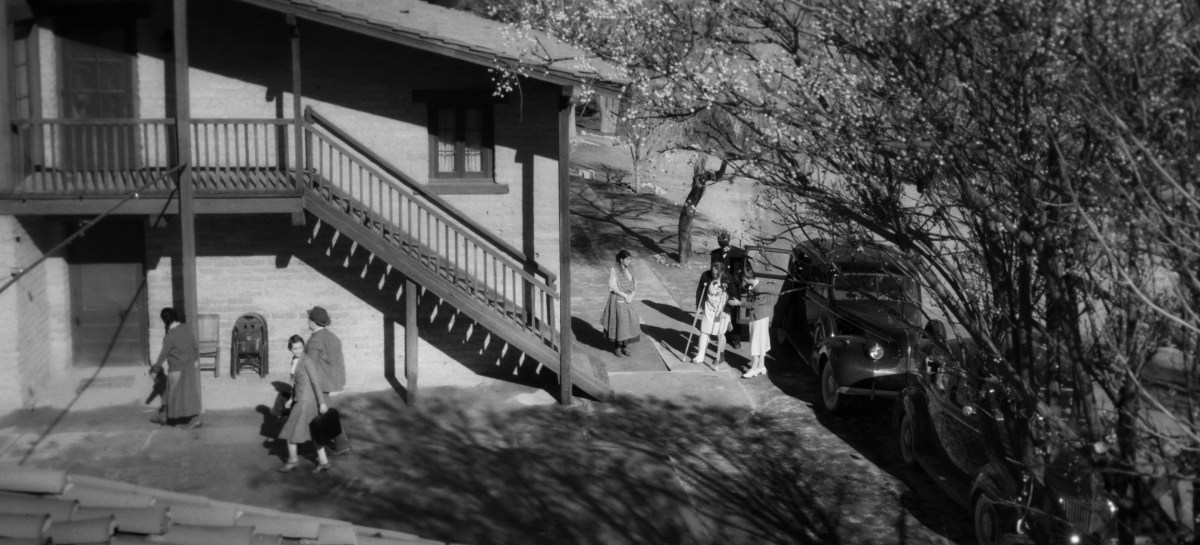
If you’re watching the film “Mank,” you may notice some familiar scenes. That’s because it was filmed in part at the Kemper Campbell Ranch in California’s high desert.

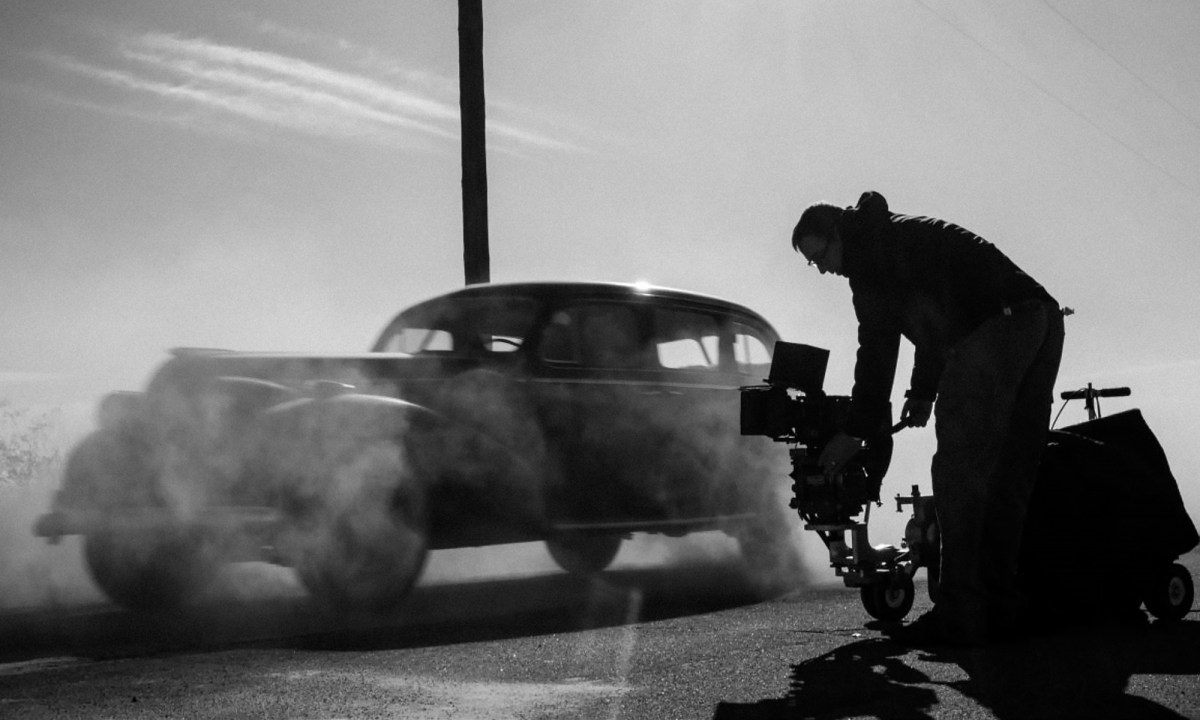
A production crew of 80 people arrived in Victorville in December 2019 with trucks containing vintage items, automobiles from the 1930s and more to take the historic property back to the 1940s. 

Mank,” which premiered on Netflix last December, is the story of screenwriter Herman J. Mankiewicz‘s struggle to finish the screenplay for Orson Welles’ 1941 film “Citizen Kane.” He arrived at the property, then known as North Verde Ranch, in 1940 to finish the script.

Nominated for six Golden Globe awards, the film stars Gary Oldman as Mankiewicz, Amanda Seyfried as actress Marion Davies and Lily Collins as Mankiewicz’ secretary Rita Alexander. It was directed by David Fincher.

For production designer Don Burt and set decorator Jan Pascale, it was important to make the film feel as authentic as possible. After some research on the North Verde Ranch, Burt learned it was still mostly intact. 

Read the full profile

Mank: Rosebud…

Photo by Nikolai Loveikis

An Interview with Camera Operator Brian S. Osmond, SOC

Kate McCallum
February 2021
SOC Camera Operator (Society of Camera Operators)

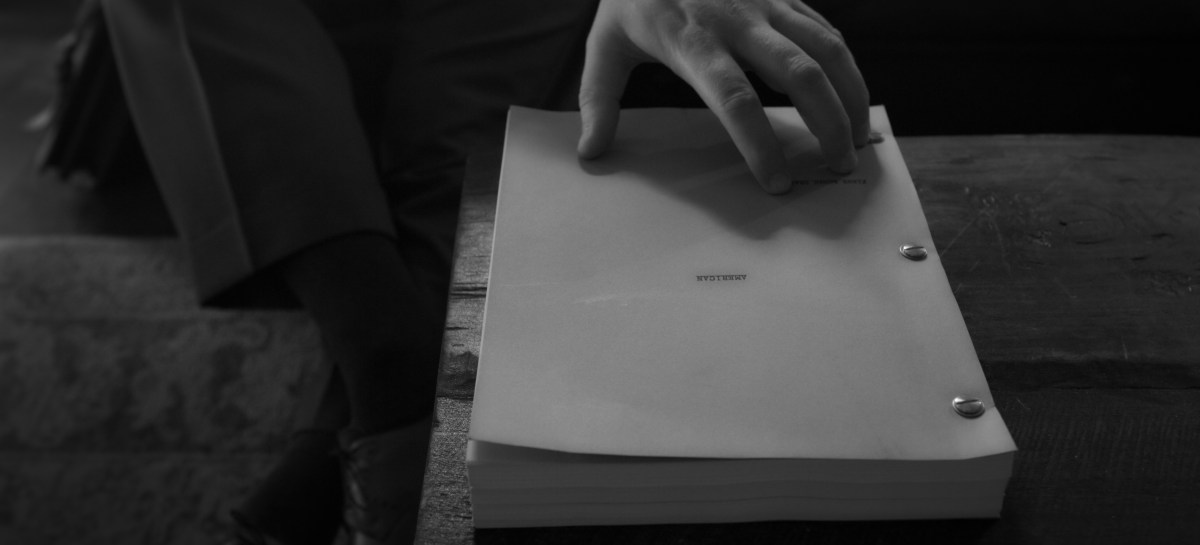
Mank is an American biographical drama film about screenwriter Herman J. Mankiewicz and his battles with director Orson Welles over screenplay credit for Citizen Kane (1941). The film is directed by David Fincher, based on a script written by his father Jack Fincher, with Gary Oldman in the title role.

Read the full interview:

‘Mank’ Cast and Crew on Jack Fincher’s Script and Shooting in Black and White

Antonio Ferme
February 22, 2021
Variety

While Netflix’s Oscar contender “Mank” was directed by David Fincher, the script was written by his father, Jack Fincher, prior to his death in 2003. Gary Oldman, who starred in the film as “Citizen Kane” screenwriter Herman Mankiewicz, said Fincher’s script was one of the best he had read in a long time.

“It is fun to be a detective and go off and read things and find out things and all of that,” Oldman said. “That’s great fun, but I felt that the work had really been done by Jack.”

In the Variety Streaming Room, hosted by deputy awards and features editor Jenelle Riley, the cast and crew of “Mank” discussed how Jack Fincher’s script was able to capture the extensive legacies of some of the icons from the golden age of Hollywood, as well as the challenges of shooting in black and white.

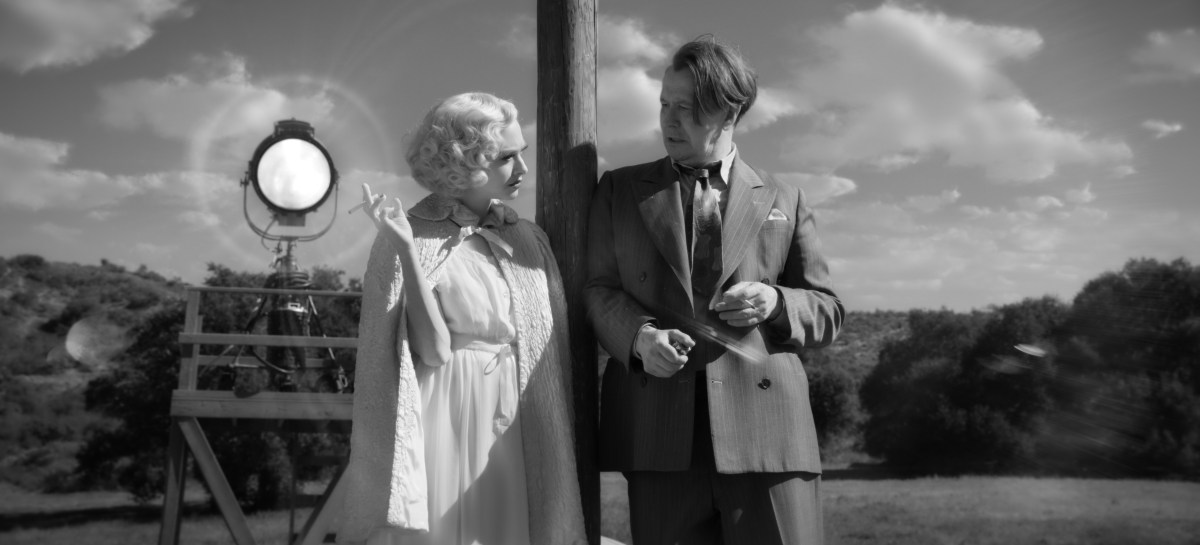
Amanda Seyfried, who portrayed William Randolph Hearst’s mistress Marion Davies, said that Fincher’s script infused new life into the cinema starlet’s legacy.

“None of what I read in my investigation was different from what the sense that I had gotten of her,” Seyfried said. “The essence was captured in that script right off the bat. So if I had nothing, I would have been okay.”

Aside from a handful of music videos and commercials, “Mank” was the first project cinematographer Erik Messerschmidt had ever filmed in black and white. He said the crew bounced many ideas off of each other when it came to figuring out what colors would look like on set.

“It becomes this very exciting kitchen of ideas, which is a very special thing to participate in,” Messerschmidt said.

When it came to fitting photos, costume designer Trish Summerville said she only sent them to Fincher in black and white. She said she did a lot of her research on what worked as far as which colors, prints and patterns translated well.

“Some things became really contrast-y and too kind of like confetti,” Summerville said. “Once we got to do the camera test, which I think helped us all greatly with seeing what the lighting was going to be, it helped with hair, with makeup, with clothes. It was a big tool for us.”

Watch the full conversation

Family Story

Director David Fincher looks back on how Mank made it to the screen.

Nev Pierce
February 19, 2021
Netflix Queue

Portraits by Michael Avedon

When Jack Fincher became a parent, he shared his lifelong love of cinema, and his regard for screenwriters in particular, with his son, David. “Jack felt this was a really difficult kind of writing, and something he had great respect for,” David Fincher says, looking back. “He also believed that the beleaguered writer was not a cliché due to personality type, but because they often had to bite their tongues as they watched idiots take their ideas and mangle them.” (On that point, the Oscar-nominated director begs to differ.)

Eventually, David encouraged Jack — who was by that time retired from his journalism career — to try his own hand at screenwriting. Those efforts have now solidified into one of David Fincher’s most acclaimed films to date, a project that also serves as an homage to his father, who died from pancreatic cancer in 2003.

Mank chronicles how screenwriter Herman J. Mankiewicz came to pen the first draft of what would one day be Orson Welles’s Citizen Kane. Like so many films, Mank was years in the making, and it long loomed in David’s consciousness. Father and son initially discussed the idea in the 1990s, when David was graduating from music-video director to rising-star filmmaker. As Jack completed various revisions, they had many fruitful clashes over the direction of the screenplay.

Over the years, it became clear that the project was unlikely to see the light of day. It fell by the wayside and Jack fell ill. “He ended up having chemo to worry about, and not so much the rewrites,” David recalls. “We would talk about it from time to time. I would take him to his chemo — he was in therapy a little bit in the last couple of months of his life — and we would talk about it in the car, shoot the shit. But it was understood that this would not be something that would ever get made. And that was O.K.”

David Fincher moved forward, building an acclaimed body of work that includes Zodiac, The Curious Case of Benjamin Button, The Social Network, The Girl with the Dragon Tattoo, and Gone Girl. Ultimately he arrived at a place where he could turn his focus to that elusive project from his past. Suddenly, Mank was something that could get made, and made the way he wanted: in dazzling black and white, with a superior cast carrying it forward.

Nev Pierce spoke to David Fincher in this edited excerpt from the book Mank, The Unmaking

Read Mank, The Unmaking

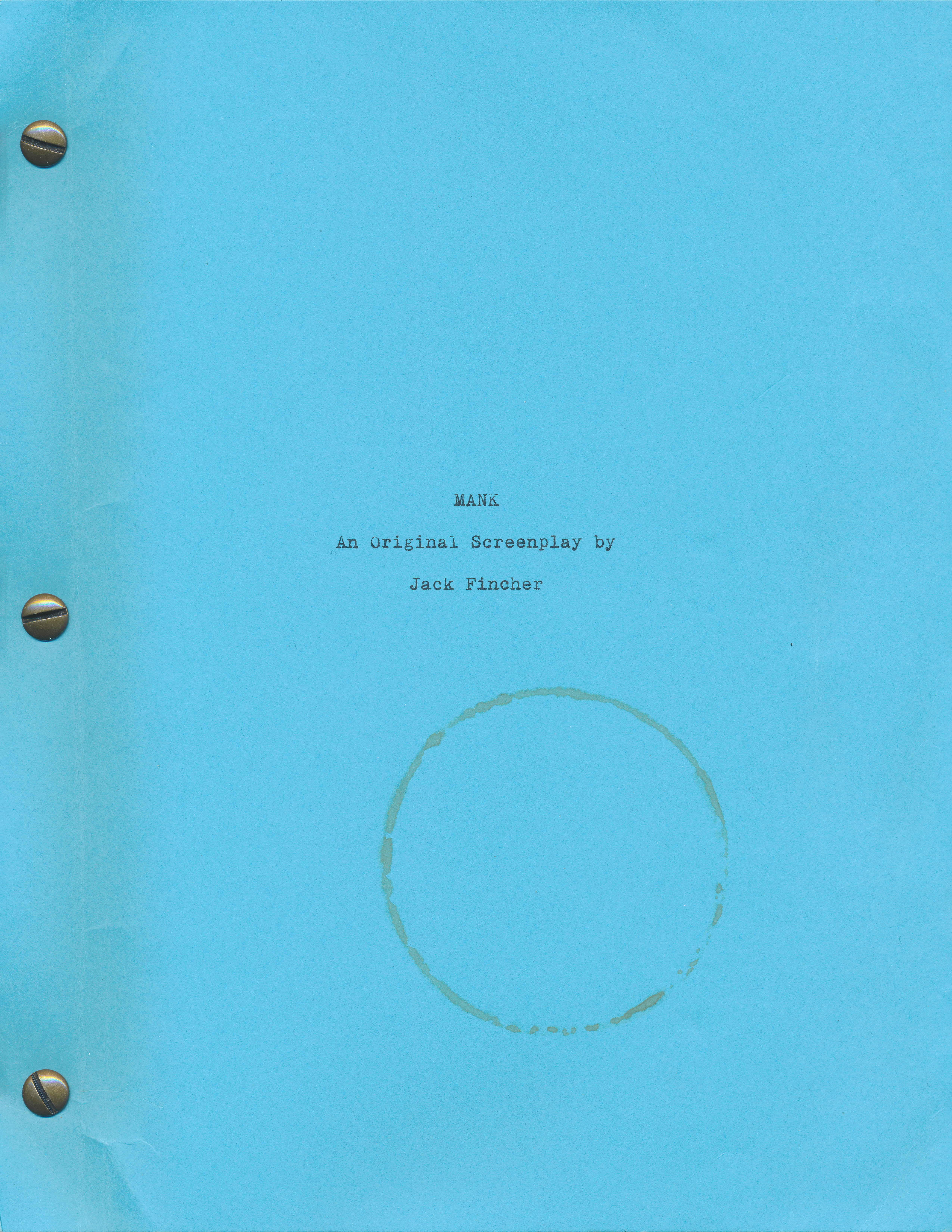
‘Mank’: Read The Screenplay For David Fincher’s Movie About The Writing Of ‘Citizen Kane’ Penned By His Father

Patrick Hipes
February 19, 2021
Deadline

EXCLUSIVE: David Fincher’s Mank has been near the top of the heap this awards season, scoring the most nominations at the Golden Globes and Critics Choice Awards and a place on the AFI Top 10 movies of 2020 for the take on the relationship of screenwriter Herman J. Mankiewicz and Orson Welles during the writing of the iconic Citizen Kane.

Those noms include posthumous recognition for the screenplay, written by Fincher’s father Jack, who died in 2003. It was David who encouraged his dad to explore the story between the two men, along with it the idea of taking responsibility for one’s ideas put into the world, and the reality-altering power that creates.

Read the Mank script