When I visit Darius Khondji, ASC, AFC, in his home in Paris recently for coffee, tea and talk about his art and craft, we speak in his dark living room, with a small pool of light from a lamp on a nearby table, and soft daylight coming through French windows that give on to a snowy courtyard.
Darius’ wife, photographer Marianne Chemetov, kindly agrees to shoot a still of her husband for me near a window. They discuss the lighting. Darius asks to be in silhouette, and, afterwards he darkens Marianne’s photo on his iPhone even further. I ask him about this, and he says: “I like the radical quality of this chiaroscuro.”
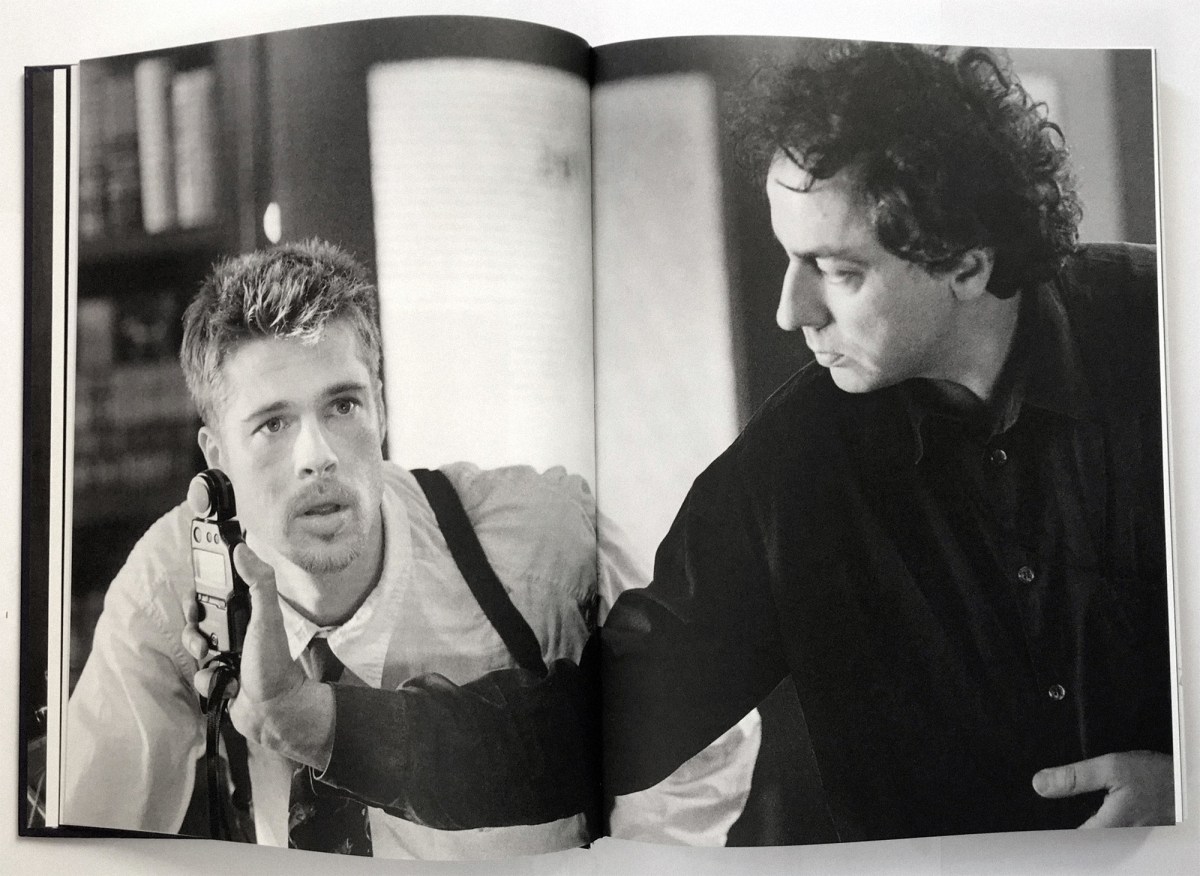
The esteemed ASC member reflects on his breakthrough feature Se7en, which helped change the face of Hollywood horror and suspense features and remains a cinematic touchstone.
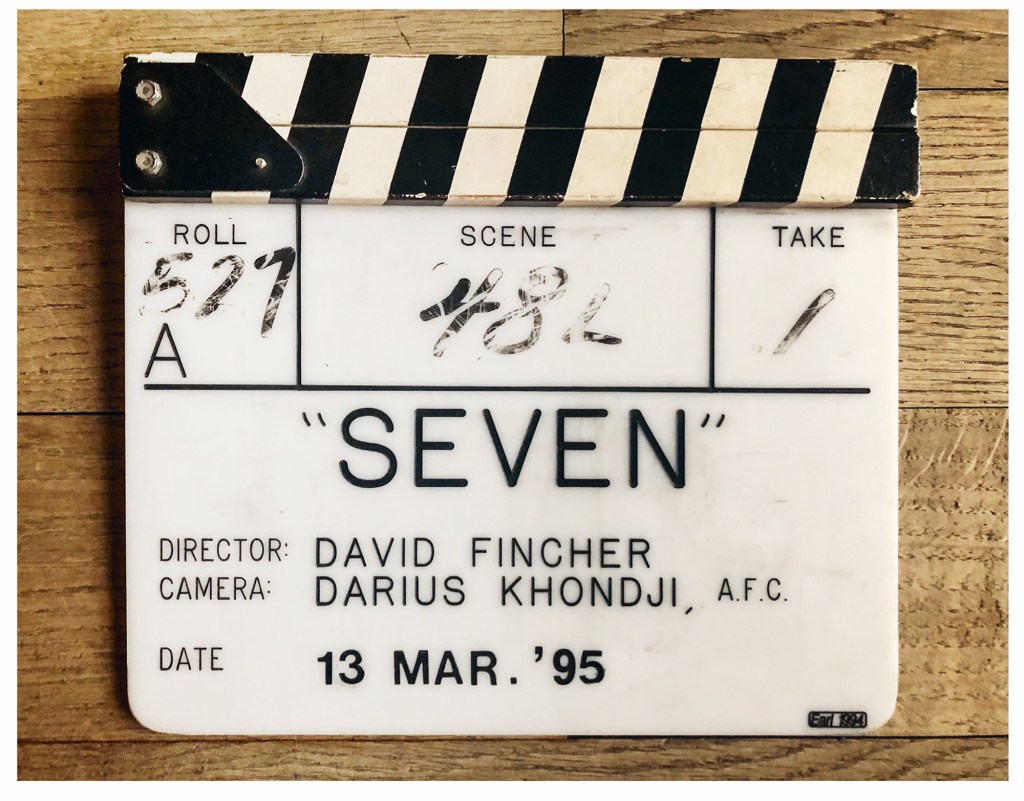
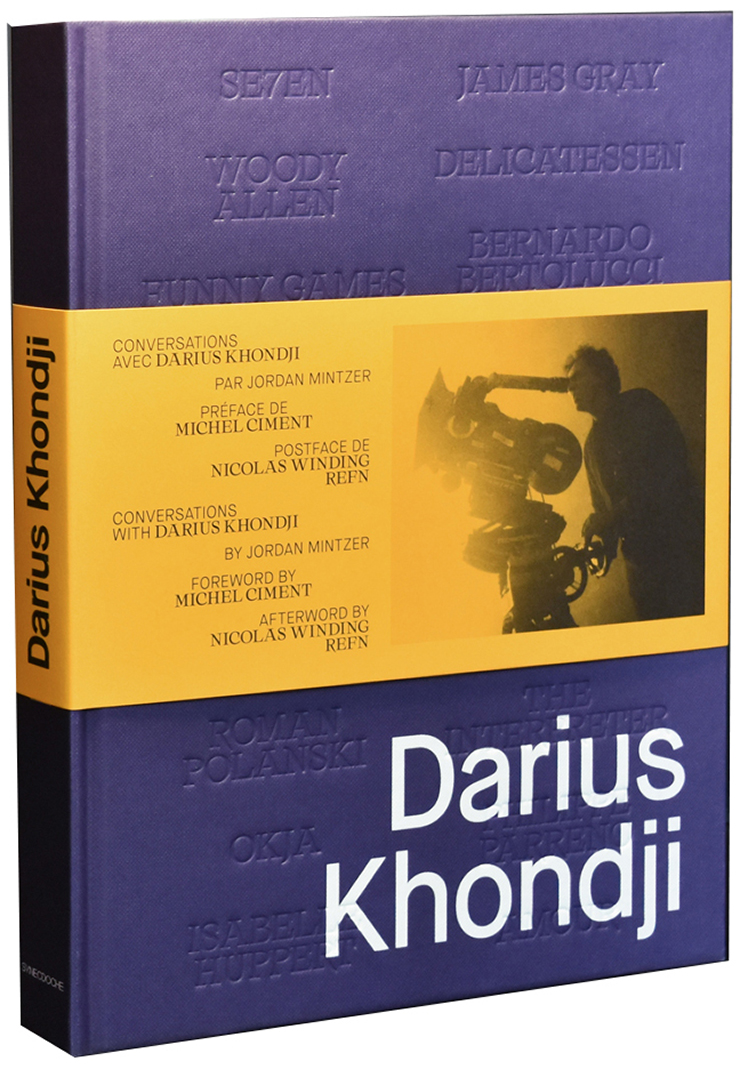
The following is an excerpt from the new book Conversations with Darius Khondji, written by The Hollywood Reporter film critic Jordan Mintzer and published in a French-English bilingual edition by Synecdoche in Paris. The excerpt is taken from the chapter “Out of the Shadows,” which begins with Khondji describing his work on David Fincher’s Se7en (1995) — the first feature he shot in Hollywood.
Sentient Dairy Products, Rogue Werewolf Soldiers, Robots Gone Wild, Sexy Cyborgs, Alien Spiders And Blood-thirsty Demons From Hell Converge In An 185-minute Genre Orgy Of Stories Not Suitable For The Mainstream.
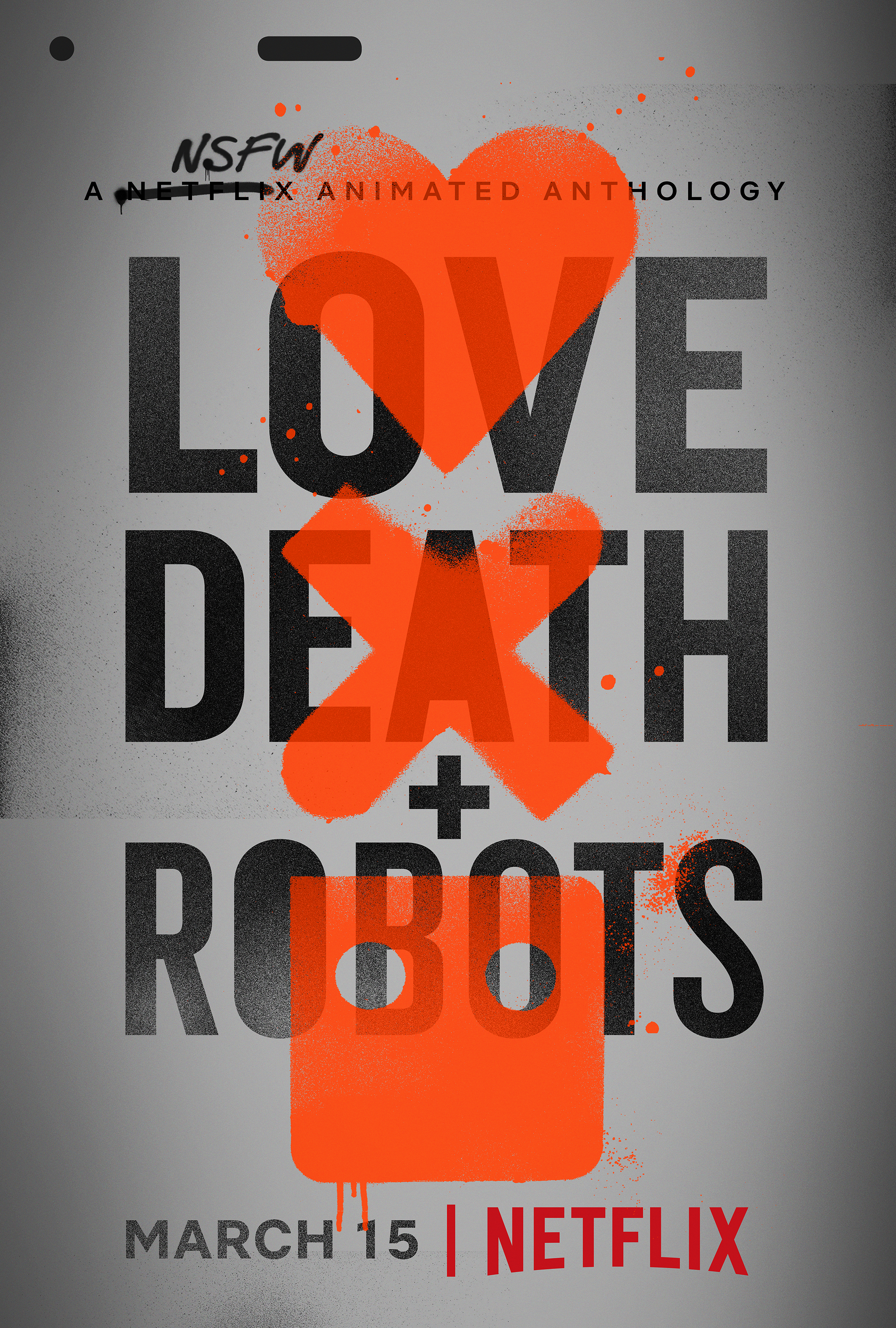
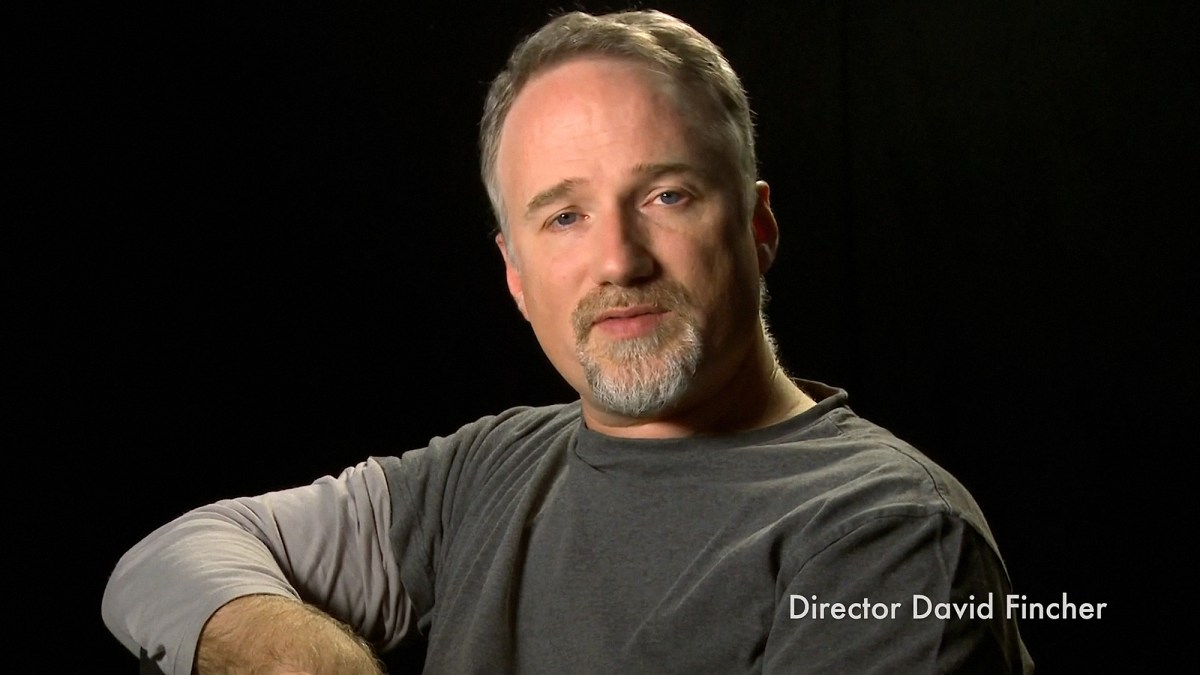
This spring, 18 animated short stories presented by Tim Miller (Deadpool, upcoming untitled Terminator sequel) and David Fincher (MINDHUNTER, Gone Girl, House of Cards) land on Netflix in it’s first ever animated adult anthology series. Love Death and Robots premieres March 15th only on Netflix.
The full roster of stories will cover a variety of adult topics including racism, government, war, free will, and human nature. The anthology collection spans the science fiction, fantasy, horror and comedy genres and each short has a unique animation style: from traditional 2D to photo-real 3D CGI. The creators were assembled for a global calling for best in class animators from all over the world including artists from France, Korea, Hungary, Canada and the US among others. The series draws inspiration from the eclectic and provocative comic book material from the 1970’s that influenced both Miller’s and Fincher’s formative interests in storytelling.
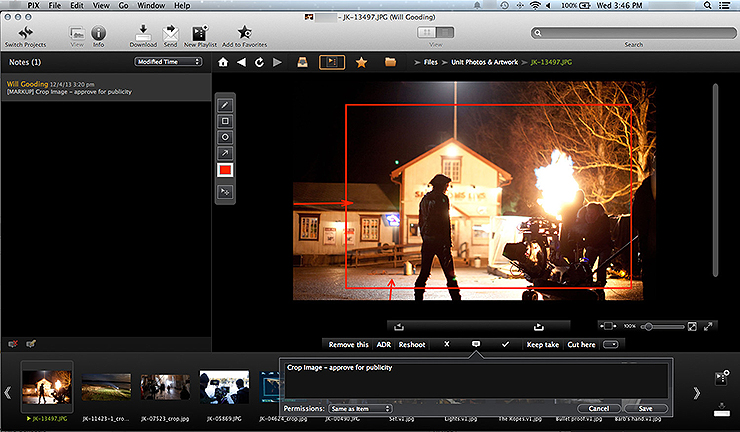
At PIX System, we help create entertainment and media by bringing creativity, collaborators and assets together. For 16 years, we’ve been creating and innovating ways to give the top creative talent, studios, mini-majors, networks, indie productions, and online content providers the time and resources they need to create. Better. Faster. More reliably.
Our industry leading platform is an open sandbox and secure home base, viewer, community workspace, media mine, think tank and muse – a place on the digital frontier where creative and strategic content and communication are safe and tidy and easily found, shared and worked on alone or together.
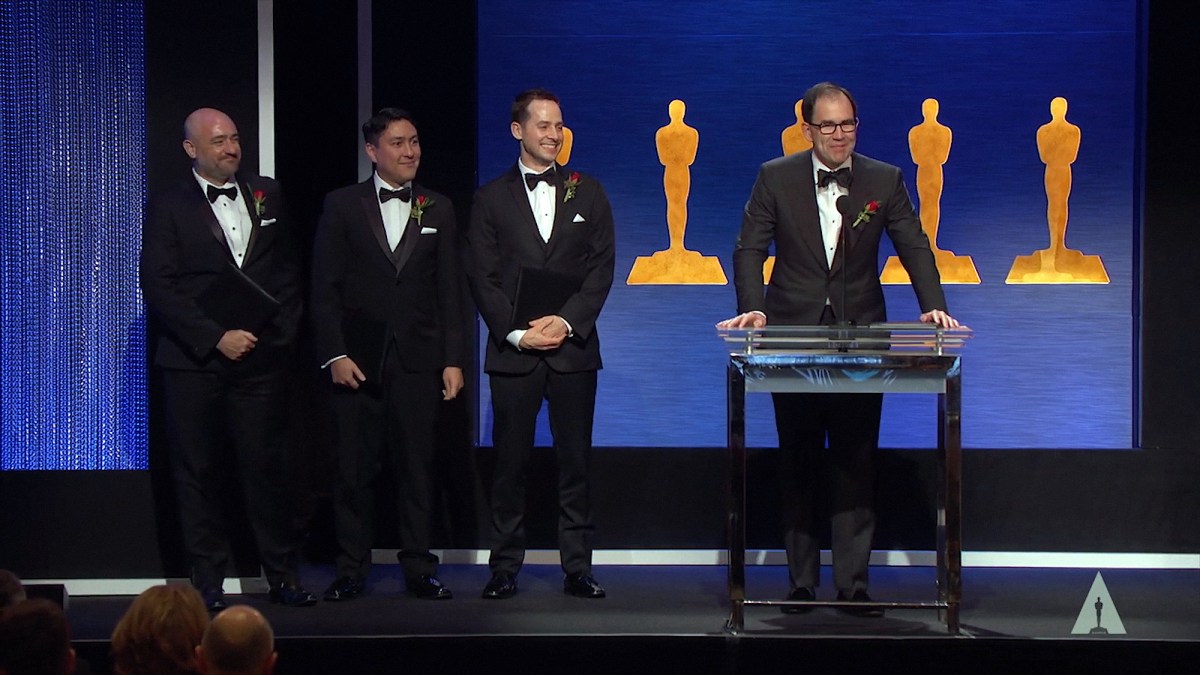
On Saturday night at its annual Scientific and Technical Awards Presentation, the Academy of Motion Picture Arts and Sciences honored PIX with a Technical Achievement Award. The award recognized Eric Dachs, founder and CEO; Erik Bielefeldt, director of research and development; Craig Wood, technical director; and Paul McReynolds for the design and development of the industry leading security mechanism for distributing media. Prior to the awards ceremony, Digital Cinema Report spoke exclusively with Bielefeldt and Wood to talk about the company’s continued innovation in the evolving world of content collaboration from film to digital to next-generation data rich requirements.
Technical Achievement Award (Academy Certificate): to Eric Dachs, Erik Bielefeldt, Craig Wood and Paul McReynolds for the design and development of the PIX System’s novel security mechanism for distributing media.
PIX System’s robust approach to secure media access has enabled wide adoption of their remotely collaborative dailies-review system by the motion picture industry.
PIX founder and CEO Eric Dachs thanked Ren Klyce, Ceán Chaffin and David Fincher (present at the ceremony): “your friendship, patience, and talents have had an enduring and measurable impact on our work, and more importantly, in filmmaking.”
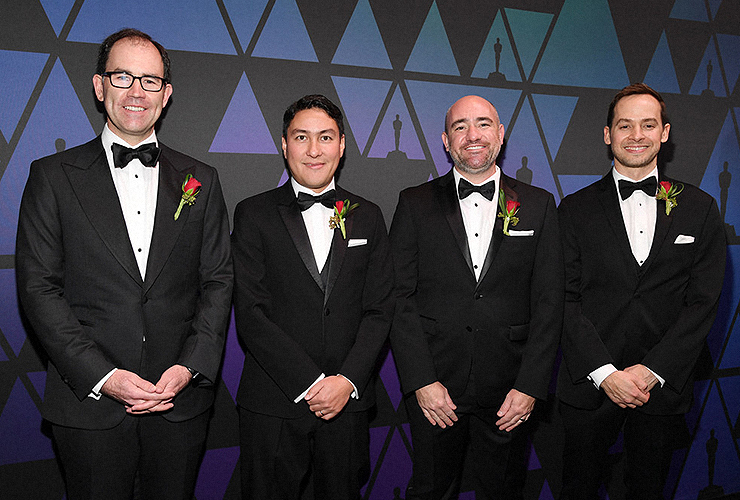
Eric Dachs, Erik Bielefeldt, Craig Wood, and Paul McReynolds (Amy Sussman/Getty Images)
The familiar Pix app is one of the early tools with security features developed to improved communication and collaboration during production, which was initially conceived as filmmaking became more distributed geographically. After being used on more than 5,000 film and TV projects including Black Panther, Bohemian Rhapsody and Mindhunter, its developers will be among those honored Saturday at the Academy of Motion Picture Arts and Sciences’ annual Scientific and Technical Awards.
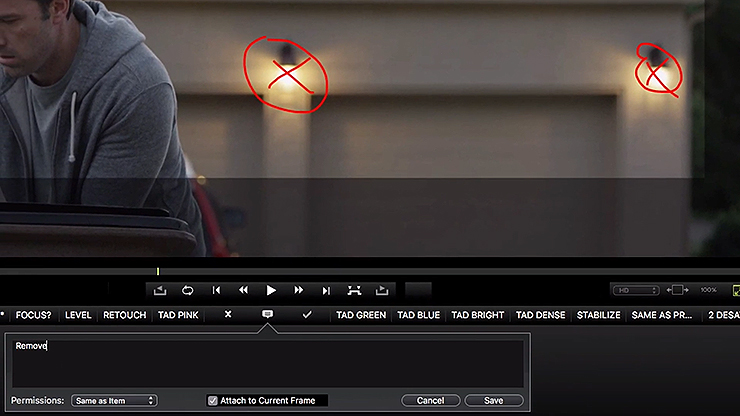
Pix founder/CEO Eric Dachs — who with director of R&D Erik Bielefeldt, technical director Craig Wood and Paul McReynolds will receive Technical Achievement Awards — started his career in sound and it was while working as an assistant to seven-time Oscar nominated sound designer Ren Klyce on David Fincher’s 2002 film Panic Room that the idea for Pix was born. “I got a look at how digital technology was changing motion picture postproduction, but I also saw the inefficiency from faxing notes when the work was distributed geographically,” Dachs tells The Hollywood Reporter. “I started writing a really simple prototype application for capturing David’s spotting notes and getting them distributed to the crew via a simple web application. So that [composer Howard Shore] could get the music notes in real time, and the different departments within sound were no longer having to wait for faxes.”
One afternoon during the final mix, Klyce showed Fincher the app and the technically-savvy director was impressed. In fact, he continues to use it today.
The Academy of Motion Picture Arts and Sciences (AMPAS) honored Eric Dachs ’98, the founder and CEO of PIX System, with a Technical Achievement Award at its Oscars 2019 Scientific and Technical Awards Presentation on Feb. 9, 2019.
Since its creation in 2003, PIX System has become the entertainment industry gold standard in providing secure communication and content management capabilities. Dachs, a theater major while at Wesleyan, designed and coded the initial software early in his career when he was an assistant to sound designer Ren Klyce for Panic Room. It was then that he saw the need for an easy, safe digital platform to share revisions and collaborate across locations.
“Movement is life,” Brad Pitt‘s Gerry Lane famously said, advising survivors in Paramount‘s 2013 zombie/outbreak movie “World War Z.” Momentum is everything in Hollywood, and perhaps a lack of it hurt “World War Z”‘s chances for a sequel, because it’s now curtains for the followup film. Sources close to the project for years tell us that Paramount Pictures pulled the plug on director David Fincher‘s film last night.
The film’s budget was definitely an issue but only to a degree. Fincher and his team were proposing something less than the budget of the original ($190 million according to Box Office Mojo, before the costly reshoots). However, Paramount’s known about this figure since at least last year and had hemmed and hawed about the project for months. One might think it not entirely coincidental that Paramount, which makes far fewer films than the average studio, just designated a lot of money for two significant blockbusters: “Mission Impossible 7” & ‘8‘ which will arrive in the summer of 2021 and 2022, according to their official release dates.
Paramount simply dragged their heels, at one point eyeing a 2018 or 2019 summer release, but never feeling bold enough to put it back on the schedule. Pitt, who has worked with Fincher several times, began to court Fincher for the job back in August of 2016 and a few months later the director agreed and started to look for writers to develop a new script. Dennis Kelly, the creator and writer of the original U.K. “Utopia” series—which Fincher almost adapted himself for HBO— was hired to rewrite the script from Steven Knight.
The officially untitled “World War Z 2” was roughly aiming for a summer shoot—Fincher is currently still busy editing “Mindhunter” season two for Netflix—but the writing might have been on the wall given how tentative Paramount was with the project.
Welcome to Dissecting the Classics . In this column, I analyze films that are almost universally loved and considered to be great. Why? Because great movies don’t just happen by accident. They connect with initial audiences and they endure for a reason. This column is designed to keep meaningful conversation about these films alive.
What Do We All Know?
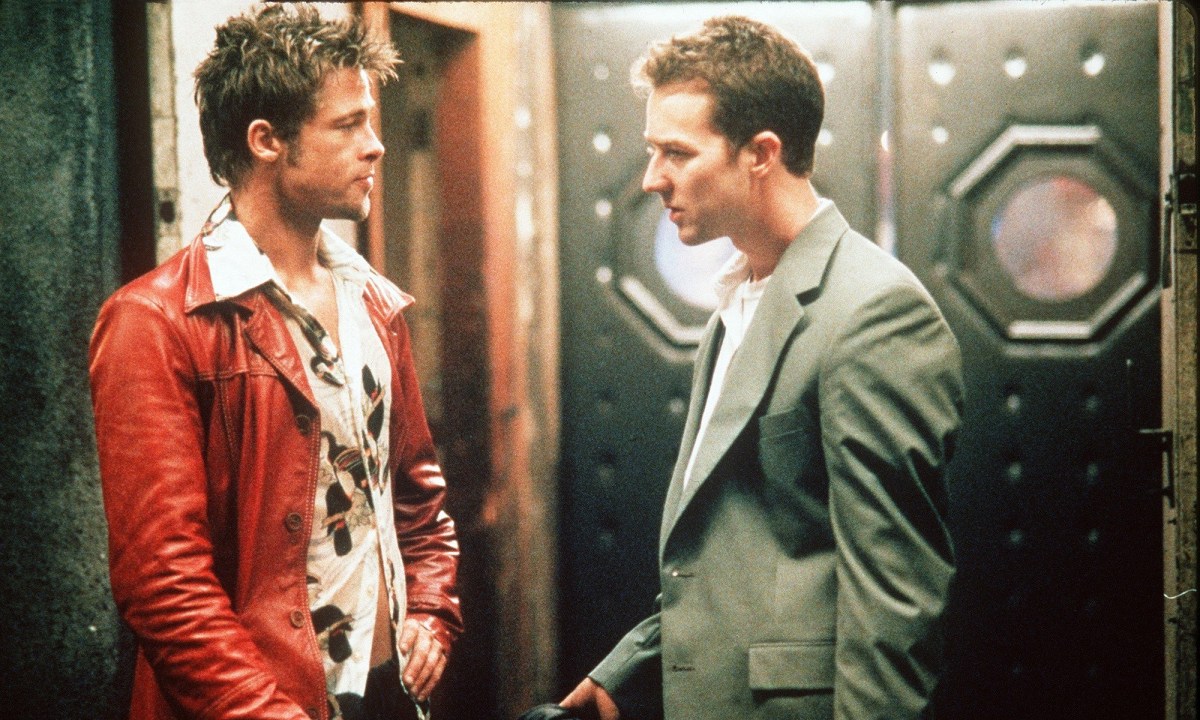
Fight Club is perhaps the most enduringly popular work of director David Fincher. While it received mixed reviews from contemporary critics and a modest box office performance, the film found its true audience on DVD, becoming a cult film in the early 2000s. It has since been reevaluated as one of the best films of the 1990s, with Empire Magazine going so far as to call it one of the ten best films of all time in 2008. But the film also has its fair share of detractors: many take issue with the glorification of violence and social terrorism, fearing the impact it would have on male viewers. Those fears aren’t totally unfounded: several fight clubs were started in the early 2000s, and an attempted bombing of a Starbucks in 2009 was attributed to trying to recreate Project Mayhem.
If you haven’t seen Fight Club and are reading this for some reason, this review is going to be very spoiler heavy, and I recommend seeing the film first. That’s partially because it has a brilliantly executed twist that I’d hate spoiling. But primarily it’s because Fincher and his team excel at crafting complex themes that require a deep dive and it’s better if you’ve scratched the surface by yourself. With that out of the way, let’s talk about Fight Club.





 The Fincher Analyst