Steven Benedict: Zodiac

Steven Benedict
October 28, 2018

When a film breaks with tradition, it is often rejected by audiences. Which may be why Zodiac was not recognised as the groundbreaking masterpiece it is.

Listen to the podcast

More David Fincher related podcasts and video essays by Steven Benedict:

Se7en, Credits, Fight Club, The Social Network, House of Cards, Gone Girl, Other mentions

ALL CAPS, all the time: why are so many shows bombarding us with giant fonts?

From Killing Eve to Mindhunter and Narcos, there’s a trend in TV for colossal captions. It’s a confident style choice that nods to noir fiction.

Jack Seale
October 26, 2018
The Guardian

David Fincher’s work is full of fine details. You could conceivably watch his entire back catalogue without realising, for instance, that the camera tends to mimic the actors’ smallest movements. But during the editing process for his 2017 TV drama Mindhunter, he had an idea that nobody can have failed to notice. “I’m not sure which episode we were watching,” editor Tyler Nelson told the Art of the Cut website, “but he said, ‘Let’s fill the frame with a big location card.’”

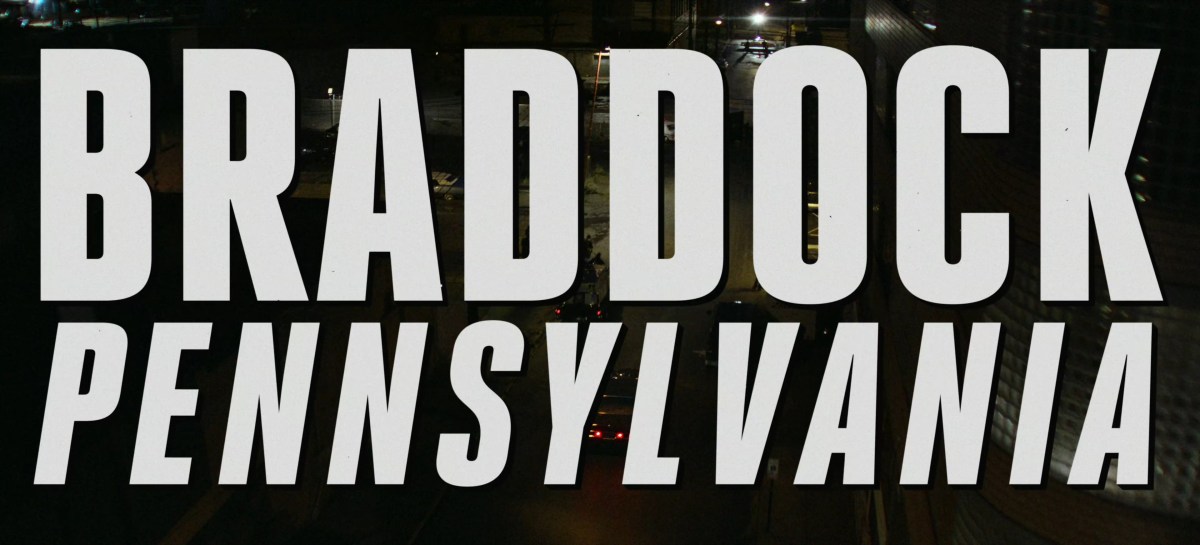
Whenever Jonathan Groff’s behavioural psychologist Holden Ford visits a new town, we’re told which one it is in massive letters that take up the whole screen: welcome to (eg) BOSTON, MASSACHUSETTS, and to a trend in TV and film for enormous location titles.

Mindhunter fans are split between loving its colossal captions and hating their overbearing presence, but they’ve caught on.

Fincher hasn’t just upped the stakes by making his location titles fill the entire screen, rather than merely a large proportion of it: the size of the text, combined with the chosen typeface (it’s Heroic Condensed, font fans) recalls tabloid newspaper headlines of the 1970s, when the show is set. It also evokes pulp/noir detective films from a few decades earlier.

Read the full article

In Conversation with Jennifer Haley, Writer (Mindhunter)

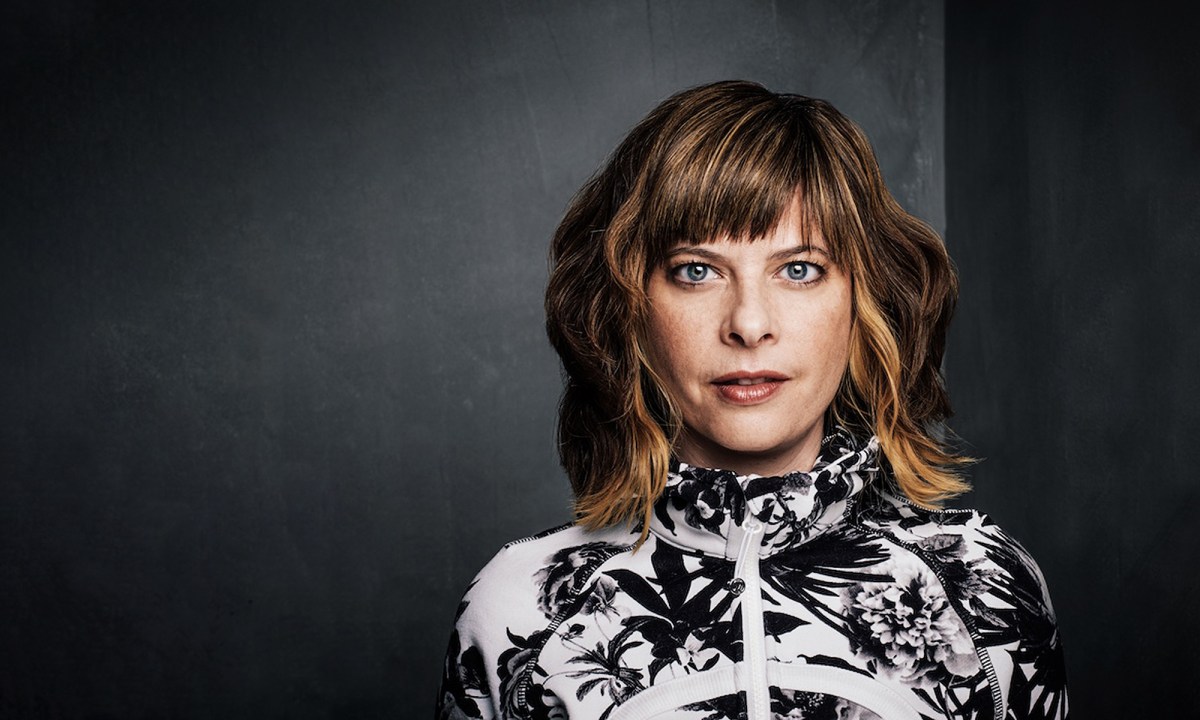
Jennifer Haley (Peter Konerko)

Pop Culture Confidential. Episode 90: Jennifer Haley – Writer, Mindhunter

2018. Pop Culture Confidential (Podcast)

Christina Jeurling Birro
November 29, 2017
Pop Culture Confidential

Thrilling, dark, gripping and tense are just some of the words used to describe the hit Netflix series Mindhunter. Playwright Jennifer Haley is a writer and co-producer on the series, and joins us this week to share her experience getting into the minds of FBI agents and serial killers.

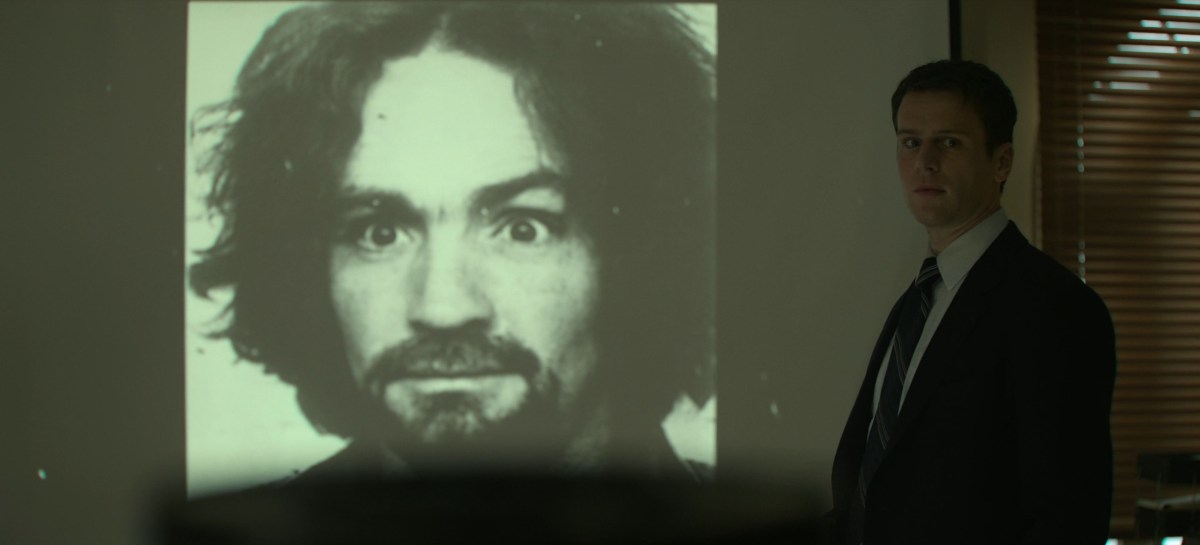
Mindhunter is a meticulously paced crime drama based on the writings of the pioneering serial killer profiler John E Douglas. Along with his team, they interviewed the likes of Ted Bundy, Charles Manson, and Ed Kemper during the seventies and eighties which resulted in a redefining of criminal profiling forever.

The series has wonderful casting, beautiful cinematography, and some of the creepiest conversations you will hear this year. Lead by David Fincher who is Executive Producer and director of four of the episodes, the writers on Mindhunter have delivered an amazing array of characters.

Listen to the podcast

L.A. Not So Confidential. S1 Ep. 4: Writing Minds – Jennifer Haley Interview

2018. L.A. Not So Confidential (Podcast).jpg

Dr. Scott & Dr. Shiloh
December 3, 2017
L.A. Not So Confidential

Forensic psychologists, Dr. Scott and Dr. Shiloh, interview award-winning playwright Jennifer Haley who was a writer on Season 1 of Netflix‘s 2017 hit Mindhunter. In their first interview episode, they dive into the excitement and obstacles of bringing John Douglas‘ book to life and dish on several story arcs that leave us not-so-patiently waiting for Season 2! What’s with Wendy and that cat? Will there be a musical episode to see Jonathon Groff in action?

Listen to the podcast

L.A. Not So Confidential: S1 Ep. 3: Hunting Minds

Dr. Shiloh and Dr. Scott dissect their new favorite show, Netflix’s Mindhunter, and compare their own first experiences interviewing and working with the criminal population.

2012. Jennifer Haley - The NetherJennifer Haley .com

In Conversation with Actor Adam Zastrow

Paula Courtney
October 14, 2018
Absolute Music Chat

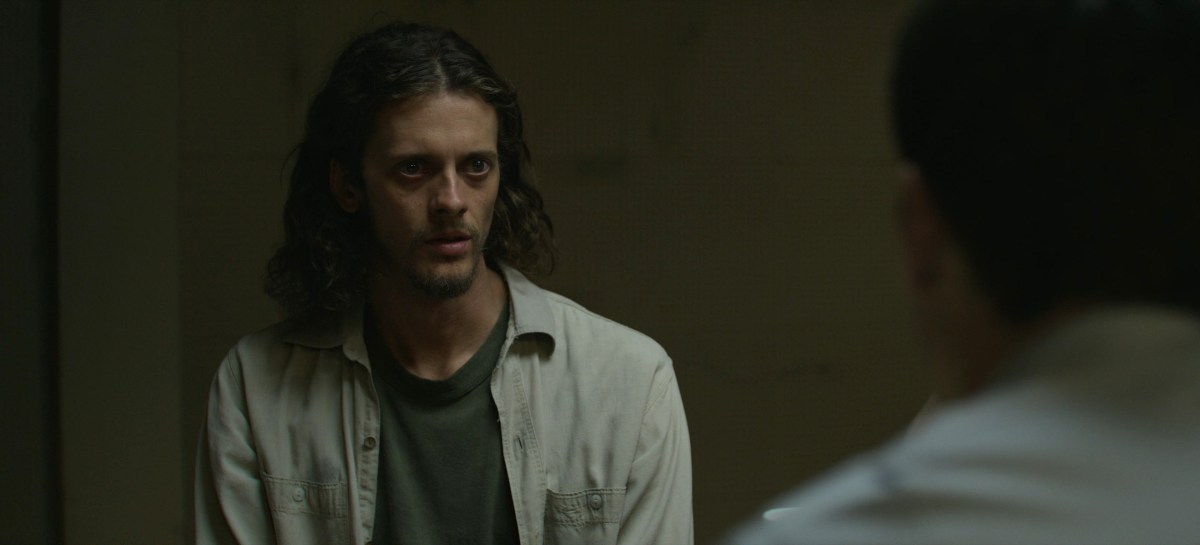
I had the pleasure – and a lot of fun – interviewing actor, Adam Zastrow, who recently excited us playing the role of Darrell Gene Devier on Netflix’s hit show Mindhunter. During our conversation we talked about Adam realising his dream of becoming an actor, the shows he was part of leading up to Mindhunter and what it means when David Fincher says, ‘Take 50!’

[…]

PC: Getting back to David Fincher. I was reading the other day someone saying the reason he shoots a scene 70 times is because he suffers from OCD but that isn’t the case at all is it. He wants to get the best possible scene, it’s not because he has perfectionist issues.

AZ: I hate when people use the word ‘perfectionist’ when they are talking about David and the amount of takes he does because I was told about that – I don’t want to say ‘warned’ but I was ‘told’. Before going out I was told be prepared for long days Fincher likes to do a lot of takes. After having done it – those 70 takes fly by, it does not feel like you are doing 70. Fincher himself addressed this in an interview – he really hit it right on the head – it’s not that he’s a perfectionist (that’s not the issue at all) it has more to do with your pre-production staff. The guys will build sets for months, the art guys, you have all these people spending the better portion of a year just to make sure a scene looks the way it’s supposed to or to just make sure the drinking fountain in the back works even if nobody is using it. All these people put all this time and effort into this production and how dare you rush through shooting! It’s almost like a slap in the face to all these people. It’s like, ‘Okay, you spent 6 months building this scene and we’re going to come in and just shoot three takes in 12 minutes, now we are going to walk away and ask you to tear the damn thing down.’ No. No. No. I think it’s as much trying to find the best performance as it is taking the time to finding the best performance. You owe it those people not to rush through anything. When I heard that I thought, ‘Oh my God! That makes so much sense.’

PC: It’s like when you spend hours making dinner and someone wolfs it down in like 5 minutes.

AZ: Yeah exactly, exactly. I 100 per cent agree that you find stuff on take 70 that you did not even think about. As someone who’s never experienced that kind of dedication to the shoot, you get to take twenty or thirty and you’re like, ‘Okay. I rehearsed this for months. We rehearsed this together for a week. We’ve gone through this thirty times, there’s nothing else for me here to find. I’ve giving you everything that there is.’ Also from take 30-45 they are all the same, they are kind of all blah, because at that point you’re either over-thinking or under-thinking your character and you really feel like there is nothing else to give. And then, right around that point, there’s a weird moment that happens where you just stop thinking about it at all: you’re no longer under- or over-thinking it, you are just doing it because you are just going through the motions. And you’re like, ‘Okay, let’s just do this because I have to,’ and then this beautiful, beautiful thing happens where, all of a sudden, as soon as you stop thinking about it, all of this shit comes out of you that you never even knew was there! I think that’s what he’s going for. He does it enough times to where you are so used to it that you are not thinking about it, and that’s where the best stuff comes from. If you film a scene where you come home from work, you throw your keys on the table, you take your jacket off and you put it on the hook, you take your shoes off and you walk into the kitchen and you do whatever it is you do. If you were to film that scene, every single one of those moves is going to seem so cold and so calculated because it’s written in the script and you know what you are supposed to do and it’s fine, and most of the audience are not going to notice how calculated it looks – but a good audience will – and that’s what separates great shows from okay shows, and amazing shows from really decent shows, amazing directors from half-decent ones – it’s that kind of thing that half won’t notice but the ones that do are going to call you out.

PC: That’s a great explanation actually.

AZ: It’s one thing to say you shoot a scene 70 times and it looks more ‘natural’ but what does that mean? That exactly what ‘natural’ means. You are putting your keys on the hook because you’ve done it a million times, it’s like getting all of your emotion to that point where you forgot that you did it, like when you leave the house and get half-way down the road and have to turn back because you don’t remember if you have locked the door. It’s that exact thing. Fincher wants your emotions and everything on camera to be stone natural – that you are not even 100 percent sure that you did it.

That’s what I think makes all of his stuff so, so good. I’ve heard so many people talk about the 70 takes thing and how it’s unnecessary, but after doing it I’m almost wishing everyone would do it: because everything looks so much better, and so natural and yeah, you might not see it, but those that do, it makes that difference.

Read the full interview

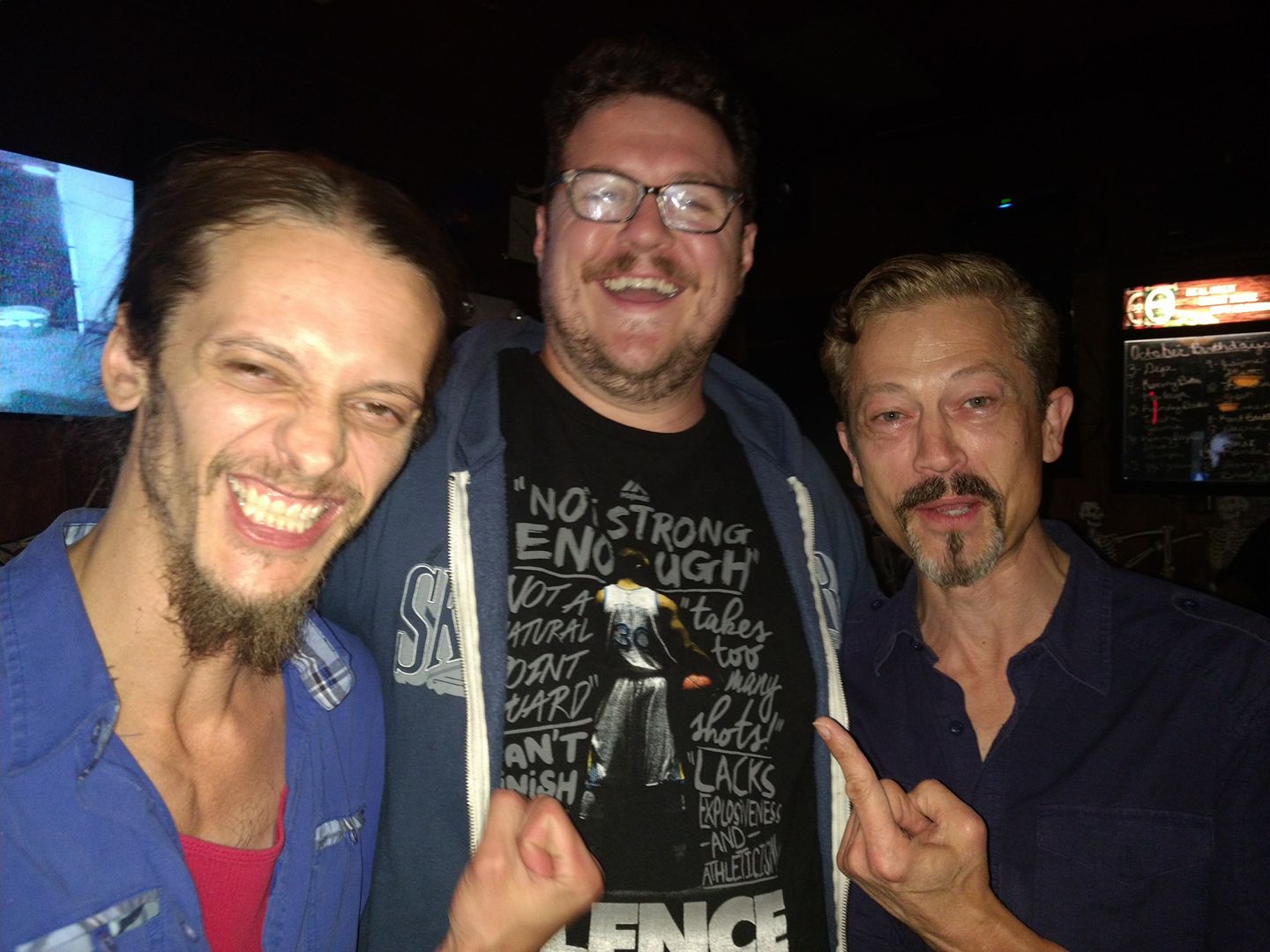
2017-11-18. Adam Zastrow (Facebook) - Adam Zastrow, Cameron Britton, and Jack Erdie
Adam Zastrow, Cameron Britton, and Jack Erdie (Adam Zastrow / Facebook)

Read the other Absolute Music Chat conversations with the Cast of Mindhunter (more to come):

In Conversation with Mindhunter’s Jonathan Groff
An Interview with Mindhunter’s Holt McCallany
In Conversation with Cotter Smith. Actor (Mindhunter, The Americans)
Jack Erdie: Actor (MindhunterBanshee) & writer
In Conversation With Alex Morf: Actor (MindhunterDaredevil)
In Conversation With Tobias Segal: Actor (MindhunterSneaky Pete)
Spotlight Interview. Chris Dettone: Actor (Mindhunter), Stuntman/Coordinator

In Conversation with Mindhunter’s Cotter Smith

Davina Baynes
September 14, 2018
Absolute Music Chat

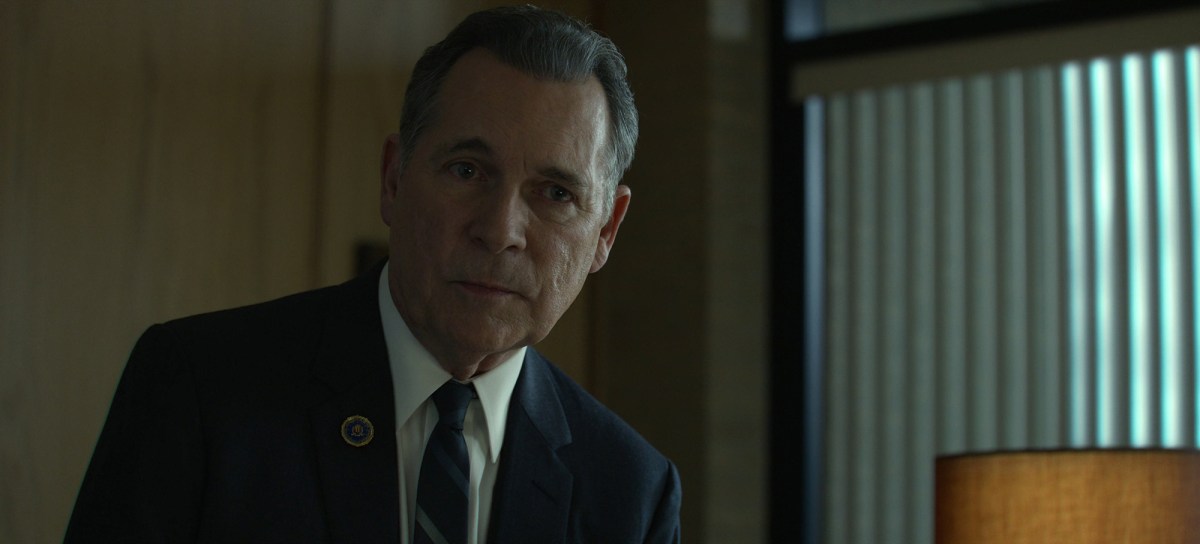
Cotter Smith was born in Washington DC, the son of a federal judge. He is an actor with a stage and screen presence spanning over 40 years. Most recently he can be seen on our screens as Unit Chief Shepard in David Fincher’s Mindhunter and as the Deputy Attorney General in The Americans but his on-screen career stretches back to Hill Street Blues (1982) and Blood Feud (1983) when he played Robert F. Kennedy. I was recently very privileged to talk with Cotter about his life and career in both acting and teaching, working with David Fincher and Steven Spielberg and much, much more.

[…]

DB: When you actually got the call from David Fincher: how did that come about?

CS: It was a call from my agent, initially, saying, ‘There’s interest. Would you be willing to read for David Fincher, for this series?’ And I said, ‘Absolutely. I’m a big fan.’ They said, ‘Well, first of all, let me tell you, it’s a guaranteed ten episodes already ordered for Netflix, but it would be a required eight months, in Pittsburgh.’ So I called my wife and said, ‘So here’s the deal, there’s this possibility, it’s not an offer but they’re interested in me, to come in and audition and we would be eight months in Pittsburgh.’ And she said, ‘Cotter, go get it, and get me out of here!’ (Laughs)

DB: She was packing her bags!

CS: She was so keen to leave New York. (Both laugh) So I auditioned. Then the wonderful casting agent, Julie Schubert, who was so helpful to me – she is really lovely, a casting agent who really loves actors and believes in the whole process – we had prepared, I think it was, these three or four scenes (I never met David) it was all on tape, that third one went off to him. She said, ‘You know, he takes a very long time to cast, so just relax. Everything he does he takes a very, very long time: from casting to shooting.’ So I said, ‘Okay,’ and a week later my agent called and said, ‘You got the job.’ I said, ‘What?’, ‘Yeah, you got the job!’ That was the first time it was ‘real’. I didn’t honestly believe I was going to get the job: I knew many, many, many people would want this job and, as an actor, you do these auditions and you don’t actually put much on them because it’s too heartbreaking if you don’t get them. I was so thrilled, and stunned. It’s exactly the kind of work that I want to do, with a kind of director that I want to work with: I love serious drama; he’s a master, master filmmaker. Just knowing he had cast me made me realize: ‘He knows what he’s doing, so this is going to be good.’ And it was. He’s so fun to work with. He’s challenging. He’s tough. He’s fast. He’s improvisational and you’ve really got to come with your A-game – which I like. He does endless takes: 30, 40, 50. My record was 64 takes on one scene. Endless shooting: we took eight months to shoot ten episodes. That’s a long time! Usually a director will be given eight days for an episode so that’ll be three months – he had eight months. But he’s David Fincher.

DB: And aiming as near to perfection as you can get?

CS: He’s a perfectionist. When you look at his work the proof is in the pudding.

DB: What about marks for the camerawork, are they really rigid?

CS: They’re necessarily rigid, at times, but it changes. On the spot, he will change things, change intention, change everything. It was fun.

DB: You don’t have to smoke as a character, do you?

CS: Thank God no! They sent out notices and said: ‘It’s the ‘70s, so who among you would be willing to smoke?’ And I just wrote back and said: ‘Absolutely no.’ And poor Holt McCallany said ‘yes’ and I think he regrets it to this day. This season he’s going to taper off. He really smokes.

Read the full interview

Read the other Absolute Music Chat conversations with the Cast of Mindhunter (more to come):

In Conversation with Mindhunter’s Jonathan Groff
An Interview with Mindhunter’s Holt McCallany
Jack Erdie: Actor (MindhunterBanshee) & writer
In Conversation With Alex Morf: Actor (MindhunterDaredevil)
In Conversation With Tobias Segal: Actor (MindhunterSneaky Pete)
Spotlight Interview. Chris Dettone: Actor (Mindhunter), Stuntman/Coordinator

Cameron Britton on Channeling the “Intellectual Creepiness” of a Real-Life Serial Killer

Patrick Harbron / Netflix

The Netflix series’ breakout guest actor reveals what it took to pull off his haunting performance as the murderous Ed Kemper (hint: lots and lots of director David Fincher’s infamous takes).

Daniel Fienberg
August 17, 2018
The Hollywood Reporter

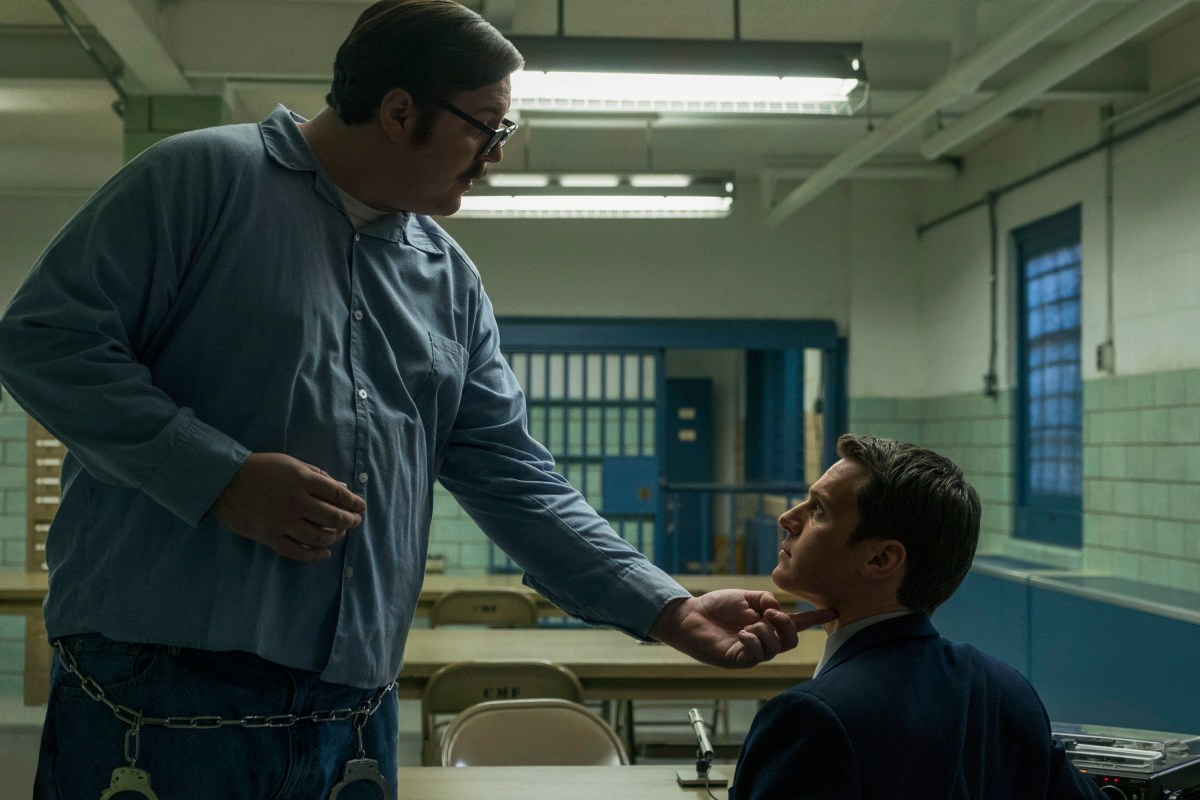
You can’t always pinpoint exactly the moment when a show makes its big qualitative leap, but with Netflix‘s Mindhunter, it’s easy. Holden Ford (Jonathan Groff), an FBI agent experiencing frustration at his colleagues’ antiquated approach to murder investigation, goes to prison to visit a notorious killer and comes face-to-face with Ed Kemper (Cameron Britton).

Towering in stature, soft-spoken, viewing the world inquisitively through thick glasses, Kemper is intellectually vicious, yet unfailingly polite. By the end of one 10-minute conversation, we understand completely why Holden has been pulled into Kemper’s gravity and how this giant has instantly transformed his worldview.

It’s a show-changing character and a career-changing performance for Britton, making his first major TV role and earning his first career Emmy nomination. The actor talked with The Hollywood Reporter about his approach to the real-life killer, director David Fincher‘s notoriously exacting standards and more.

Read the full interview

Meet Your Nominee: Cameron Britton on ‘Mindhunter’s’ Lone Emmy Nomination & Future of The Show

The Hollywood Reporter (YouTube)
August 7, 2018

2018 ‘Mindhunter‘ star and the show’s only Emmy nominee, Cameron Britton, joins THR for Meet Your Nominee!

Cameron Britton (‘Mindhunter’): It was difficult to get into the mind of a killer

Gold Derby (YouTube)
August 6, 2018

Cameron Britton (‘Mindhunter’) chats with Gold Derby editor Daniel Montgomery: It was difficult to get into the mind of a killer, and to get out of it.

Complete Interview Transcript

How Ice Cream and The Beatles Helped Cameron Britton Destroy a Killer

TV Guide (YouTube)
August 15, 2018

Mindhunter’s Cameron Britton tells us how he was able to get into the mind of serial killer Ed Kemper, the toll it took on him, and how he ultimately got him out of his system.

Emmy-Nominee Cameron Britton On Becoming Ed Kemper In ‘Mindhunter’

Mindhunter‘s Cameron Britton talks to Awards Daily about how he became serial killer Ed Kemper, how the role impacted his life, and what his Emmy nomination means to him.

Clarence Moye
August 20, 2018
Awards Daily

Cameron Britton is having a very, very good year.

When Netflix’s Mindhunter premiered last fall, critics and audiences alike approached the dramatic series with respect and awe, thanks to the influence of the great director David Fincher. But everyone, literally everyone, was talking about Cameron Britton. His take on infamous serial killer Edmund Kemper captivated audiences. If you were talking about Mindhunter, then you were talking about Cameron Britton’s brilliant performance.

Here, Cameron talks to Awards Daily about how he wrestled with Edmund Kemper. He dove so deeply into Kemper that it took time to exorcise the role from his system. He also talks about what the role meant for his career and how he prepped for it by running lines with his close friends. It’s a fascinating conversation with an actor clearly on the rise in Hollywood.

Listen to the full interview

Names of All New Serial Killers Coming to Mindhunter Season 2!

Sarah Carey
August 2, 2018
ThatHashtagShow.com

Season 1 brought us many familiar serial killer faces with the likes of Monte Ralph Rissell, Jerry Brudos (The Shoe Fetish Slayer), Richard Speck, Darrell Gene Devier, Edmund Kemper (the Co-Ed Killer), as well the murders of the Dennis Rader (the BTK Killer) subtly over-arch the season.

Mindhunter season 2 is setting itself up to be a doozy. Not only will we see interviews with more serial killers and the BTK Killer storyline continue to develop, but the show will also be taking on the Atlanta Child Murders; a string of 28 mostly child murders, that shook Atlanta from 1979-1981. These murders also spawned the “It’s 10 o’clock, do you know where your child is?” commercials.

Currently, the Mindhunters casting team is searching for actors to play the victims family members, Venus Taylor, Annie Rogers, D.A. Slaton, Mayor Maynard Jackson, Commissioner Lee Brown, and Deputy Police Chief Morris Redding.

Casting is also looking for Wayne Williams, a serial killer convicted of killing 2 men, but prosecutors believe he was responsible for murdered children because when Williams went to prison the child murders stopped.

Rumors and theories have been flying around the interwebs speculating which serial killers the show could possibly bring into season 2 for interviews or more. Well, we here at That Hashtag Show have that EXCLUSIVE information just for you!

Read the full article with the list

In Conversation with Mindhunter’s Jonathan Groff

Paula Courtney
July 29, 2018
Absolute Music Chat

Actor Jonathan Groff has already enjoyed a huge degree of respect and recognition for his previous roles in theatre (Hamilton and Spring Awakening), on TV (Looking and Glee) and also in film with the hugely successful Frozen. Lately however he has found a whole new audience, who are singing his praises for his outstanding performance as Holden Ford on Mindhunter. In my extended interview with Jonathan we talk about his early years, his first roles, working on Mindhunter, his thoughts on David Fincher’s directing technique and so much more.

[…]

PC: Tell me more about working with David Fincher. Obviously his name is on everyone’s lips nowadays and we know his style of directing – we all know he may shoot the same scene 70 times – but there’s much more to him than that. I always like to get information first hand, if I can. What kind of impression has he made on you?

JG: Well it’s just the whole idea, for me at least, [of] having complete faith and trust in someone and knowing that they are going to take you somewhere that is interesting, and working with him is different to working with anyone else. One of the reasons being that you go, ‘Okay, I will just do whatever you want,’ because I so believe in him and in his brain and in his vision, and his point of view, because he’s just proven time and time and time and time again – with all of his films and projects – that he’s one of the most interesting, creative people working today. So just to get the opportunity to be a part of his world is exciting and especially with this TV experience, particularly right now, in this very moment, it’s the first time he’s ever come back to a television show. He directed the first two episodes of House of Cards and he was Creative and Executive Producer on that show, but he never came back to direct it again. He very much had his hand in every episode on the first season of Mindhunter. We weren’t sure if he would come back and do the second season or not, because he has never done that before and now here he is, and we are working on the second season. Just to get that extended time with him and to see how… I guess the thing that is so inspirational about him is that he doesn’t sit back and go, ‘Okay, we know what we are doing. We know who these characters are. Let’s just continue comfortably down the road we were going down before.’

We came back to the second season and obviously some of the sets are the same, and we actually basically know who the characters are, where before we didn’t know what the show was yet – we were still making it. So there’s that element, which is great. But it’s still the same process as it was the first time around: it’s not laid back and comfortable; it’s not pressing the same notes; he’s really trying to move things forward and make things different, evolve it and grow it and change it as it goes along – that’s just an artist that is always searching, always changing and always asking the questions. He’s just always trying to get to a better version of the truth: in the writing, then in the shooting and in the editing, he just never stops working and never stops asking questions, and it’s just so rare to find someone like that.

Read the full interview

Read the other Absolute Music Chat conversations with the Cast of Mindhunter (more to come):

An Interview with Mindhunter’s Holt McCallany
Jack Erdie: Actor (Mindhunter, Banshee) & Writer
In Conversation With Alex Morf: Actor (Mindhunter, Daredevil)
In Conversation With Tobias Segal: Actor (Mindhunter, Sneaky Pete)
Spotlight Interview. Chris Dettone: Actor (Mindhunter), Stuntman/Coordinator

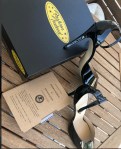
MINDHUNTER. S01: Emmy FYC DVD Set

Click for a full screen view:

DVD Set kindly donated by Joe Frady

2018-05. Mindhunter FYC DVD Set 000b

‘Mindhunter’: The David Fincher Look is All About Power and Control

Merrick Morton / Netflix

Fincher was very particular about conveying control and dominance through lighting and production design in his Netflix FBI crime drama.

Bill Desowitz
June 18, 2018
IndieWire

David Fincher brilliantly pushes his cinematic formalism in “Mindhunter,” Netflix’s 10-episode crime drama that explores the FBI’s fledgling Behavioral Science Unit in Quantico, Virginia, in the late ’70s. But, for the dialogue-heavy creepy interrogations with imprisoned serial killers by agents Holden Ford (Jonathan Groff) and Bill Tench (Holt McCallany), executive producer/co-director Fincher manages to visually convey constant power shifts.
“It’s about control and dominance and also about misogyny,” Fincher said. “People forget that this goes all the way back to Jack the Ripper.”

And Fincher’s collaboration with production designer Steve Arnold (“House of Cards”) and gaffer-turned cinematographer Erik Messerschmidt (“Mad Men”) was crucial to the authentic ’70s look and dynamic blocking of the interrogation scenes, particularly those involving Ed Kemper (Cameron Britton), who captivates and mentors Holden.

Read the full profile