Steven Benedict: Zodiac

Steven Benedict
October 28, 2018

When a film breaks with tradition, it is often rejected by audiences. Which may be why Zodiac was not recognised as the groundbreaking masterpiece it is.

Listen to the podcast

More David Fincher related podcasts and video essays by Steven Benedict:

Se7en, Credits, Fight Club, The Social Network, House of Cards, Gone Girl, Other mentions

ALL CAPS, all the time: why are so many shows bombarding us with giant fonts?

From Killing Eve to Mindhunter and Narcos, there’s a trend in TV for colossal captions. It’s a confident style choice that nods to noir fiction.

Jack Seale
October 26, 2018
The Guardian

David Fincher’s work is full of fine details. You could conceivably watch his entire back catalogue without realising, for instance, that the camera tends to mimic the actors’ smallest movements. But during the editing process for his 2017 TV drama Mindhunter, he had an idea that nobody can have failed to notice. “I’m not sure which episode we were watching,” editor Tyler Nelson told the Art of the Cut website, “but he said, ‘Let’s fill the frame with a big location card.’”

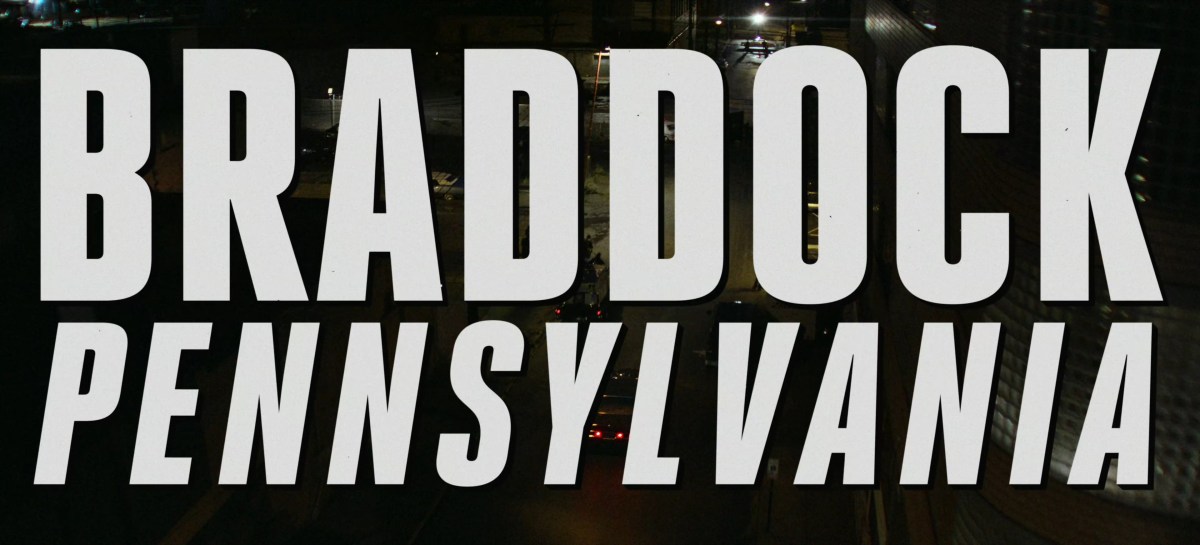
Whenever Jonathan Groff’s behavioural psychologist Holden Ford visits a new town, we’re told which one it is in massive letters that take up the whole screen: welcome to (eg) BOSTON, MASSACHUSETTS, and to a trend in TV and film for enormous location titles.

Mindhunter fans are split between loving its colossal captions and hating their overbearing presence, but they’ve caught on.

Fincher hasn’t just upped the stakes by making his location titles fill the entire screen, rather than merely a large proportion of it: the size of the text, combined with the chosen typeface (it’s Heroic Condensed, font fans) recalls tabloid newspaper headlines of the 1970s, when the show is set. It also evokes pulp/noir detective films from a few decades earlier.

Read the full article

In Conversation with Jennifer Haley, Writer (Mindhunter)

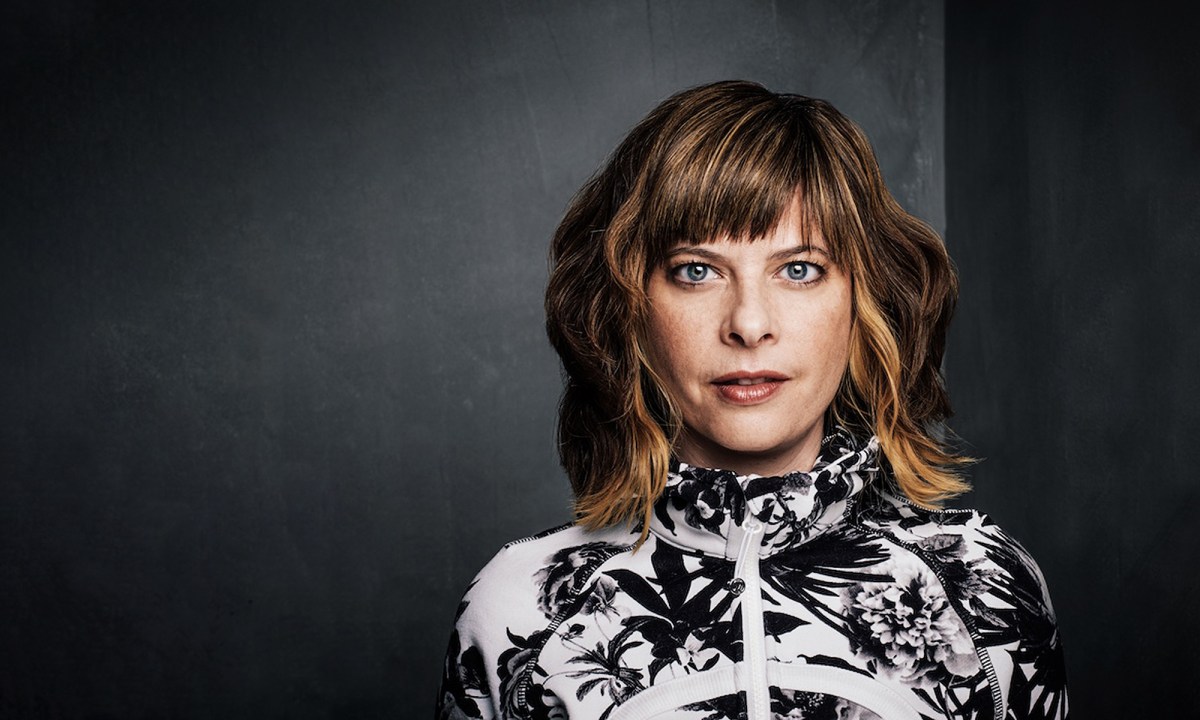
Jennifer Haley (Peter Konerko)

Pop Culture Confidential. Episode 90: Jennifer Haley – Writer, Mindhunter

2018. Pop Culture Confidential (Podcast)

Christina Jeurling Birro
November 29, 2017
Pop Culture Confidential

Thrilling, dark, gripping and tense are just some of the words used to describe the hit Netflix series Mindhunter. Playwright Jennifer Haley is a writer and co-producer on the series, and joins us this week to share her experience getting into the minds of FBI agents and serial killers.

Mindhunter is a meticulously paced crime drama based on the writings of the pioneering serial killer profiler John E Douglas. Along with his team, they interviewed the likes of Ted Bundy, Charles Manson, and Ed Kemper during the seventies and eighties which resulted in a redefining of criminal profiling forever.

The series has wonderful casting, beautiful cinematography, and some of the creepiest conversations you will hear this year. Lead by David Fincher who is Executive Producer and director of four of the episodes, the writers on Mindhunter have delivered an amazing array of characters.

Listen to the podcast

L.A. Not So Confidential. S1 Ep. 4: Writing Minds – Jennifer Haley Interview

2018. L.A. Not So Confidential (Podcast).jpg

Dr. Scott & Dr. Shiloh
December 3, 2017
L.A. Not So Confidential

Forensic psychologists, Dr. Scott and Dr. Shiloh, interview award-winning playwright Jennifer Haley who was a writer on Season 1 of Netflix‘s 2017 hit Mindhunter. In their first interview episode, they dive into the excitement and obstacles of bringing John Douglas‘ book to life and dish on several story arcs that leave us not-so-patiently waiting for Season 2! What’s with Wendy and that cat? Will there be a musical episode to see Jonathon Groff in action?

Listen to the podcast

L.A. Not So Confidential: S1 Ep. 3: Hunting Minds

Dr. Shiloh and Dr. Scott dissect their new favorite show, Netflix’s Mindhunter, and compare their own first experiences interviewing and working with the criminal population.

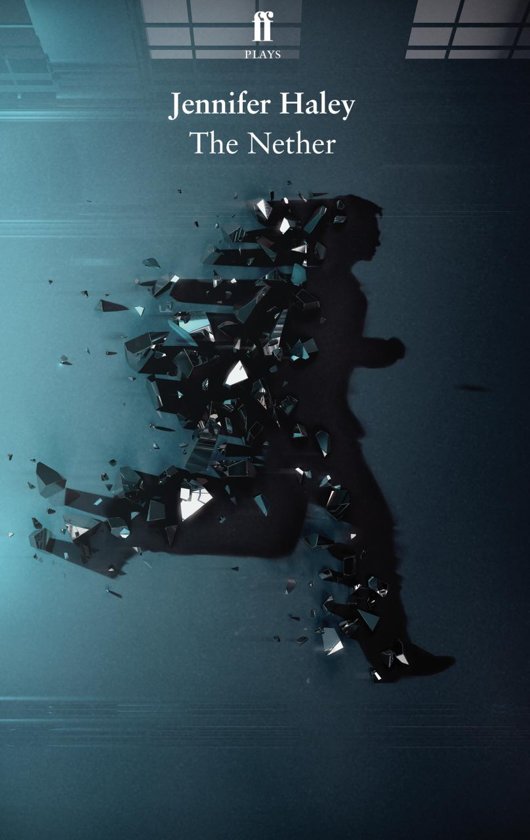
2012. Jennifer Haley - The NetherJennifer Haley .com

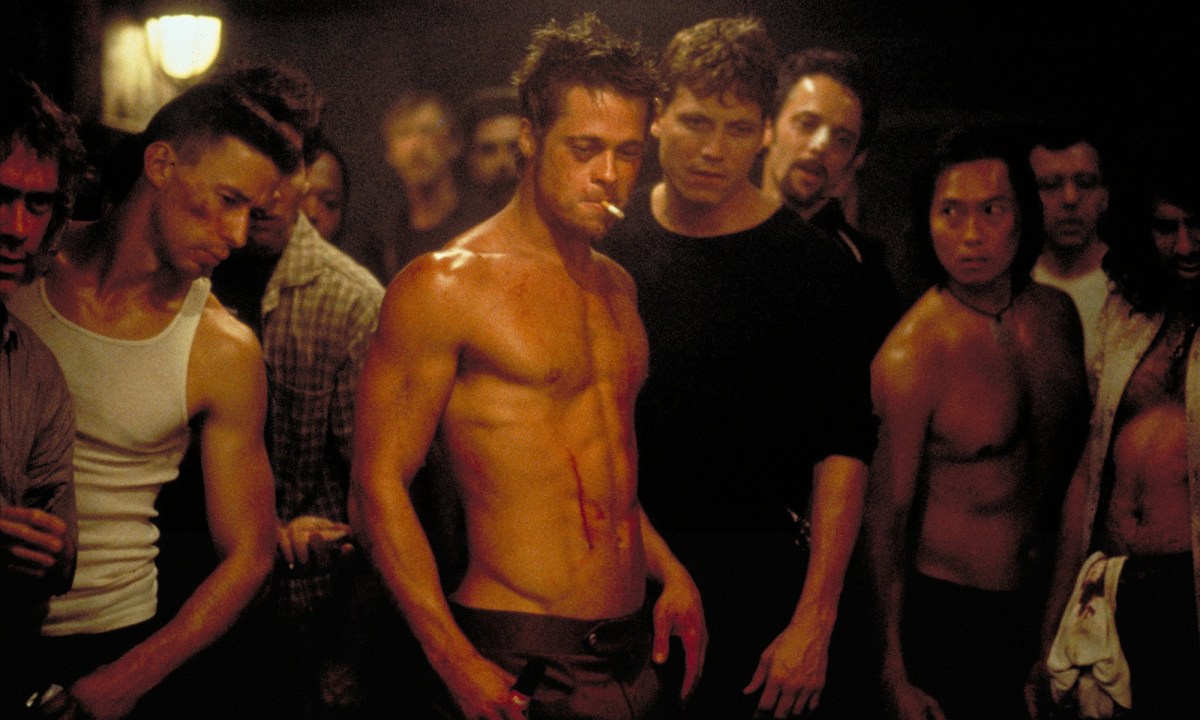
The Difficult History of David Fincher’s Fight Club

Merrick Morton

David Fincher’s Fight Club is now considered a classic, but it had trouble getting off the ground.

Ryan Lambie
October 15, 2018
Den of Geek! (US)

What the hell is Fight Club anyway? A horror film about a Jekyll-and-Hyde office worker who becomes a terrorist? A drama about late 20th century masculinity in crisis? A warped romance about a man trying to change himself into someone as interesting as the woman he loves? A thriller about a decadent generation goading itself into extremism?

Executives at 20th Century Fox certainly struggled with Fight Club. Unsure how to market a film in which young men beat one another to a pulp and stole bags of fat from the bins of liposuction clinics, the studio placed ads for it during World Wrestling Federation matches. Meanwhile, Fight Club‘s posters, dreamed up by an expensive design firm, featured a pink bar of soap with the title incised into its waxy surface. It certainly looked unlike anything else stuck up outside a movie theater in 1999, even if most people walking past wouldn’t have had a clue as to what it meant – the soap being a wry reference to a key scene in the film.

The bewildering split between TV ads during wrestling matches, which emphasized the film’s bruising bare-knuckle scenes, and the artistic posters with their pink bars of soap, were an indication, perhaps, of Fight Club‘s slippery quality. How do you get people to go and see a film like this, Brad Pitt or no Brad Pitt?

In retrospect, it’s little surprise that some of Fox’s higher-ups didn’t like Fight Club – least of all one Rupert Murdoch, the media mogul whose News Corporation had acquired Fox in 1985. Here, after all, was a film which openly attacked corporations, advertisers and the entire capitalist system.

One of Fight Club‘s producers, Art Linson, recalled the first screening of the film for Fox’s executives; they were, he said, “flopping around like acid-crazed carp wondering how such a thing could even have happened.”

There was one executive who did believe in Fight Club: Fox’s studio head Bill Mechanic. In the mid-90s, Chuck Palahniuk‘s Fight Club novel was doing the rounds at Fox before it had even been published, and was originally envisioned as a low-budget movie to be made through the studio’s Fox 2000 division, which specialized in independent film. Along with production executives Laura Ziskin and Kevin McCormick, Mechanic was an enthusiastic champion of Fight Club‘s spiky humor and unpredictable plot.

Read the full article

In Conversation with Actor Adam Zastrow

Paula Courtney
October 14, 2018
Absolute Music Chat

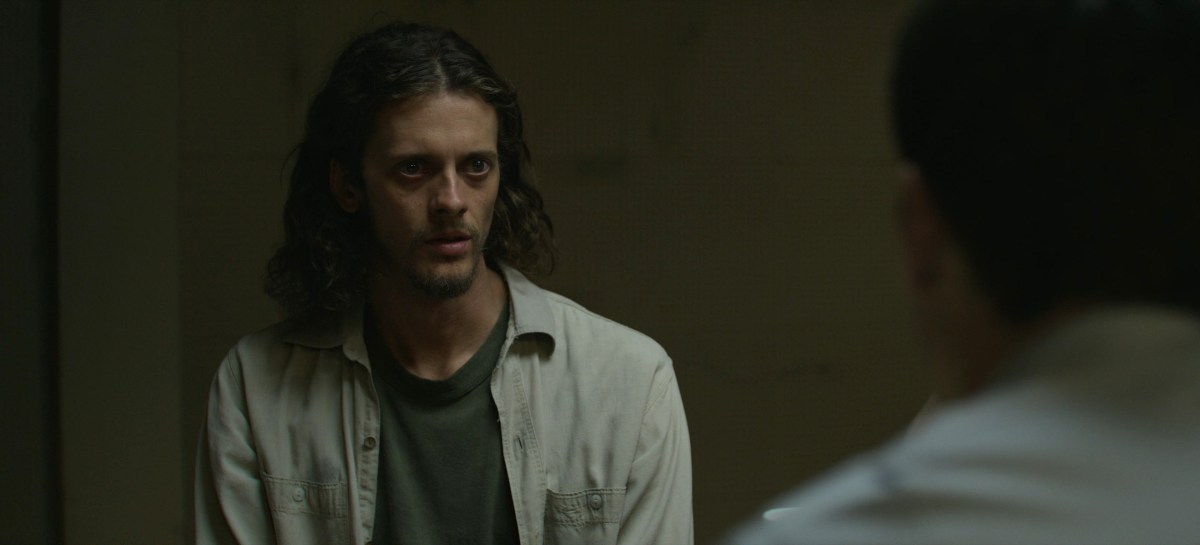
I had the pleasure – and a lot of fun – interviewing actor, Adam Zastrow, who recently excited us playing the role of Darrell Gene Devier on Netflix’s hit show Mindhunter. During our conversation we talked about Adam realising his dream of becoming an actor, the shows he was part of leading up to Mindhunter and what it means when David Fincher says, ‘Take 50!’

[…]

PC: Getting back to David Fincher. I was reading the other day someone saying the reason he shoots a scene 70 times is because he suffers from OCD but that isn’t the case at all is it. He wants to get the best possible scene, it’s not because he has perfectionist issues.

AZ: I hate when people use the word ‘perfectionist’ when they are talking about David and the amount of takes he does because I was told about that – I don’t want to say ‘warned’ but I was ‘told’. Before going out I was told be prepared for long days Fincher likes to do a lot of takes. After having done it – those 70 takes fly by, it does not feel like you are doing 70. Fincher himself addressed this in an interview – he really hit it right on the head – it’s not that he’s a perfectionist (that’s not the issue at all) it has more to do with your pre-production staff. The guys will build sets for months, the art guys, you have all these people spending the better portion of a year just to make sure a scene looks the way it’s supposed to or to just make sure the drinking fountain in the back works even if nobody is using it. All these people put all this time and effort into this production and how dare you rush through shooting! It’s almost like a slap in the face to all these people. It’s like, ‘Okay, you spent 6 months building this scene and we’re going to come in and just shoot three takes in 12 minutes, now we are going to walk away and ask you to tear the damn thing down.’ No. No. No. I think it’s as much trying to find the best performance as it is taking the time to finding the best performance. You owe it those people not to rush through anything. When I heard that I thought, ‘Oh my God! That makes so much sense.’

PC: It’s like when you spend hours making dinner and someone wolfs it down in like 5 minutes.

AZ: Yeah exactly, exactly. I 100 per cent agree that you find stuff on take 70 that you did not even think about. As someone who’s never experienced that kind of dedication to the shoot, you get to take twenty or thirty and you’re like, ‘Okay. I rehearsed this for months. We rehearsed this together for a week. We’ve gone through this thirty times, there’s nothing else for me here to find. I’ve giving you everything that there is.’ Also from take 30-45 they are all the same, they are kind of all blah, because at that point you’re either over-thinking or under-thinking your character and you really feel like there is nothing else to give. And then, right around that point, there’s a weird moment that happens where you just stop thinking about it at all: you’re no longer under- or over-thinking it, you are just doing it because you are just going through the motions. And you’re like, ‘Okay, let’s just do this because I have to,’ and then this beautiful, beautiful thing happens where, all of a sudden, as soon as you stop thinking about it, all of this shit comes out of you that you never even knew was there! I think that’s what he’s going for. He does it enough times to where you are so used to it that you are not thinking about it, and that’s where the best stuff comes from. If you film a scene where you come home from work, you throw your keys on the table, you take your jacket off and you put it on the hook, you take your shoes off and you walk into the kitchen and you do whatever it is you do. If you were to film that scene, every single one of those moves is going to seem so cold and so calculated because it’s written in the script and you know what you are supposed to do and it’s fine, and most of the audience are not going to notice how calculated it looks – but a good audience will – and that’s what separates great shows from okay shows, and amazing shows from really decent shows, amazing directors from half-decent ones – it’s that kind of thing that half won’t notice but the ones that do are going to call you out.

PC: That’s a great explanation actually.

AZ: It’s one thing to say you shoot a scene 70 times and it looks more ‘natural’ but what does that mean? That exactly what ‘natural’ means. You are putting your keys on the hook because you’ve done it a million times, it’s like getting all of your emotion to that point where you forgot that you did it, like when you leave the house and get half-way down the road and have to turn back because you don’t remember if you have locked the door. It’s that exact thing. Fincher wants your emotions and everything on camera to be stone natural – that you are not even 100 percent sure that you did it.

That’s what I think makes all of his stuff so, so good. I’ve heard so many people talk about the 70 takes thing and how it’s unnecessary, but after doing it I’m almost wishing everyone would do it: because everything looks so much better, and so natural and yeah, you might not see it, but those that do, it makes that difference.

Read the full interview
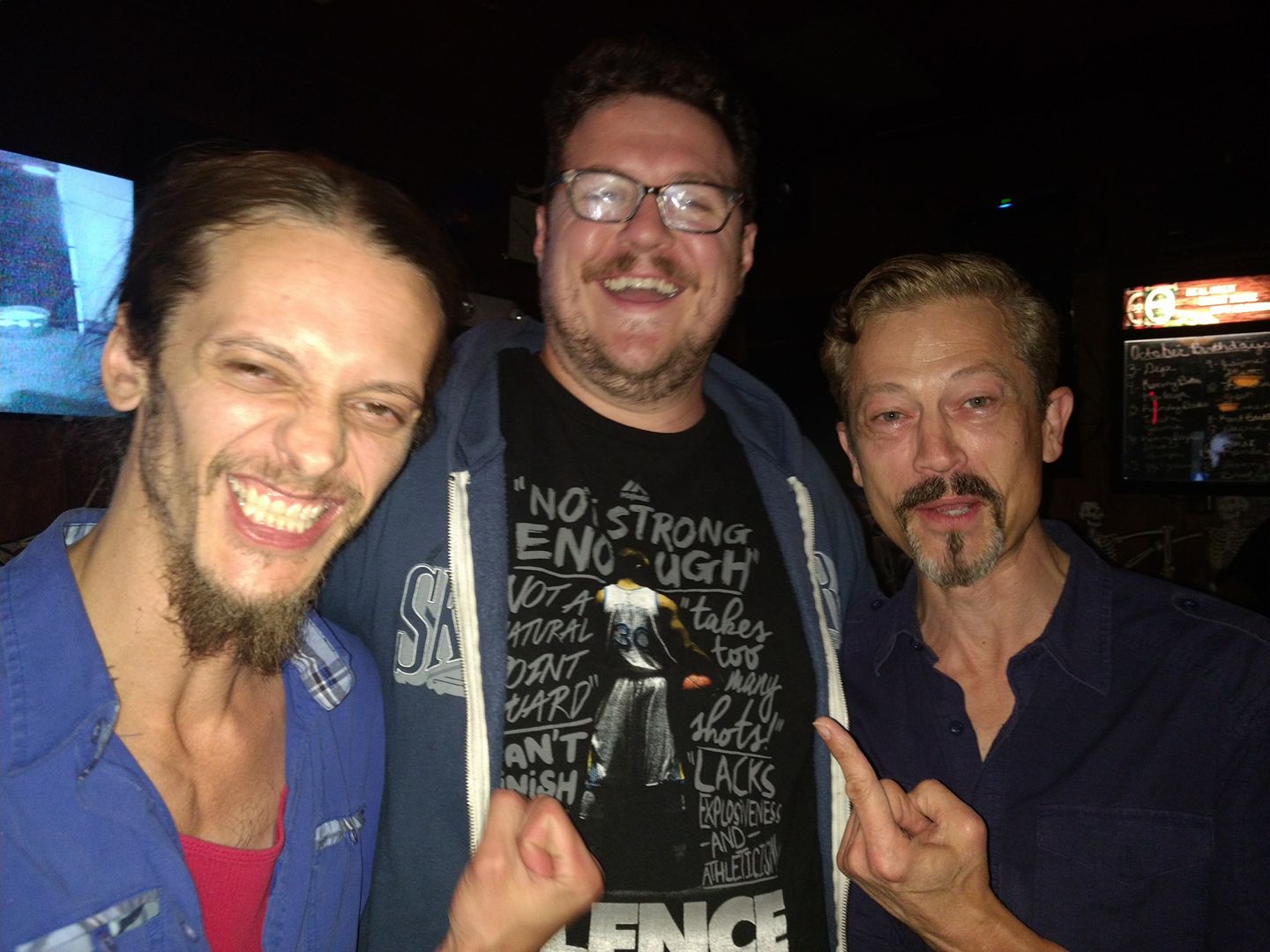
2017-11-18. Adam Zastrow (Facebook) - Adam Zastrow, Cameron Britton, and Jack Erdie
Adam Zastrow, Cameron Britton, and Jack Erdie (Adam Zastrow / Facebook)

Read the other Absolute Music Chat conversations with the Cast of Mindhunter (more to come):

In Conversation with Mindhunter’s Jonathan Groff
An Interview with Mindhunter’s Holt McCallany
In Conversation with Cotter Smith. Actor (Mindhunter, The Americans)
Jack Erdie: Actor (MindhunterBanshee) & writer
In Conversation With Alex Morf: Actor (MindhunterDaredevil)
In Conversation With Tobias Segal: Actor (MindhunterSneaky Pete)
Spotlight Interview. Chris Dettone: Actor (Mindhunter), Stuntman/Coordinator

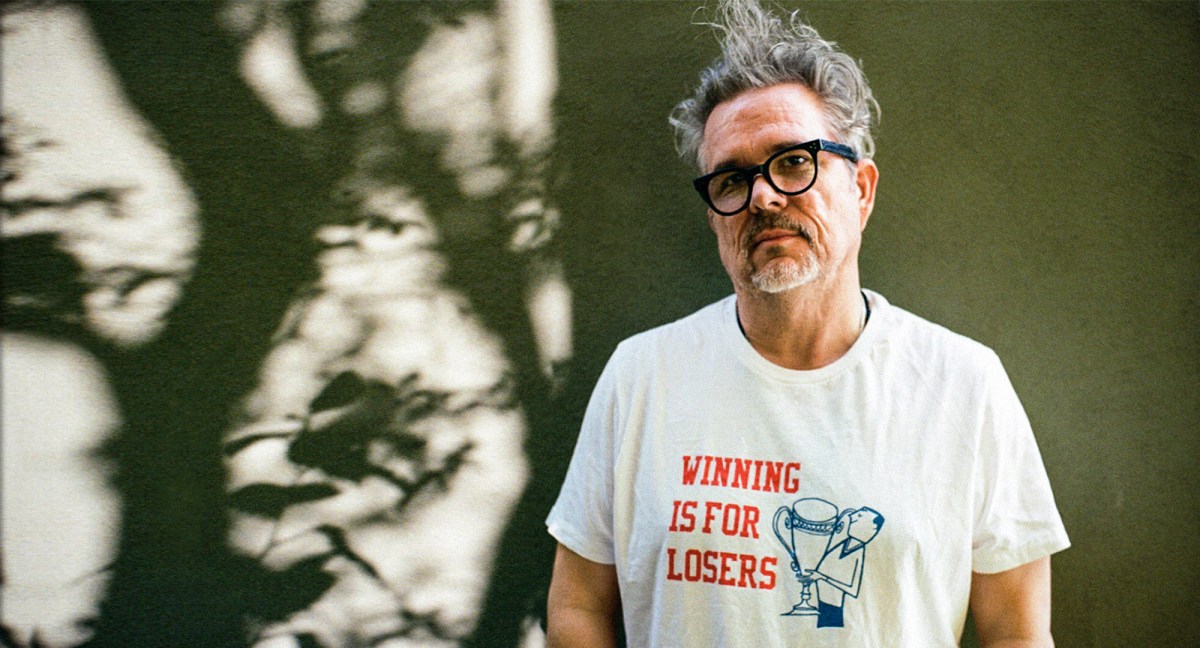
In Conversation with Andrew Kevin Walker

Andrew Kevin Walker (Brad Elterman)

On Story: 610 Andrew Kevin Walker – Se7en

Austin Film Festival (YouTube, vimeo)
June 18, 2016

Screenwriter Andrew Kevin Walker dissects his bleak thriller masterpiece, Se7en and working with director David Fincher to create the cult classic film.

Andrew Kevin Walker Interview

Movies and Stuff (YouTube)
Published on 22 Oct 2015

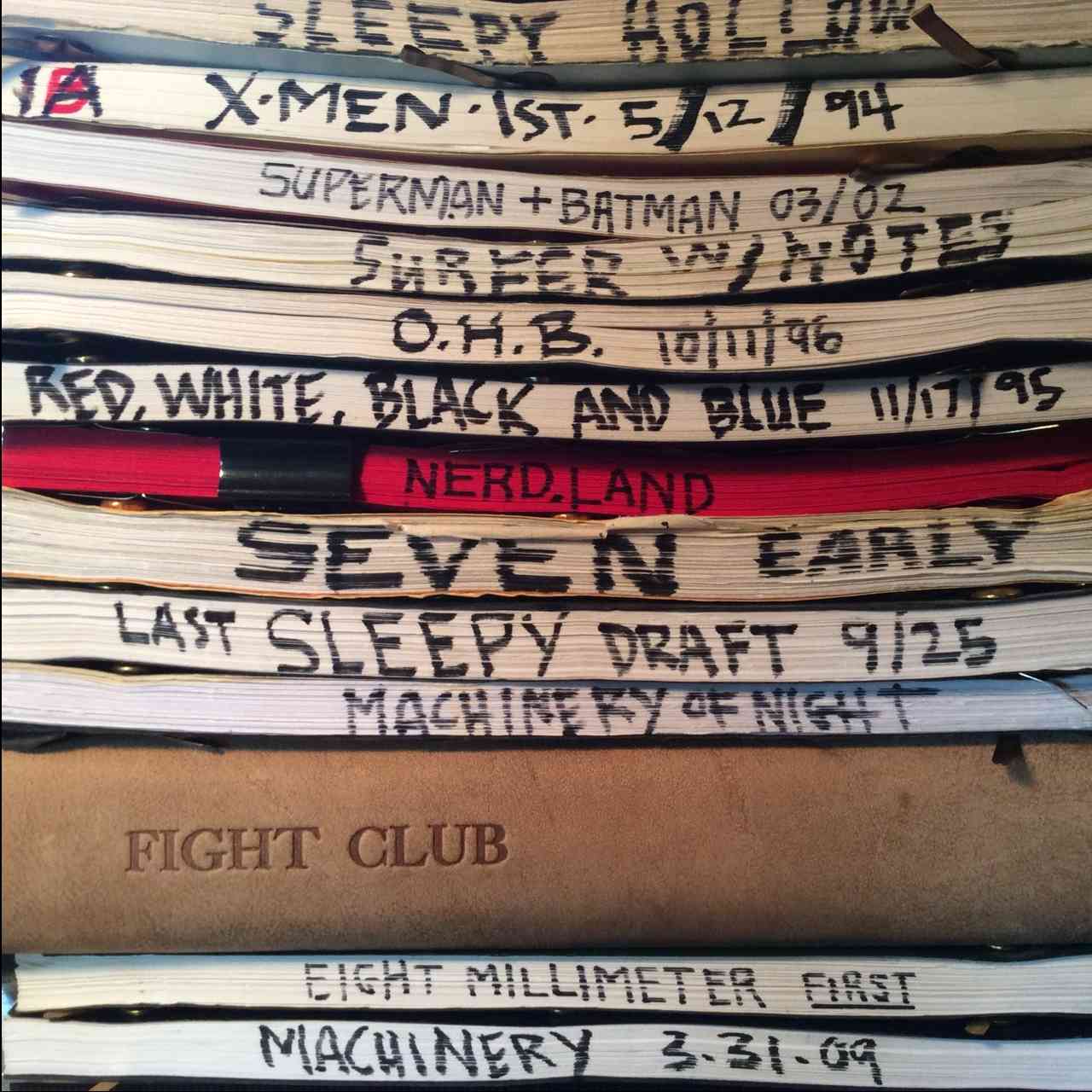
Dan and Abe interview the writer of Se7en Andrew Kevin Walker. Andrew touches on the history of Se7en, meeting Fincher, and his Silver Surfer script.

Episode 117: Ben from Fright-Rags, and Andrew Kevin Walker!

2018-10-12. Shock Waves (Libsyn) - Episode 117. Ben from Fright-Rags, and Andrew Kevin Walker!

Shock Waves
October 12, 2018

Join your hosts Ryan Turek and Rob Galluzzo as they welcome to the show Ben Scrivens, the owner/creator of horror T-shirt company Fright-Rags! Reviewed! TALES FROM THE HOOD 2, AMERICAN HORROR STORY: APOCALYPSE. The gang is also joined by special guest Andrew Kevin Walker, the screenwriter of David Fincher‘s SE7EN, SLEEPY HOLLOW, BRAINSCAN, 8MM, THE WOLFMAN, and much, much more. We get candid about the screenwriting process, the projects that never came to be, his working relationship with Fincher, and how he wrote SE7EN while working at Tower Records! All this and more!

Listen to the podcast

1992 Andrew Kevin Walker - Se7en. First Draft (andrewkevinwalker.com)Andrew Kevin Walker .com